


Lighting Pole
What Is Lighting Pole
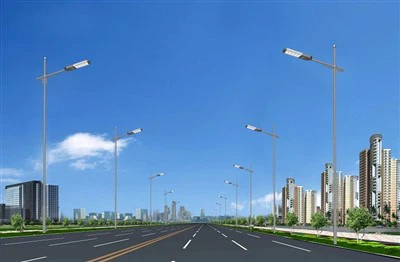
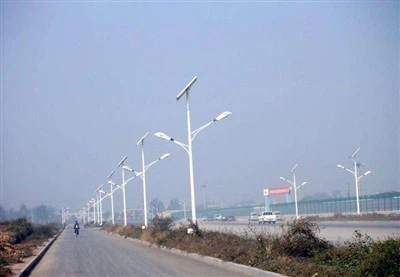
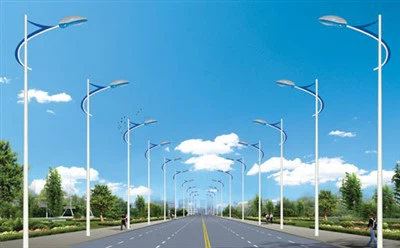
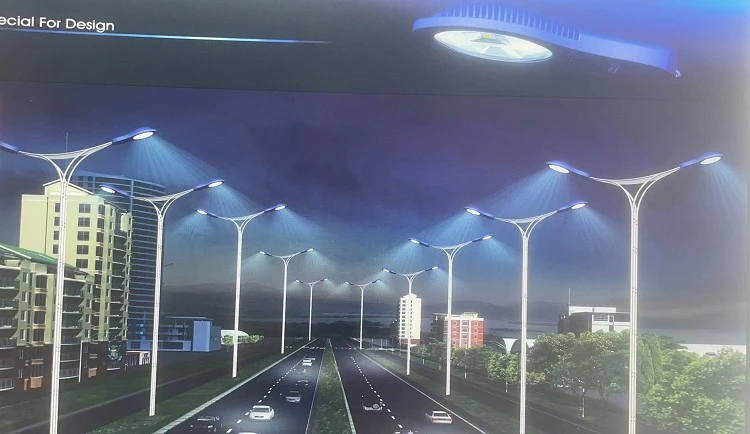
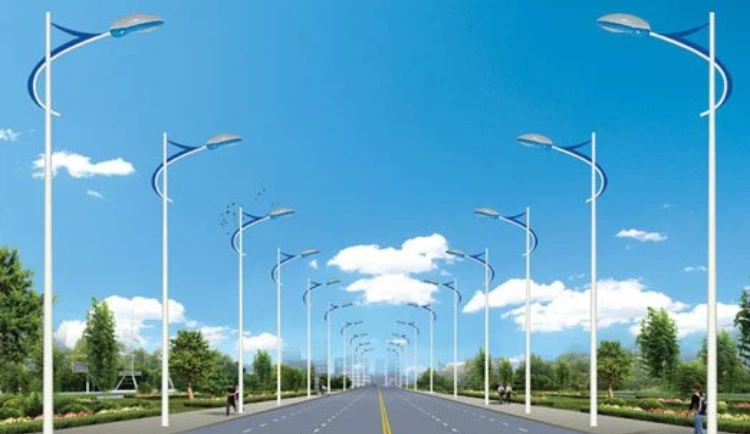
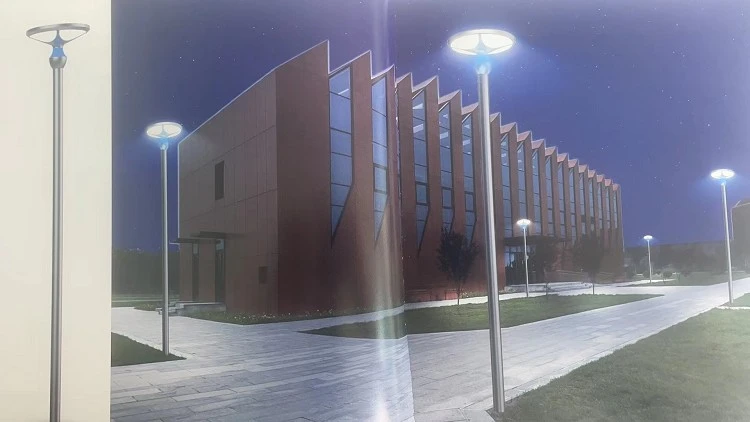
Light poles or lampposts are "engineered" structures, designed to support single or multiple luminaires. They may also be used to support signs, pennants, banners, flower pots and other decorative items. This guide covers the selection of light poles. The primary function is to resist the physical forces of luminaire weight, ice and wind loads that light poles may encounter during their expected design life. Along with the foundation system, the primary force a pole must withstand is from wind. Because of the variety of pole shapes and heights as well as the size and quantity of luminaires to be supported, including other items that may be attached to the pole, an engineering analysis must be done to ensure the customer will receive a pole adequate for the task.
Advantages of Lighting Pole
Cost-effective
Since most high mast lighting poles use LED lights, it increases their longevity, and the process also ensures that the generated voltage degrades slowly and gradually. This helps extend the LED light’ lifespan, making them cost and energy efficient. High mast lightings use lamps or halogens of high wattage, which reduces electricity bills.
Lighting performance
High lighting levels offer maximum coverage. This is one of the crucial benefits of high mast light lighting poles, as they do not emit heat or infrared light. They also consume less electricity, thus making them energy efficient. The multi-point design of the high ly distributes light in different directions.
Durability
LEDs in high mast lighting pole lighting make them an excellent investment for corporate solutions, mostly because the cost and time are saved due to the reduced need for maintenance.
Controlled heat emission
High mast lighting pole lights generate a lot of heat from the floodlights. Also, they are the most potent lighting appliance that contributes to the temperature rising around the location where it is installed. But using LED lights restricts heat emission due to active thermal management.






Why Choose Us
Our factory
We have our own factory covering an area of over 15,000 square meters, with a building area of over 12,000 square meters. We have an independent office building, with spacious and bright offices, and fully-equipped facilities.
Company certificate
We hold a Class 2 professional contracting certificate for urban and road lighting engineering, a construction safety production license, and ISO9001:2015 international quality system certification.
Professional team
We are a professional team with employees who have years of experience in the lighting industry. We are also a dedicated team, focusing on the production and installation of lighting fixtures. Under the leadership of our chairman and general manager, we are becoming increasingly specialized in our field.
Our service
Since our establishment, we have been committed to researching, developing, and promoting high-quality green lighting products, providing customers with comprehensive lighting solutions and professional services.
The Different Type of Lighting Pole
Round conical poles
There are several types of lighting poles, but round conical poles are the most common. Residential areas, parks, and pedestrian walkways can use them because of their simple and elegant design. These poles come in various heights and be made of different materials are available, including steel, aluminum, and fiberglass.
Octagonal poles
Octagonal poles are similar in design to round conical poles, but with an eight-sided base. They are often used in areas where wind loads are high, such as near coasts or in areas with high wind speeds. Octagonal poles are also more stable than round conical poles and are better able to withstand heavy winds and extreme weather conditions. They are made from the same materials as round conical poles and are also easy to install and maintain.
Straight mast arms
Straight mast arms are poles that are designed to support a single light fixture, making them ideal for illuminating intersections and traffic signals. They are typically made from steel or aluminum and are available in different lengths, depending on the height required. Straight mast arms are also easy to install and maintain and are a popular choice for local governments and municipalities.
Tapered square poles
Tapered square poles are poles that have a square cross-section and taper towards the top. They are often used in areas where aesthetics are a concern, such as in historic districts or downtown areas. Tapered square poles are available in different heights and are made from materials such as steel, aluminum, or fiberglass. They are also easy to install, maintain, and replace and are a popular choice for local governments and municipalities.
Floodlight poles
Floodlight poles are poles that are designed to support floodlights, which are lights used to illuminate large outdoor areas. Floodlight poles are typically tall and sturdy, and are made from materials such as steel or aluminum. They are available in different heights and are often used to illuminate sports fields, parking lots, and other large outdoor areas. Floodlight poles are also easy to install and maintain and are a popular choice for local governments and municipalities.
Cam-type poles
Cam-type poles are poles that are designed to support traffic signals and other types of lights. These designs are tailor made in a way that allows them to be adjusted to different heights, making them ideal for use in areas where the height of the pole needs to be changed frequently. Cam-type poles are often made from materials such as steel or aluminum that make them easy to install and maintain.
Decorative poles
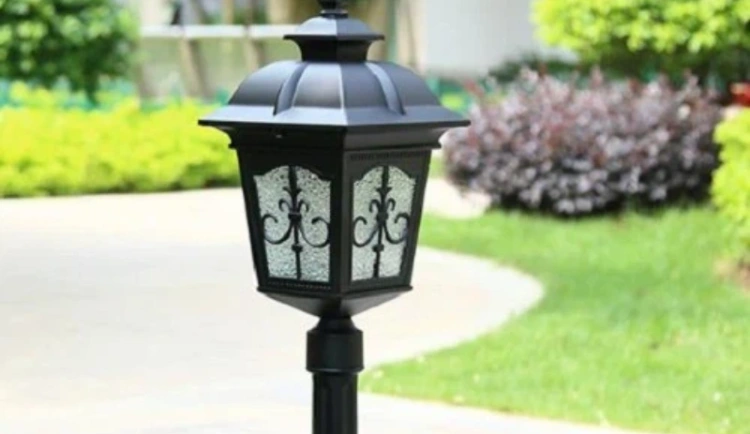
Decorative poles are poles that are designed to add an aesthetic touch to a lighting system. They are often used in areas where aesthetics are the main purpose, such as in downtown areas, historic districts, or parks. These poles are available in a variety of styles and materials, including cast iron, aluminum, and fiberglass depending on the environment that will be in. They are also easy to install, maintain, and replace and are a popular choice for local governments and municipalities.
Factors Affecting Lighting Pole Selection
Mounting height (MH)
Usually determined by the lighting survey, which will also include the number of poles, luminaire model number(s) and quantity of luminaires per pole.
Luminaire selection
The type of luminaire model may be determined by the lighting survey or recommended by a lighting consultant. Note its EPA, weight, mounting method (side mount, top mount, floodlight brackets, etc.) and the distance from the centerline of the pole to the luminaire center.
Brackets and arms: Brackets, when used, also have weight and EPA ratings and should be listed.
Wind speed
It is critical that the proper wind speed be determined for the job site. Should the job site fall near or between two wind zones, the higher value should be used. A 50-year mean recurrence interval wind map is recommended. In special wind regions, local authorities should be consulted for the correct wind speed data. Other wind maps have been produced by the ASCE, and it is important to know this in order to apply the correct wind force formulas and ensure that correct pole size can be selected.
Terrain and special wind areas
Flat and open terrain may cause wind-induced pole vibrations that require special attention. In "special wind zones" such as mountain passes, where hills and local topography may create a funnel effect or other anomalies, it is advisable to contact local authorities for wind speed values.
Pole material
The designer or owner may select the pole material. Common materials include steel, aluminum and fiberglass, with steel being the most common. Poles can also be made from concrete, cast-iron and wood.
Pole shape and style
The most common shapes are round and square in cross-section. Poles may also be tapered. Some customers may request special designs such as ornamental and "nostalgia" period poles.
Height above grade
This is the elevation distance from grade to pole base (e.g. locations on top of parking decks or on a bridge). The height above grade is important, since wind velocity increases with elevation. When poles are mounted above grade, please contact the factory for assistance.
Environment
Consideration should be given to job sites near coastal areas (e.g. due to saltwater corrosion). Sewage treatment plants may also have corrosive conditions and may require special finishes and coatings for poles.
Finish and color
Generally, the powder coat finishes used today are excellent for most environments due to their durability and color retention. Bronze is the most common, but many colors are available.
Auxiliary lighting
Aside from general purpose area lighting, poles may also frequently be used for special task lighting applications such as building or sign illumination. These lights may be mounted at various locations on the pole. The EPA, quantity and MH of these lights should be recorded.
How Do You Install a Lighting Pole
For anchor based light poles
Check if the city or municipality you are installing in has code or requirements and follow as needed for the foundation design. How deep you want to make the concrete foundation depends on soil and wind conditions and how much weight you have on the pole (i.E., light fixtures, attachments, etc.). After digging the hole, use the paper template (which comes with poles as a template) to drill holes in a piece of plywood. Ensure that the holes match the paper template to avoid alignment problems between the anchor bolts and the pole base plate. There should be four holes for anchor bolts and a larger hole (pvc pipe) in the center for the conduit. Support the plywood on top of the sonotube (concrete form) column, ensuring it is level. Insert anchor bolts into the plywood with a single nut and washer (allowing them to dangle), ensuring they do not fall into the concrete form. Place rebar throughout the form and a pvc center and side pipe (for wires) into the foundation; pull wires through pvc center pipe. Slowly begin pouring concrete, making sure to vibrate, minimizing air bubbles. Curing time will depend on ambient temperature and humidity as well as foundation size. Place the pole on a set of sawhorses; install lights and optional accessories, this prevents going up on a ladder later to install. Once the concrete has cured, the pole (lights and accessories attached) is ready to be lifted into position and bolted to the anchor bolts in the concrete base. Ensure there is a nut and washer at the bottom and top of the base plate. Once again, the bottom ones are for leveling the pole as needed and the top ones for locking the pole in place (torque to specified spec). Bring the conduit wires up from the center and pull them out of the handhole. Your electrician can make the final connections to the conduit and install the handhole cover plate. Install the base cover in the bottom to cover over the anchor bolts and base plate.
For direct burial or embedded poles
Auger a hole that is at least 6 inches larger than the diameter of the pole. (consult a foundation engineer for the proper design of the foundation, as explained above.) lay the pole on the ground with the base next to the hole. Pull the conduit thru the center and out the handhole (tape in place to prevent it from falling back in). Stand the pole in the hole, ensuring the wire/conduit is not pinched. Start backfilling with proper material, tamping down as you go. In sandy soil conditions, use aggregate or concrete to backfill. In rocky soil, you can use the soil that was removed during excavation. Backfill slowly; this will allow you to level the pole, making minor adjustments as needed to ensure it is plumb. Once the pole is installed, your electrician can make the final connections to the conduit and install the handhole cover plate when finished.
What Are the Types of Materials for Light Poles
Wood
Wood is the cheapest option but also the least attractive. It is solid and heavy, which means it requires more labor and equipment to install. It also requires external wiring, which must be weatherproofed according to the electrical code. Wood is susceptible to rotting, cracking, warping, and insect damage, which can affect its stability and safety.
Fiberglass
Fiberglass is versatile and lightweight. It can be molded into various shapes and colors to suit different preferences and applications. It is more water-resistant than wood or steel, but not as strong or durable. It can also be more expensive than other options.
Aluminum
Aluminum is lightweight and rust-resistant. It has a hollow structure that allows internal wiring, which is more aesthetically pleasing and protective. It can also be painted or coated with different finishes to enhance its appearance and resistance to corrosion. However, aluminum is usually more expensive than steel and can be less stable in windy conditions.
Steel
Steel is the most popular choice for outdoor light poles. It is strong, sturdy, and economical. It also has a hollow structure that allows internal wiring. It can withstand high winds and harsh weather without bending or breaking. However, steel is prone to rusting if not properly coated or maintained. Metal coatings are available that will improve the resistance of steel and aluminum poles to corrosion.
Lighting Pole Maintenance: A Step-By-Step Guide
Light pole base
For anchor base poles, ensure that all anchor bolt nuts are in place and firmly tightened. This confirms that the base plate is properly secured to its foundation. Otherwise, the pole will begin to rock on its foundation during windy conditions. Loose anchor bolt nuts will also allow dust and moisture to collect under the base plate. It’ s best to check and re-torque the anchor bolt nuts at least once a year, if necessary. You’ ll need to know the recommended minimum torque rating for the bolts that you’ re using so that they are not secured too loosely or too tightly. An anchor bolt projection chart can be used to find out what these values are. For anchor base poles, inspect the concrete foundation for potential problems. Typical issues with concrete foundations include cracks, spalls (fragmenting), and leaning foundations. If the base of the pole has been grouted (not recommended), you’ ll need to have a weep hole so that water can drain to prevent it from building up. If it is allowed to build up, rust will be an issue.
Mid-section
A visual inspection of the exterior pole shaft should be performed for areas of rust or corrosion. Look for dents or hints that the structural integrity has been compromised. Ultrasonic testing can be performed for areas that can’ t be visually inspected. Ultrasonic thickness gauges can be used to help determine if there has been any corrosion in the interior of the pole and to measure the remaining pole wall thickness. For steel poles that are not galvanized, condensation can occur in the interior of the pole and cause rust and corrosion. This is an issue even for tightly sealed polls due to day/night temperature changes. Ensure that any pole surface scratches are repainted/recoated so that the pole continues to be protected.
Top/light fixtures
Inspect arms and brackets for metal fatigue. This can be caused by vibration, corrosion, temperature changes, or constant stress. Cracks or ruptures are signs of metal fatigue. Appendages can unintentionally increase the wind loads on the pole. These include banners, signs, and security cameras. They should not be added to a pole unless the pole was designed to handle the additional wind load. Top cap (if no tenon), ensure that it’ s tight and present.
Cleaning
Regular cleaning of a light pole is important because it helps to prevent corrosion and to maintain its appearance. If the pole is powder coated, mineral spirits can safely be used to clean off dirt, grease, and graffiti. If the pole is made of galvanized steel or has a natural aluminum finish (not anodized), use 600 grit sandpaper. Power washing is also recommended. If the pole is made of anodized aluminum, use 600 (or more) grit sandpaper.
Our company was established in 1997, with over 40 employees. We are located in the heart of the Hangjiahu Plain in northern Zhejiang Province, in the Tongxiang Development Zone (Gaoqiao Street) Industrial Park at the center of the "Yangtze River Delta" economic zone, encompassing an area of over 15,000 square meters, with a building area of over 12,000 square meters. Our registered capital is 30.18 million RMB, with a total investment of over 20 million RMB. We are a modern enterprise specializing in the design, development, manufacturing, sales, installation, and service of outdoor environmental lighting fixtures. Since our establishment, we have been committed to researching, developing, and promoting high-quality green lighting products, providing customers with comprehensive lighting solutions and professional services.

Our Certificate


