


Garden Lamp/Light
What Is Garden Lamp/Light
Garden lamp/light refers to the use of artificial light sources to illuminate the exterior spaces of buildings, parks, streets, and other outdoor areas. Garden lamp/light serves multiple purposes, including providing safety and security, enhancing the aesthetics of the environment, and extending the usable time of outdoor spaces into the evening and nighttime hours. Common types of garden lamp/light include floodlights, spotlights, wall-mounted fixtures, post-mounted fixtures, and pathway lighting. These lights may use a variety of light sources, such as incandescent, fluorescent, led, and solar-powered bulbs. In addition to its functional benefits, garden lamp/light can also enhance the aesthetics of a property, making it more attractive and inviting. However, it is important to use garden lamp/light responsibly, taking into consideration the impact on neighboring properties and minimizing light pollution.
Advantages of Garden Lamp/Light
Improved safety
Pathway and hardscape lighting increase visibility along pathways and steps.
Turn your yard into a retreat
Garden lamp/light instantly makes your yard look more composed and relaxed, much like a hotel or retreat.
Maximizing the features you' re proud of
If you have a favorite feature in your backyard such as a seating area, a pool, a collection of plants, or a curving path, adding garden lamp/light can add a major wow factor and put your treasures on display.
Creating a new aesthetic
You' ll find a wide variety of lights in all shapes and styles. Outdoor lighting comes with straight rods or curved ones, and multiple color options including brass and copper. Mixing and matching finishes can create a whole new look for your backyard.


Why Choose Us
Our factory
We have our own factory covering an area of over 15,000 square meters, with a building area of over 12,000 square meters. We have an independent office building, with spacious and bright offices, and fully-equipped facilities.
Company certificate
We hold a Class 2 professional contracting certificate for urban and road lighting engineering, a construction safety production license, and ISO9001:2015 international quality system certification.
Professional team
We are a professional team with employees who have years of experience in the lighting industry. We are also a dedicated team, focusing on the production and installation of lighting fixtures. Under the leadership of our chairman and general manager, we are becoming increasingly specialized in our field.
Our service
Since our establishment, we have been committed to researching, developing, and promoting high-quality green lighting products, providing customers with comprehensive lighting solutions and professional services.
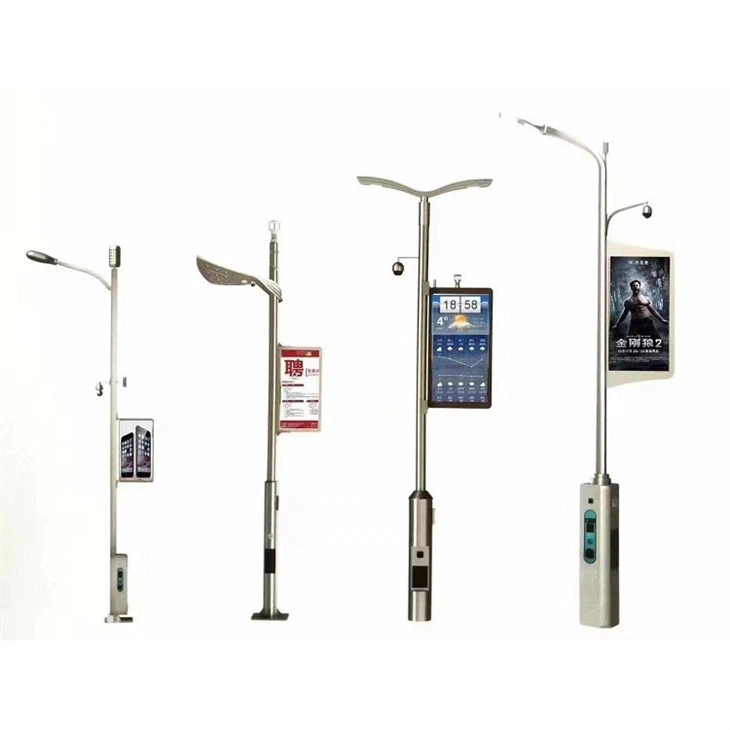
Different Types of Garden Lamp/Light
Path & spread lights
These lights are designed to illuminate pathways and stairs so that you can walk safely and comfortably at night. They usually aren’ t a huge source of light—just enough to brighten up what otherwise would be a dim path with unknown obstacles. But they also add a warm and inviting atmosphere to your backyard.
Down lights
Down lights are lights that are placed above the area you want to highlight. As the name implies, they shine down from above. These lights can be used to brighten an entire area of your yard rather than a specific feature. These lights will improve visibility of your overall yard, but can also be used in more specific ways, such as moonlighting. Moonlighting is the term for placing a light in a tree some that some of the branches and leaves appear as shadows. This emulates natural moonlight and adds dimension to your yard.
Deck & patio lights
Deck & patio lights are like down lights except they are made for these active social areas. In these spaces, the lights themselves stand out more, and you should consider the size, style, and finish as an extension of the color palette of your deck or patio. These lights provide ample lighting in sitting and social areas and should be used liberally in order to light up the faces of your friends and family.
Up lights
Up lights, often used as accent lights, are perfect if you have a feature of your home or yard that you want to highlight such as the walls of your house, rocks, or trees. Just as the name implies, they shine light up to one of your yard’ s focal points. Shining light from below adds a dramatic and enchanting effect to whatever it’ s being shined on.
Hardscape lights
A hardscape refers to the ‘hard’ features of your backyard such as walls, pavers, stairways, rocks, water features, fire features and more. Hardscape lighting is made to fit into these spaces and add lighting directly on the object. It can be used to light pathways or specific features such as an outdoor kitchen island.
Wall lights
Wall lights are a more specific type of light that are engineered to light up walls and the areas surrounding them. Installed in the wall, these lights add a designer feel to walkways and spaces because of the special fit in the wall.
Water lights
Water lights are a type of specialty light that’ s fully sealed so it can be placed in wet areas or even underwater. These lights show off water features and perform much like up lights in that they accent points of focus.
Material for Garden Lamp/Light
Bronze is an alloy that primarily contains copper, tin, and nickel. Its introduction over 5,000 years ago revolutionized metalwork and launched the bronze age. By adding tin to copper, workers created a metal that was stronger and impervious to corrosion. Bronze lighting fixtures can withstand large temperature fluctuations and exposure to the elements. In fact, as bronze oxidizes, a protective coating forms that stops the bronze from corroding. The coating produces a distinctive patina appearance that most people find attractive.
Brass is an alloy made by combining copper and zinc. It’ s durable and can withstand fluctuating weather conditions. Garden lamp/light made of brass can deal with hot summer days and freezing winters for years on end without breaking and still look great. With brass fittings, you also get the distinct patina effect noted earlier. Many people think the appearance of brass lighting fixtures actually improves after weathering. Brass is a relatively soft metal as well. You can easily cast, bend, and cut the metal into different shapes, which gives manufacturers the freedom to create intricate designs. That combination of sturdiness, relatively low density, and an attractive finish make it a popular choice with consumers.
Stainless steel is an alloy of iron and chromium. The alloy is corrosion-resistant, which is why it’ s called stainless. You can easily fabricate stainless steel into different designs, but it’ s still durable and tough. The attractive, shiny appearance of stainless steel comes from the reflective properties of the alloy. You ll see indoor stainless steel lighting fixtures used frequently in modern homes. For example, stainless steel lights look great if you polish them regularly. That’ s something you’ ll need to do frequently if you use them outdoors.
The great thing about aluminum is its low cost and low density. It’ s easy to shape, and it’ s cheap. That’ s why companies like coca-cola use aluminum for disposable cans. Unfortunately, aluminum is not a good material for garden lamp/light. The biggest problem with aluminum is that it oxidizes. As aluminum corrodes, the strength of the metal reduces. You start to get cracks and bubbling.
Plastic is a pretty incredible material. You can easily mold plastic into almost any shape. It is also chemically inert. That means it doesn’ t react with other substances, which is why you see bleach and other chemically reactive products stored in plastic containers.
Safety first
Garden lamp/light allows people to extend activities from home to outdoor in the evening. Safety is the primary factor for garden lights display. It is the illumination but not appearance of lighting fixtures that is vital to safety. Sufficient illumination provides clearer visibility and brighter environment for people. Pathway, fence and door are supposed to be installed with lighting fixture as they are critical areas for safety and security. Brighten up the exterior spaces can be a deterrent for burglars. Since garden lights are faced with the challenges of sunlight, rain, or even extreme temperature, resistance (water, corrosion, high temperature) is irreducible. Another factor should be accounted is the electric safety. Wiring and installation are better done by professional workers.
Avoid nuisance lighting
We live in a correlative world where we are connected with other people and natural environment. Wherever the garden lights are set, nuisance lights should be avoid. There is a table about the nuisance lights.As showed from the table, illuminance of garden lights can’ t exceed certain value. Over lighting is not only a waste of money but also the energy. Unshielded lighting fixtures will make the problems even worse. Choosing the shielded lighting fixture with sufficient but not excessive illuminance can solve the problem.
Display lights only in necessary areas
As the saying goes, less is more. Homeowners may display too many lighting fixtures to beautify their garden. However, more lighting fixtures do not mean better visual effect, everything in the garden is lit up like daytime will only result toneless lighting effect. The charming point of nigh garden is the contrast of light and darkness. In consequence, we should only display lighting fixtures in necessary areas. Think about the most attractive areas or the most interesting objects in your garden and then highlight them. Not all the empty places or objects need to be fixed with fixture. For the places are of low or even no activity and irrelevant with security issues, there is no need to install lighting fixture. A well performed garden lamp/light system is capable of maximize lighting effect with minimum lighting fixtures.
Consider perspective from various viewing points
Perspective of garden lamp/light effect is associated with the display of lighting fixtures. When you set the lighting fixtures in an area, consider the possible events and the visual experience of viewers. Take patios as an example, will you have dinner, barbecue or playing sport in this area or just enjoy the sky and star at night? Lighting fixture type and illuminance needs vary from specific activity. Visual experience includes visible scene that viewers see at home, in the garden, and outside the home. Nevertheless from which viewing points, viewers’ visibility cannot be blocked by over-bright illuminance or total darkness. The overall appearance of the garden should be continuously, comfortable and enjoyable.
How Do My Garden Lamp/Light Work
Garden lamp/lights are equipped with a small solar panel, usually located on top of the light fixture. This solar panel is made up of photovoltaic cells, which are responsible for converting sunlight into electricity. When sunlight hits the solar panel, the photovoltaic cells absorb the energy and generate a direct current (dc) electrical charge. The dc electrical charge produced by the solar panel is then sent to a rechargeable battery, typically a nickel-metal hydride (nimh) or lithium-ion (li-ion) battery. The battery stores the energy until it is needed to power the light. This allows the garden lamp/light to continue illuminating even when the sun goes down.
When it gets dark, a light sensor, also known as a photoresistor, detects the absence of light and triggers the garden lamp/light to turn on. The stored energy in the battery is then converted into an alternating current (ac) electrical charge, which powers the light-emitting diode (led) or other light source in the fixture. The led emits light, providing illumination for your garden or outdoor space. During the day, the garden lamp/light continues to charge its battery using the sunlight that falls on the solar panel. The photovoltaic cells in the solar panel convert the sunlight into electricity, which is then stored in the battery for later use. This process repeats every day, ensuring that the garden lamp/light is always ready to provide light at night.
Garden lamp/lights are environmentally friendly for several reasons. First, they rely on renewable energy from the sun, reducing the need for electricity generated from non-renewable sources. Second, they do not produce any greenhouse gas emissions during operation. Lastly, garden lamp/lights have a long lifespan and require minimal maintenance, further reducing their environmental impact.
Parts of Garden Lamp/Light
Wiring
The wiring carries power from your power supply to the bulb so it can produce light. Some cheaper styles of outdoor fixtures use a thin gauge of wiring that can get damaged and corroded easily.
Bulb
Low-voltage LED bulbs are the way to go. They’ re energy efficient, last longer, and have a variety of color temperatures to choose from.
Bulb socket
The socket, or holder, connects the bulb to the rest of the fixture.
Cover/case
This is the most visible part of the fixture. The case around the bulb for both protection and to provide a decorative element. The cover can be made of the materials listed above. Styles and finishes vary greatly. Some spotlights have adjustable covers which allow you to control the spread of light from the bulb.
Supporting element
Walkway lights have a small mounting pole as the supporting element. A chandelier might be hung on a chain. Wall sconces often have an arm that provides extension and support.
Mounting element
Typically, the mounting element is a backplate that is attached securely to the wall or ceiling in order to hold the fixture in place.
Hardware
Hardware attaches the fixture to the mounting element and/or supporting elements. There’ s a lot of variation in the different elements and types of fixtures. Bistro lights, for example, don’ t have a cover or case at all. For a supporting element, they might be attached to the corner of the house or outdoor structure. Or they can be hung from trees with special mounting hardware that won’ t cause damage to the tree. If there are no structures or trees nearby, we cut and install custom support poles so we can create the perfect lighting design for our clients.
Our company was established in 1997, with over 40 employees. We are located in the heart of the Hangjiahu Plain in northern Zhejiang Province, in the Tongxiang Development Zone (Gaoqiao Street) Industrial Park at the center of the "Yangtze River Delta" economic zone, encompassing an area of over 15,000 square meters, with a building area of over 12,000 square meters. Our registered capital is 30.18 million RMB, with a total investment of over 20 million RMB. We are a modern enterprise specializing in the design, development, manufacturing, sales, installation, and service of outdoor environmental lighting fixtures. Since our establishment, we have been committed to researching, developing, and promoting high-quality green lighting products, providing customers with comprehensive lighting solutions and professional services.

Our Certificate


