


Landscape-Lamp
What Is Landscape-Lamp
Landscape-lamp is any outdoor lights intended to enhance the safety, functionality, and aesthetic appeal of the surrounding landscape, pathways, and architectural features. To be effective, landscape lighting needs to apply a mix of spotlights (narrow beams) and floodlights (wide beams). Spotlights provide directed light that accents striking details or lights up specific tasks. Conversely, floodlights provide a wide, even wash of light to banish deep shadows. For example, narrow-beamed downlights can accent the pillars of a waterfront deck while a wide-beamed pathway light illuminates the walkway.
Advantages of Landscape-Lamp
Increases safety by adding lights
Installing outdoor lighting is a great way to improve safety and security for homeowners. By illuminating dark areas or walkways around the property, it makes a home more visible from the street and can act as a deterrent to trespassers or burglars who would normally take advantage of the darkness to hide their activities. Outdoor lights also make it easier for all kinds of activities to happen outdoors, including evening barbeques or neighborhood block parties.
Highlights landscape features
When it comes to outdoor lighting, there are many benefits. Not only does it help to prevent trips and falls in the dark or deter crime, but it also serves a decorative purpose by adding a subtle ambiance for your outdoor area. Lighting your landscaping can show off aspects you appreciate, like flowers, trees, or sculptures that you want to showcase.
Landscape-lamp is low-maintenance
Landscape-lamp is a great way to highlight and add ambiance to your outdoor space without a large amount of effort on your part. When installed correctly, these lights require little maintenance, so you can simply sit back, relax and watch your garden glow.
Landscape-lamp pairs with smart devices
You can control landscape-lamp with timers or even smart devices, so it’ s easy to set up and use. With the use of timers or even smart devices like voice commands, it’ s simple to create unparalleled atmospheres with a few clicks or commands. Whether you’ re having a backyard barbecue, relaxing on the patio, or hosting an outdoor party, landscape-lamp comes in handy and makes it easy to control the mood.


Why Choose Us
Our factory
We have our own factory covering an area of over 15,000 square meters, with a building area of over 12,000 square meters. We have an independent office building, with spacious and bright offices, and fully-equipped facilities.
Company certificate
We hold a Class 2 professional contracting certificate for urban and road lighting engineering, a construction safety production license, and ISO9001:2015 international quality system certification.
Professional team
We are a professional team with employees who have years of experience in the lighting industry. We are also a dedicated team, focusing on the production and installation of lighting fixtures. Under the leadership of our chairman and general manager, we are becoming increasingly specialized in our field.
Our service
Since our establishment, we have been committed to researching, developing, and promoting high-quality green lighting products, providing customers with comprehensive lighting solutions and professional services.
Types Of Outdoor Landscape-Lamp

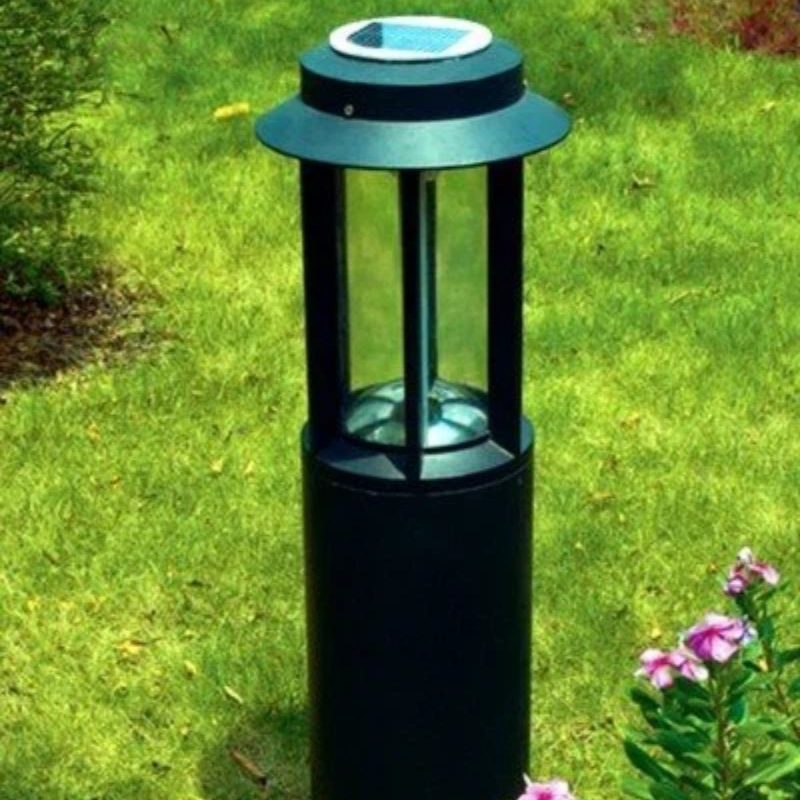
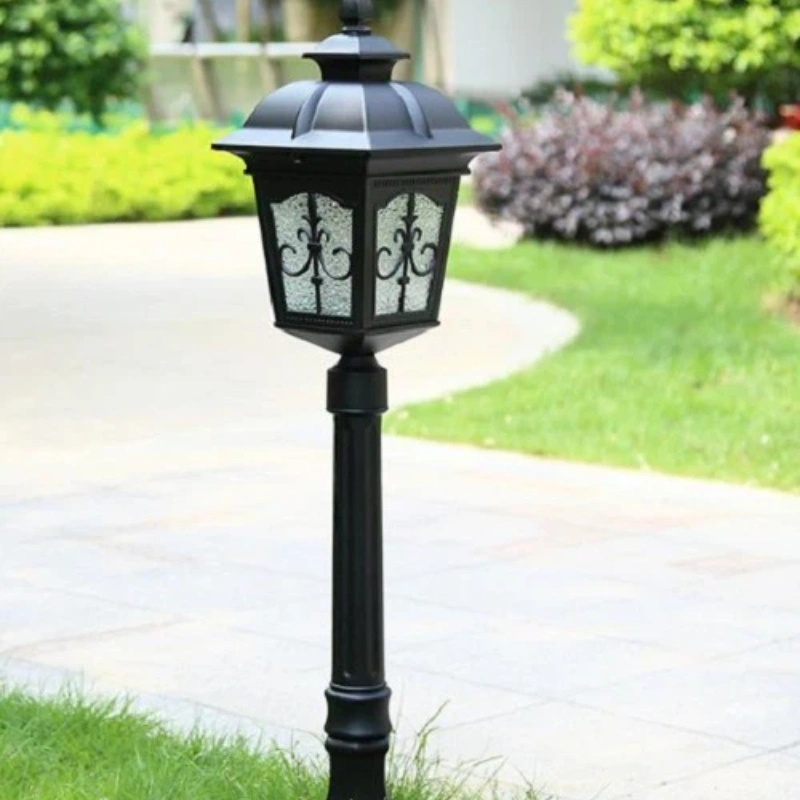
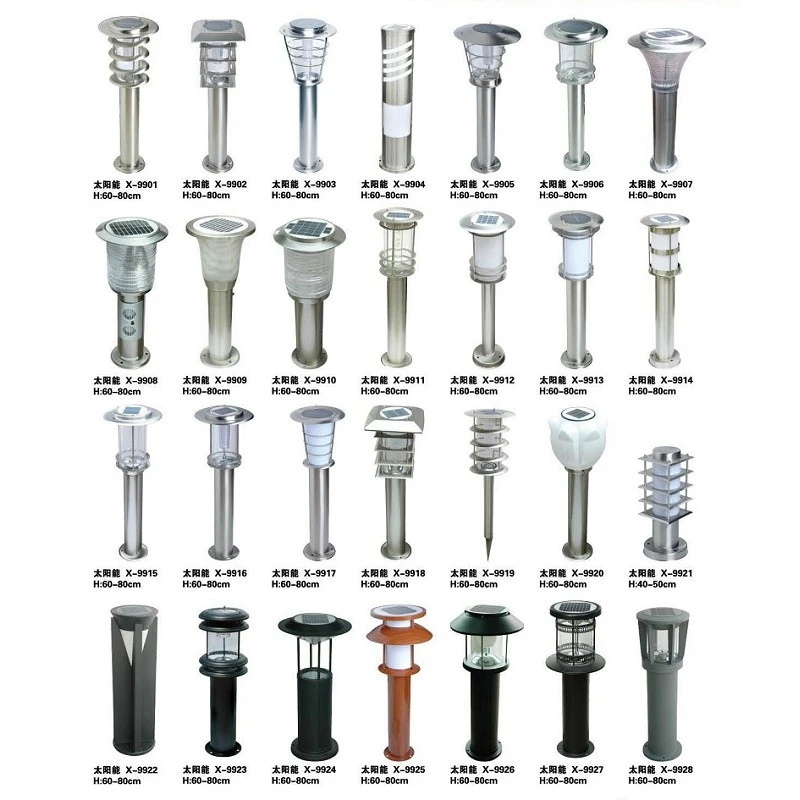
Spotlights
It's a general term because spotlights become a certain type of light when used in a certain way. For example, if you point a spotlight upwards at a wall, it becomes an uplight that creates a wall grazing effect. Spotlights can range in brightness and amount of area they cover. They often illuminate statues, plants, walls, patios, and anything you can point it at. The couple look at each other in silent agreement. Spotlights will make it into their yard, they just need to choose which type(s) like these next few.
Flood lights
Flood lights are the most useful of the types of outdoor landscape lights for brightening large areas. They are spotlights with a high brightness and wide coverage range. They often illuminate driveways and patios from above.
Up/downlights
With a wide range of uses these spotlights are some of the best from a design standpoint. Uplights can bring statues to life, create patterns on walls, and beautify your yard.
Step lights
It's all in the name. Step lights go either on walls beside the stairs or on the front, vertical face. The couple both think back to times they almost (or did) fall/trip/slide/stumble down stairs in the dark. There's no question that these types of outdoor landscape lights will light up their deck stairs.
Garden lights
Placing them in natural areas can show your favorite and most beautiful plants to the world. They’re almost like beautiful mushrooms of light. The light goes downwards and slightly out. This way everyone will see the plants instead of spots from looking at a bulb.
Bollard lights
These are posts with lights right on the top. No light shield/cover. Bollard lights are one of the only types of outdoor landscape lights that can shine in every direction.
String lights
Perfect for stringing through trees and over hardscapes so you can truly enjoy them. They provide a more subtle light for a picturesque scene.
Uplighting
Uplighting is one of the most basic forms of landscape-lamp. It is used to create drama with a taller structure or tree. You can choose to highlight the trunk of larger trees or the underside of the tree’ s canopy on larger or smaller trees.
Silhouetting
This is a fantastic effect for highlighting dramatic shapes you might have hiding in plain daylight. Place the light source behind the item, and light toward where the main vantage point will be, making sure that the light source itself cannot be seen.
Shadowing
This is the reverse technique of silhouetting. Placing the light between the main vantage point and the item being lit, with the light source aimed at the item. This only works when you have a wall or flat surface behind the item being lit to catch the shadows created. But it can create a bit softer, more moody effect.
Moon lighting
This is an especially effective way of using lighting when you have larger trees in your space. The light source is placed high up in the tree aimed down, washing the branches and ground below in light. It creates an impressive effect when used with an open-branched tree.
Grazing
This can be a great option if you have a hardscape-heavy yard. Grazing involves placing the light close to the flat surface and aiming directly up or down the surface to create dramatic light and shadow play. You can graze up or down, but the idea is to take advantage of a texture across a flat plane, so uneven or irregular patterns work best. This can add an upscale touch, as it is often seen in hotel and restaurant design.
Washing
Sometimes a space requires more ambient lighting. To create a well-lit space, try flooding a large wall or hedge in an entertainment area with light, which will ‘wash’ the space with light. Use a wide-beamed light placed between the main vantage point and the surface to cast an even, gentle light over the whole area.
Technical tips
Lumen output for landscape-lamp can be subjective—it depends on how brightly you wish to illuminate any particular element. Look for fixtures with adjustable lumen output, so you can control the brightness yourself. LED landscape-lamp is the new standard, with lower operating costs and longevity that can’ t be beat. Plus, new LED lights have features you will want to take advantage of, like adjustable beam spread.
Considerations in Choosing the Best Landscape-Lamp
Landscape lighting type
There are different types of landscape lighting fixtures to choose from. It includes path lights, spotlights, bollards, in-ground lights, and floodlights. Base the landscape lighting fixture with the desired application. Choose the type of light you expect, whether it is a silhouette, graze, wall wash, or uplight.
Right voltage
There are two kinds of voltage for landscape lights– 12 volts and 120 volts. In order to pick the right voltage, you have to determine the landscape application. Also, you have to consider the installed features.
Complement color palette
Landscape fixtures are available in a variety of colors and finishes. Choose a color palette that will complement the style of your yard. Most yards with an impressive minimalist appearance install white and black finishes. Meanwhile, the most popular choice is the metallic finishes, owners choose from chrome, brushed nickel, aluminum, and titanium).
Underwriter laboratories (UL) certification
Make sure to get a landscape lighting fixture from a manufacturer with UL certification. We all know that landscape lightings are used outdoors. They are prone to damps and wets. Thus, provide safety by ensuring that they are wet-rated and damp-rated. It is best to have confidence even when the lighting fixtures are exposed to water and moisture.
Dark sky compliance
Choose fixtures that are rated with dark-sky compliant. There are areas that require outdoor lightings to comply. Light fixtures with dark-sky compliant features minimize the amount of glow that is emitted through shielding light and glare trespasses. Furthermore, outdoor lighting projects are not complete without decorative schemes. The types of fixtures provide more functionality to landscape lighting.
How Do You Arrange Landscape-Lamp
Lighting layout
When arranging landscape-lamp, it is essential to consider the lighting’ s function and the features you wish to emphasise. Identify the areas of your property that you want to highlight, such as pathways, trees, or architectural features.
Choose the right fixtures
Select fixtures that are appropriate for the areas you want to illuminate. For example, use path lights to illuminate pathways and spotlights to highlight trees or architectural features.
Plan the layout
Sketch out a plan of the lighting layout, considering the size and shape of the area you want to illuminate.
Brightness and colour of the lights
Choose lights that provide the right amount of brightness, tone and colour temperature for the area you want to illuminate.
Testing
Once the lights have been installed, test them at night to ensure they are arranged correctly, providing the desired effect. Adjust the position of the lights as necessary. landscape-lamp can enhance the beauty and functionality of your outdoor spaces, and with proper arrangement, it can create a welcoming and inviting atmosphere. However, do keep in mind that over-lighting can have the opposite effect and make your property look a bit garish and uninviting. When arranging landscape lights, less is often more. Focus on highlighting the key features of your property and creating a balanced and cohesive lighting scheme that complements your landscaping design. Additionally, consider the practical aspects of landscape-lamp, such as the placement of electrical outlets and the need for timers or dimmers to adjust the lighting levels as needed.
Along with clearing freshly fallen snow from your bulbs, you’ ll also want to wipe away debris and other deposits after it snows, just like you would during your routine maintenance, because a blocked light won’ t give off any light. So, make sure to keep your lights clear. If they are high-quality fixtures, they can handle moisture. Snow and ice can cause electrical issues to landscape-lamp systems when they melt. Similar to the question—will lights survive the winter in low-quality fixtures, the seam between the lens cover and trim may not have a proper seal, allowing moisture to enter your fixtures. This is where moisture becomes a problem for your lights, and it can also lower their lifespan overall. landscape-lamps are sensitive to moisture. If the bulb comes into contact with water, it will short. But it’ s not just the LED bulb you should be wary of. Condensation in the outlet increases electrical currents, causing short circuits. Short circuits can cause electrical fires. When you notice any moisture in your fixtures, it needs to be removed right away, as procrastinating this task can cause build-up and corrosion inside the fixture, which greatly shortens not only its lifespan but also the light’ s ability to do its job: shine.
The ground freezing will most likely impact your landscape-lamp wires due to the freeze and thaw, which can often force wires to the surface. You may also find that your mounting stakes have heaved up during this time from the freeze and thaw. Those may need to be pushed back into the ground and straightened. As part of your routine landscaping upkeep, it's always a good idea to inspect for any exposed wires and any damage to those wires. Ideally, you'll have buried any wires that were unearthed during your spring and fall maintenance, so check from time to time during the winter months just in case newly exposed wires are out in the elements.
Tips For Maintain Your Landscape-Lamp
Keep plant growth
Plant growth is an important factor to be considered when creating a lighting plan but, it is often forgotten about when you first get your outdoor lights installed. Plant growth can block the light and the pre-programmed lighting effects of your lighting professionals. Make sure you have a landscape maintenance plan (pruning schedule) to keep your backyard looking flawless year-round, and make sure your maintenance crew is informed of where fixtures and wiring are installed. It is recommended to have a landscape-lamp maintenance following the work of the landscapers.
Remove dirt and debris
It' s straightforward and needs to be done regularly. We can’ t avoid dirt, leaves, debris, insects, from sitting on your fixture lenses. But these things can dramatically reduce the brilliance of your lights. The fixtures need cleaning to eliminate the loss of light output. If the fixture is showing moisture and dirt inside it may be a sign that the gasket is not working and needs a replacement.
Watch out for exposed wires
Over time electrical wires may get exposed due to high traffic areas, animals, rain, and other weather-related conditions. Even though outdoor cables are UV protected, they are required to be buried at all times to avoid damage. It’ s essential to verify if the wire is in good shape to be hidden, in case they’ ve been exposed for a while. A lighting professional will be able to assess the condition of the cable and rebury it for safety.
Look for any signs of damage
During the holiday break, some of you will be heading out of town. Given that the Holidays coincide with the shortest day of the If your fixtures look dim, do not come on, or if there are signs of corrosion, you should contact a lighting professional. Maybe light bulbs need to be replaced, which is a common problem with old systems, not LEDs. Otherwise, you’ ll probably need a full assessment to figure out what the real issues are and what fixtures may be worth keeping or replacing.
Reposition and readjust
Often fixtures get kicked, stepped on, or hit by mowing machines. Dogs, kids, and other people servicing the backyard may not notice them and move them out of position accidentally. The maintenance time is an excellent opportunity to reposition and redirect the light to best aim at the trees that have grown to adjust to the changes in the landscape.
Our company was established in 1997, with over 40 employees. We are located in the heart of the Hangjiahu Plain in northern Zhejiang Province, in the Tongxiang Development Zone (Gaoqiao Street) Industrial Park at the center of the "Yangtze River Delta" economic zone, encompassing an area of over 15,000 square meters, with a building area of over 12,000 square meters. Our registered capital is 30.18 million RMB, with a total investment of over 20 million RMB. We are a modern enterprise specializing in the design, development, manufacturing, sales, installation, and service of outdoor environmental lighting fixtures. Since our establishment, we have been committed to researching, developing, and promoting high-quality green lighting products, providing customers with comprehensive lighting solutions and professional services.

Our Certificate


