

Hey there! As a supplier of LED ground-buried landscape lamps, I often get asked about the radiation performance of these nifty lighting fixtures. So, let's dive right in and shed some light on this topic.
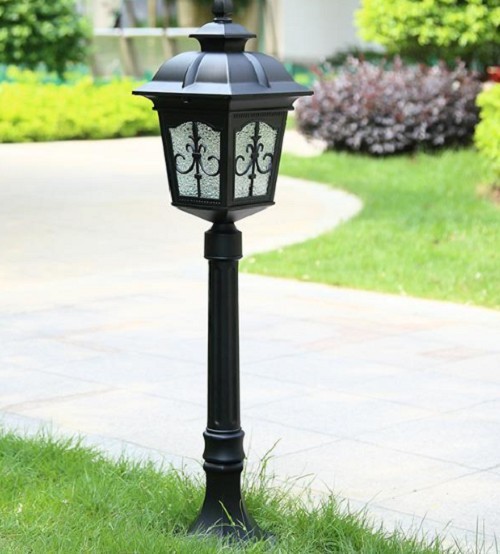
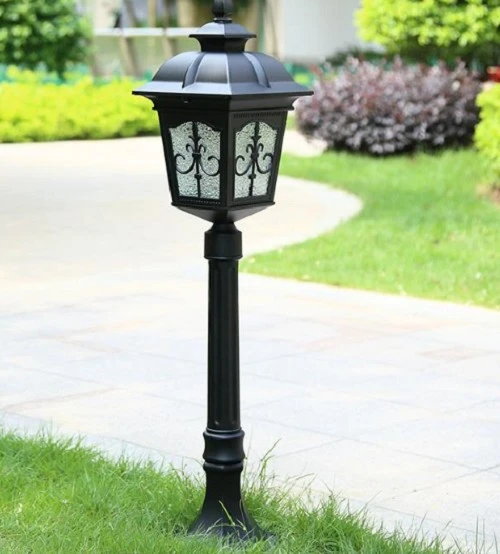
First off, what exactly do we mean by radiation performance when it comes to LED ground-buried landscape lamps? Well, in simple terms, it refers to how the lamp emits light and the characteristics of that light emission. This includes aspects like the light distribution, color temperature, and the amount of light (luminosity) it puts out.
Let's start with light distribution. LED ground-buried landscape lamps are designed to provide a specific pattern of light. Some are made to create a wide, diffused glow, which is great for illuminating large areas like pathways or open garden spaces. Others are engineered to produce a more focused beam, ideal for highlighting specific features such as statues or flower beds.
The way these lamps achieve different light distributions is through their optical design. The lenses or reflectors used in the lamp play a crucial role here. For example, a lamp with a well-designed lens can direct the light precisely where it's needed, minimizing light spillage and ensuring that the illumination is efficient.
Now, let's talk about color temperature. Color temperature is measured in Kelvin (K) and gives an indication of the color of the light. A lower color temperature, around 2700K - 3000K, produces a warm, yellowish light that creates a cozy and inviting atmosphere. This is often preferred for outdoor spaces where you want to create a relaxing environment, like a patio or a garden seating area.
On the other hand, a higher color temperature, say 5000K - 6500K, results in a cool, bluish-white light. This type of light is more suitable for areas where high visibility is required, such as walkways or security lighting. At our company, we offer a range of LED ground-buried landscape lamps with different color temperatures to meet various customer needs.
Another important aspect of radiation performance is luminosity. Luminosity is a measure of the total amount of light emitted by the lamp. It's usually measured in lumens. The higher the lumen output, the brighter the lamp. When choosing an LED ground-buried landscape lamp, it's essential to consider the area you want to illuminate and the level of brightness required. For instance, a small flower bed may only need a lamp with a lower lumen output, while a large driveway or parking area will require a more powerful lamp.
One of the great advantages of LED technology in ground-buried landscape lamps is its energy efficiency. LEDs convert a higher percentage of electrical energy into light compared to traditional lighting sources like incandescent or halogen bulbs. This means that you can get the same level of brightness with an LED lamp using less power. Not only does this save you money on your electricity bills, but it's also better for the environment.
In addition to these basic aspects of radiation performance, there are also some other factors to consider. For example, the quality of the LED chips used in the lamp can have a significant impact on the light output and color consistency over time. High-quality LED chips are more stable and less likely to experience color shifting or a decrease in brightness.
We also take into account the durability and reliability of our LED ground-buried landscape lamps. These lamps are designed to withstand harsh outdoor conditions, including rain, snow, and extreme temperatures. They are often made with high-quality materials that are resistant to corrosion and damage.
Now, I'd like to introduce you to some of our popular products. We have the Aluminum Decoration Landscape-Lamp, which not only offers excellent radiation performance but also adds a touch of style to your outdoor space. The aluminum construction makes it durable and lightweight, and it's available in different designs to suit your aesthetic preferences.
Another great option is the Weather-Resistant Underwater Lamp. This lamp is specifically designed for underwater use, such as in ponds or fountains. It has a waterproof design and provides a beautiful, colorful illumination that can enhance the visual appeal of your water features.
If you're looking for a low-power option, our Low-Power Outdoor Ground-Buried Landscape Lamp is a perfect choice. It offers efficient lighting while consuming less energy, making it both cost-effective and environmentally friendly.
In conclusion, the radiation performance of LED ground-buried landscape lamps is a complex but important topic. By understanding the different aspects of light distribution, color temperature, and luminosity, you can choose the right lamp for your outdoor lighting needs. At our company, we're committed to providing high-quality LED ground-buried landscape lamps that offer excellent radiation performance, durability, and style.
If you're interested in learning more about our products or have any questions about LED ground-buried landscape lamps, we'd love to hear from you. Whether you're a homeowner looking to enhance your garden or a professional landscaper working on a large project, we can provide you with the right lighting solutions. Feel free to reach out to us to start a conversation about your lighting requirements and explore the possibilities of our LED ground-buried landscape lamps.
References:
- Lighting Research Center, Rensselaer Polytechnic Institute. (n.d.). Understanding Color Temperature.
- Illuminating Engineering Society. (n.d.). Lighting Handbook.


