

Hey there! I'm a supplier of weather-resistant underwater lamps, and I've been thinking a lot about how water quality can impact these nifty little lights. You see, when it comes to underwater lamps, we often focus on the weather resistance part, but water quality is a crucial factor that can't be ignored.
Let's first talk about what we mean by water quality. Water quality isn't just about whether the water is clear or dirty. It encompasses a bunch of different factors, like the pH level, the presence of dissolved minerals, and the amount of organic matter in the water. These factors can have a significant impact on how our underwater lamps perform and how long they last.
One of the most obvious ways water quality affects underwater lamps is through corrosion. If the water has a high level of dissolved salts or minerals, it can act like a corrosive agent. Over time, this can eat away at the lamp's housing, electrodes, and other components. For example, in saltwater environments, the high concentration of sodium chloride can cause metal parts on the lamp to rust and corrode. This not only makes the lamp look ugly but can also lead to malfunctions. The electrical connections might get corroded, which can disrupt the flow of electricity and cause the lamp to flicker or stop working altogether.
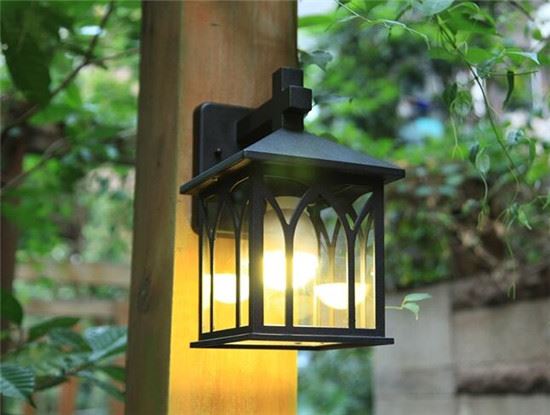
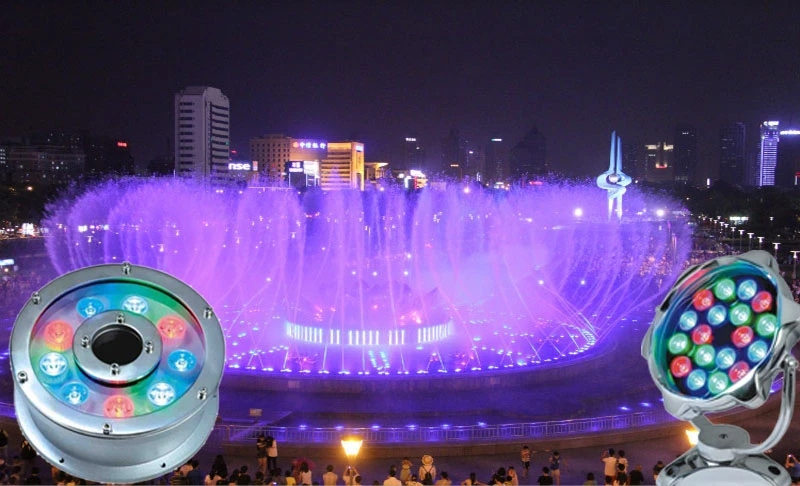
The pH level of the water is another important factor. Water that is either too acidic or too alkaline can be harsh on the materials used in underwater lamps. Most of our weather-resistant underwater lamps are designed to work in a relatively neutral pH range. If the water is too acidic, it can cause the plastic or rubber parts of the lamp to degrade. On the other hand, alkaline water can react with certain metals and cause them to become brittle. This means that if you're installing our lamps in a pond or pool with abnormal pH levels, you might run into problems with the lamp's durability.
Organic matter in the water can also have an impact. Algae, leaves, and other debris can accumulate on the surface of the lamp. This not only blocks the light output but can also create a breeding ground for bacteria. The bacteria can produce acidic by - products that can damage the lamp's surface. Additionally, the buildup of organic matter can make the lamp look unappealing, which is a big no - no, especially if you're using the lamps for decorative purposes in a pool or a landscape feature.
Now, let's talk about how these impacts can affect the different types of weather - resistant underwater lamps I supply. Take the Flexible Dimmable Wall Lamp for example. This lamp is often used in wall installations underwater. Poor water quality can cause the flexible parts to stiffen up or become brittle. The dimming function might also be affected if the electrical components are corroded. If the lamp is constantly immersed in water with high mineral content, the metal parts that control the dimming might corrode, making it difficult to adjust the light intensity.
The Low - Voltage Outdoor Underwater Lamp is another popular product. Since it operates on low voltage, it's especially sensitive to any disruptions in the electrical connection. Corrosion caused by bad water quality can lead to a poor electrical contact. This can result in the lamp not getting enough power to shine brightly or even lead to complete failure. The low - voltage design is meant to be energy - efficient and safe, but it's also more vulnerable to the effects of water quality.
The Low - Power Outdoor Ground - Buried Landscape Lamp is often installed in the ground around ponds or water features. If the soil or water around it has a high level of acidity or is filled with salts and minerals, it can damage the lamp's housing. The lamp might not be as visible as it should be if the lens gets cloudy due to corrosion or the accumulation of organic matter.
So, what can you do to mitigate the impact of water quality on these lamps? Well, first of all, it's important to test the water before installing the lamps. You can use simple water testing kits to check the pH level, mineral content, and other parameters. If the water quality is poor, you might want to consider treating the water. For example, you can use water conditioners to adjust the pH level or remove excess minerals.
Regular maintenance is also key. You should clean the lamps regularly to remove any organic matter that has accumulated on the surface. Inspect the lamps for any signs of corrosion or damage, and replace any worn - out parts as soon as possible.
As a supplier, I understand that you want your underwater lamps to last as long as possible and perform at their best. That's why we design our weather - resistant underwater lamps to be as durable as possible. But the reality is that water quality can really take a toll on them. So, if you're in the market for high - quality underwater lamps and want to make sure they can withstand the conditions of your water environment, I'm here to help.
Whether you're looking for the latest Flexible Dimmable Wall Lamp, the energy - efficient Low - Voltage Outdoor Underwater Lamp, or the discreet Low - Power Outdoor Ground - Buried Landscape Lamp, I've got you covered. If you have any questions about how our lamps will perform in your specific water conditions or want to discuss your lighting needs, don't hesitate to reach out. We can work together to find the perfect lighting solution for your project.
So, if you're interested in purchasing our weather - resistant underwater lamps, whether it's for a small home pool or a large commercial water feature, I'm ready to have a chat with you. Let's discuss your requirements and see how we can make your underwater lighting dreams a reality.
References
- "Water Quality and Its Impact on Electrical Equipment" by Hydro - Tech Research Institute
- "Underwater Lighting Systems: Durability and Maintenance" by Lighting Industry Journal


