

Sketching a decorative lighting lamp with a geometric pattern can be an exciting and rewarding endeavor. As a supplier of decorative lighting sketch lamps, I'm well - versed in the art and science behind creating these captivating designs. In this blog post, I'll walk you through the step - by - step process of sketching such a lamp, offering insights and tips along the way.
Step 1: Conceptualization
The journey of sketching a decorative lighting lamp starts with a clear concept. Think about the overall mood and style you want to achieve. Is it modern, minimalist, or perhaps more elaborate and ornate? Geometric patterns offer a wide range of possibilities, from simple triangles and squares to complex tessellations. Consider the use of the lamp - will it be for indoor or outdoor purposes? This will influence the design choices. For instance, outdoor lamps might need to be more durable and weather - resistant.
Research is also crucial at this stage. Look at different sources of inspiration such as architecture, nature, and art. You can find geometric patterns in ancient buildings, the honeycombs of bees, or in the works of modern artists. This research will help you come up with unique and interesting combinations of shapes and forms for your lamp.

Step 2: Gathering Materials
Once you have a clear concept in mind, it's time to gather the necessary materials for sketching. You'll need high - quality sketching paper. Choose a paper that has a smooth surface and can handle the type of drawing you plan to do. Pencils are essential, and I recommend having a range of hardness, from 2H for light outlines to 6B for dark, bold lines. An eraser is also a must - have, as you'll likely make some mistakes along the way. A ruler and a compass can be very useful for creating precise geometric shapes.
If you prefer digital sketching, you'll need a graphics tablet and software like Adobe Illustrator or Sketch. These tools offer a lot of flexibility and allow you to easily make changes to your design.
Step 3: Basic Shapes
Begin your sketch by drawing the basic shape of the lamp. This could be a cylinder for a classic lamp body, a sphere for a more contemporary look, or an irregular geometric shape for a unique design. Use your ruler and compass to ensure that the shapes are as accurate as possible. Start with light, faint lines so that you can easily make adjustments later.
For example, if you're sketching a table lamp, draw a simple cylindrical base and a cone - shaped lampshade. Connect them with a straight or curved line for the stem. These basic shapes will form the foundation of your lamp design.
Step 4: Adding Geometric Patterns
Now comes the fun part - adding the geometric patterns. There are countless ways to incorporate patterns into your lamp design. You could create a striped pattern on the lampshade using horizontal or vertical lines. Triangles can be arranged in a repeating pattern to give a sense of movement and dynamism.
Another option is to use a more complex pattern like a mandala. A mandala is a circular geometric design that often has a radial symmetry. To draw a mandala - like pattern on your lamp, start by dividing the circular area into equal sections using a compass. Then, draw different geometric shapes within each section, such as circles, squares, and triangles, making sure that they are symmetrically arranged.
You can also experiment with negative space. By leaving certain areas blank, you can create a contrast that makes the geometric patterns stand out even more.
Step 5: Detailing and Refining
Once you have added the basic geometric patterns, it's time to add details. This could include adding texture to the patterns, such as hatching or stippling, to give them a more three - dimensional look. You can also add small decorative elements like dots or small circles to enhance the overall design.
Refine the lines of your sketch, making them cleaner and more precise. Use an eraser to remove any unnecessary marks or smudges. Pay attention to the proportions of the lamp and the patterns. Make sure that the patterns are not too large or too small in relation to the overall size of the lamp.
Step 6: Color and Shading
If you're working on a digital sketch, you can easily add color to your design. Choose colors that complement each other and fit the overall style of the lamp. For a modern and minimalist look, you might choose a monochromatic color scheme, such as black and white. For a more vibrant and eye - catching design, you could use a combination of bright, bold colors.
Shading is also an important aspect of the design. It can give the lamp a more realistic and three - dimensional appearance. Use different tones of the same color or complementary colors to create highlights and shadows. For example, if your lamp is made of a shiny material like metal, you can use a light source to determine where the highlights and shadows should be.
Step 7: Presenting Your Sketch
Once your sketch is complete, it's time to present it. If you're showing your design to a client or a team, you can create a digital presentation using software like PowerPoint or Keynote. Include different views of the lamp, close - ups of the geometric patterns, and information about the materials and colors you used.
If you're working in a physical sketchbook, you can scan your sketch and print it on high - quality paper for a professional - looking presentation.
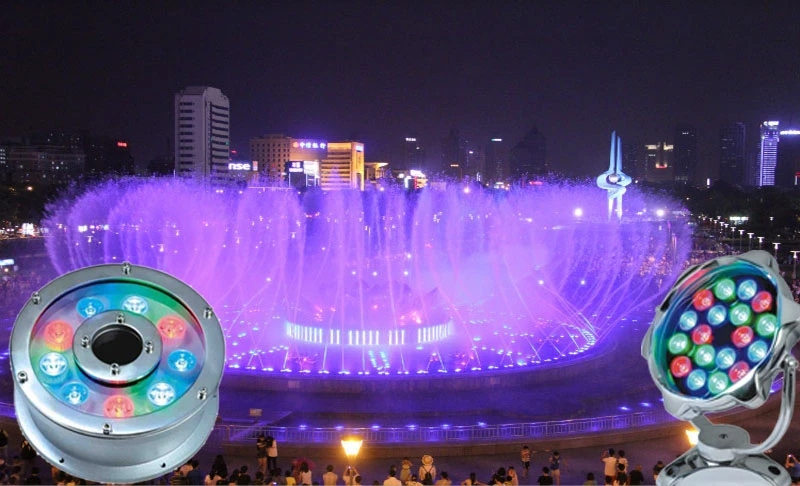
As a supplier of decorative lighting sketch lamps, we offer a wide variety of products that incorporate geometric patterns. Our Low - Voltage Outdoor Underwater Lamp features innovative geometric designs that are both functional and aesthetically pleasing. The Die - Casting Aluminum Landscape - Lamp is another great option, with its durable construction and unique geometric patterns that can enhance any outdoor space. And for those looking for a more advanced solution, our Programmable Ground - Buried Landscape Lamp offers the ability to customize lighting effects, combined with beautiful geometric patterns.
If you're interested in our products or have a specific design in mind for a decorative lighting lamp with geometric patterns, we'd love to hear from you. Whether you're an interior designer, an architect, or a homeowner looking to add a touch of style to your space, we can work with you to bring your vision to life. Contact us for a detailed discussion about your requirements and we can start the process of creating the perfect decorative lighting lamp for you.
References
- "The Art of Sketching: A Comprehensive Guide", by John Smith
- "Geometric Design in Lighting", published by Lighting Design Institute
- "Digital Sketching Techniques", available at local art libraries


