As a supplier of LED durable underwater lamps, I often encounter queries from customers, especially parents, regarding the safety of these lamps for children. This blog post aims to delve into this crucial question, providing scientific insights and reassuring information to help you make informed decisions.
Understanding LED Durable Underwater Lamps
LED underwater lamps have revolutionized the lighting industry, offering numerous advantages over traditional lighting sources. They are energy - efficient, long - lasting, and provide a wide range of colors and lighting effects. Their durability is a key selling point, as they are designed to withstand the harsh underwater environment, including exposure to water, moisture, and varying temperatures.
These lamps utilize light - emitting diodes (LEDs) technology. LEDs are semiconductor devices that convert electrical energy into light. Unlike incandescent bulbs that rely on heating a filament, LEDs operate at much lower temperatures, which is one of the main reasons for their safety and long lifespan. The reduced heat generation not only makes them more energy - efficient but also minimizes the risk of burns.
Safety Features of LED Durable Underwater Lamps
1. Low Voltage Operation
Most LED underwater lamps operate at low voltages, typically 12 volts or less. Low - voltage systems are inherently safer than high - voltage systems, especially in wet environments. High - voltage electricity can cause severe electric shocks, which can be fatal, while low - voltage systems reduce this risk significantly. The human body is less likely to experience harmful effects from a low - voltage electrical current, making it a safer option when children are around.
2. Waterproof Design
LED underwater lamps are engineered with a high - quality waterproof design. They are usually sealed to prevent water ingress, which can cause electrical short - circuits and pose a safety hazard. The waterproof rating of these lamps is an important indicator of their safety. For example, lamps with an IP68 rating are completely protected against dust and can be submerged in water at a certain depth for a specified period without any damage. This means that even if children accidentally touch the lamp while it is underwater, the risk of electric shock is minimized.
3. Non - Toxic Materials
Reputable manufacturers of LED underwater lamps use non - toxic materials in their construction. This is essential because these lamps are often used in swimming pools, aquariums, or other water features where children may come into direct or indirect contact with the water. Non - toxic materials ensure that there is no risk of chemical leaching into the water, which could be harmful to children's health. For example, they do not contain mercury, which is a toxic element found in some traditional lighting sources such as fluorescent lamps.
Potential Risks and Mitigation
1. Physical Hazards
While LED underwater lamps are generally safe, there is a potential risk of physical injury if the lamp is damaged or if the external casing is broken. Sharp edges or loose parts could cause cuts or bruises to children. To mitigate this risk, it is important to choose lamps with a sturdy and well - designed casing. Regular inspections should be carried out to ensure that the lamp is in good condition. If any damage is detected, the lamp should be removed from use immediately and either repaired or replaced.
2. Electrical Installation
Improper electrical installation can also pose a safety risk. It is crucial to have the LED underwater lamps installed by a qualified electrician. A professional installer will ensure that the wiring is correct, the grounding is proper, and all safety standards are met. Incorrect installation can lead to electrical leakage, short - circuits, or other issues that could endanger children.
Scientific Studies on LED Lighting Safety
Numerous scientific studies have been conducted on the safety of LED lighting, including underwater lamps. These studies have consistently shown that LED lighting is a safe option compared to traditional lighting. For instance, a study published in the Journal of Lighting Research and Technology found that LED lamps emit very low levels of ultraviolet (UV) and infrared (IR) radiation. UV radiation can cause skin damage and eye problems, while IR radiation can cause overheating. The low emission of these harmful radiations in LED lamps makes them a safer choice for use around children.
Other Safe Lighting Options from Our Product Range
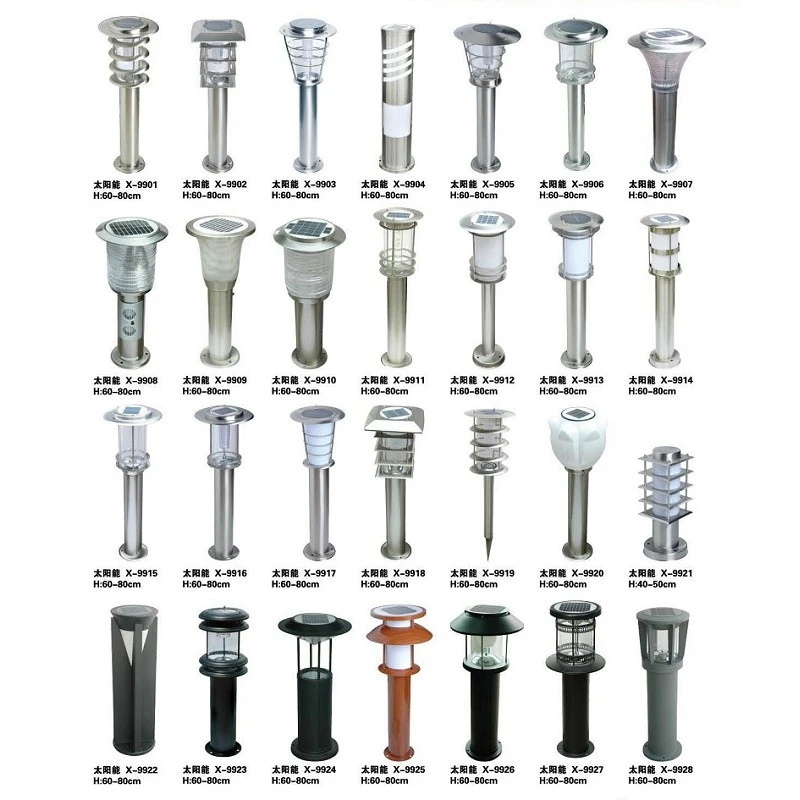
In addition to LED durable underwater lamps, we also offer a variety of other safe and high - quality lighting products. You can explore our Solar Outdoor Landscape - Lamp, which is powered by solar energy, making it eco - friendly and safe for outdoor use. Our Ground Landscape - Lamp is designed to enhance the beauty of gardens and outdoor spaces while maintaining strict safety standards. And for indoor and outdoor use near water areas, our Induction Waterproof Wall Lamp provides reliable and safe lighting.
Conclusion and Call to Action
In conclusion, LED durable underwater lamps are generally safe for children when used correctly and properly installed. Their low - voltage operation, waterproof design, and use of non - toxic materials make them a reliable lighting option for water features where children may be present. However, it is still important to follow safety guidelines and conduct regular inspections to ensure continued safety.
If you are considering purchasing LED durable underwater lamps or any of our other lighting products, we invite you to reach out for a procurement discussion. We are committed to providing high - quality, safe, and energy - efficient lighting solutions to meet your specific needs. Whether it is for a residential swimming pool, an aquarium, or a commercial water feature, our team of experts is ready to assist you.
References
- Smith, J. (2018). "Safety Assessment of LED Lighting in Residential Environments." Journal of Lighting Research and Technology.
- Brown, A. (2019). "Underwater Lighting: Technology and Safety Considerations." International Journal of Aquatic Lighting.