As a supplier of solar outdoor landscape-lamps, I've seen firsthand the challenges that come with keeping these beautiful fixtures safe from animals. Whether it's deer nibbling on wiring, squirrels knocking them over, or birds building nests inside, animals can cause a lot of damage to our solar landscape lamps. But don't worry, I've got some practical tips to help you protect your investment.
Understanding the Threats
First off, it's important to know what kind of animals might pose a threat to your solar outdoor landscape-lamps. In different regions, the culprits can vary. For example, in suburban areas, raccoons are notorious for being curious and mischievous. They might try to pull apart the lamps to see what's inside or use them as a climbing post. Squirrels, on the other hand, are always on the hunt for places to stash their nuts. They could easily knock over a Ground Landscape-Lamp while digging around it.
In more rural areas, deer can be a real problem. They're not intentionally trying to damage the lamps, but their large bodies can easily brush against them, breaking the fixtures or disconnecting the wiring. Birds might also see the lamps as a perfect spot to build a nest, which can block the solar panels and prevent them from charging properly.
Physical Barriers
One of the simplest ways to protect your solar outdoor landscape-lamps is by using physical barriers. For ground-level lamps, you can install small fences or cages around them. These don't have to be big or fancy; just something to keep larger animals from getting too close. You can use chicken wire or small mesh fencing, which is relatively inexpensive and easy to install.
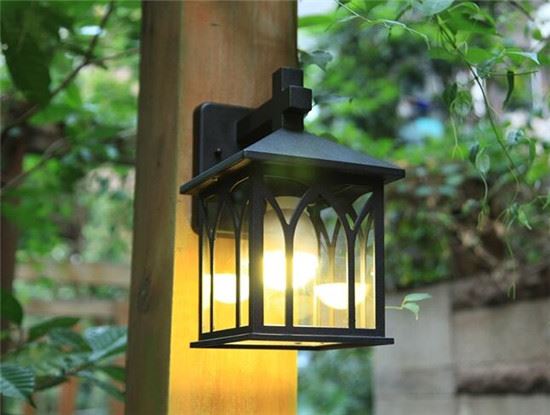
For wall-mounted lamps like the Induction Waterproof Wall Lamp, you can attach a small guard or shield. This can prevent animals from pecking at the lamp or trying to nest inside. You can find pre-made guards at most hardware stores, or you can make your own using thin metal or plastic sheets.
Repellents
Another option is to use animal repellents. There are a variety of commercial repellents available on the market, both chemical and natural. Chemical repellents usually work by emitting a strong odor that animals find unpleasant. These can be sprayed around the lamps or on the lamps themselves. However, be careful when using chemical repellents, as they can be harmful to the environment and some animals.
Natural repellents are a safer alternative. For example, you can use essential oils like peppermint, citrus, or eucalyptus. These oils have strong scents that animals don't like. You can mix a few drops of the oil with water in a spray bottle and spray it around the lamps. Another natural option is to plant certain herbs or flowers around the lamps. Plants like lavender, rosemary, and marigolds have scents that can repel animals.
Design Considerations
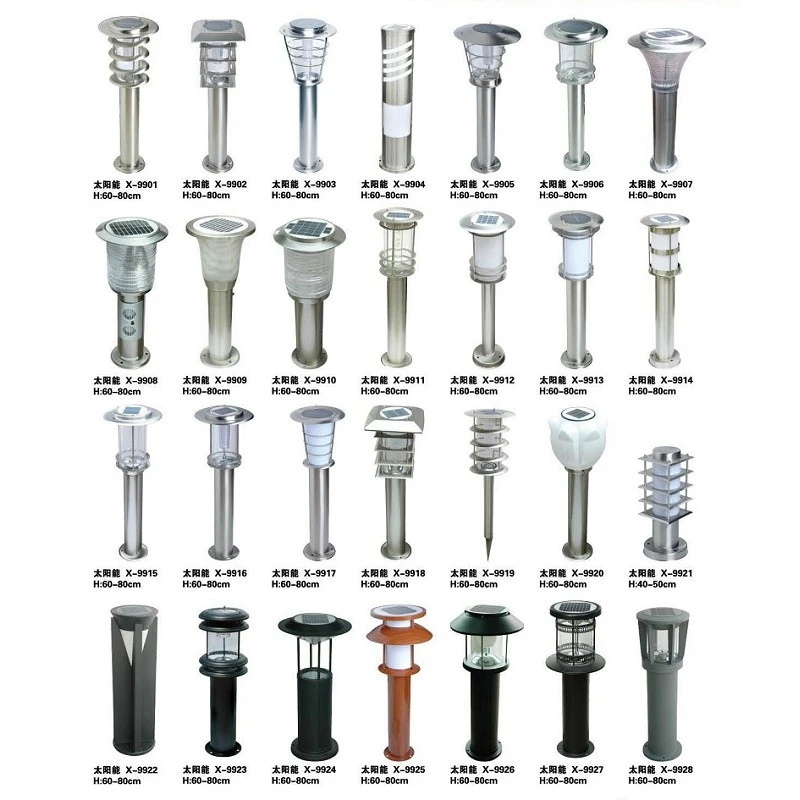
When choosing solar outdoor landscape-lamps, it's important to consider the design. Some lamps are more prone to animal damage than others. For example, lamps with exposed wiring or loose parts are more likely to be tampered with by animals. Look for lamps that have a sturdy construction and all the wiring is well-protected.
The Flexible Dimmable Wall Lamp is a great example of a well-designed lamp. It has a sleek and compact design, with no exposed parts that animals can easily access. The solar panel is also positioned in a way that makes it difficult for birds to build nests on it.
Regular Maintenance
Regular maintenance is crucial for keeping your solar outdoor landscape-lamps in good condition and protecting them from animals. Check the lamps regularly for any signs of damage or animal activity. Look for broken parts, chewed wiring, or nests. If you find any problems, fix them as soon as possible.
Clean the lamps regularly to remove any dirt, debris, or animal droppings. This not only keeps the lamps looking good but also helps them function properly. A dirty solar panel won't be able to absorb as much sunlight, which can reduce the lamp's performance.
Monitoring and Surveillance
In some cases, it might be a good idea to install a monitoring or surveillance system. This can help you keep an eye on your lamps and catch any animal activity early. You can use motion-activated cameras or sensors to detect when an animal is approaching the lamps. Some systems can even send you an alert on your phone, so you can take action right away.
Educating Yourself and Your Neighbors
Finally, educating yourself and your neighbors about the importance of protecting solar outdoor landscape-lamps is essential. Share your knowledge and tips with others in your community. Encourage them to take similar steps to protect their lamps. By working together, we can create a more animal-friendly environment while still enjoying the beauty and functionality of our solar landscape lamps.
Conclusion
Protecting solar outdoor landscape-lamps from animals doesn't have to be a difficult task. By understanding the threats, using physical barriers and repellents, choosing the right design, performing regular maintenance, and using monitoring systems, you can keep your lamps safe and in good working condition.
If you're interested in purchasing high-quality solar outdoor landscape-lamps or have any questions about protecting them from animals, feel free to reach out. I'm always happy to help and discuss your specific needs. Let's work together to create a beautiful and animal-safe outdoor lighting solution.
References
- Various studies on animal behavior and its impact on outdoor fixtures.
- Manufacturer's guidelines for solar outdoor landscape-lamps.
- Experience and observations from my work as a solar outdoor landscape-lamp supplier.