

Hey there! As a supplier of energy-efficient wall lamps, I often get asked about the types of bulbs used in these nifty lighting fixtures. So, I thought I'd take a moment to break it down for you.
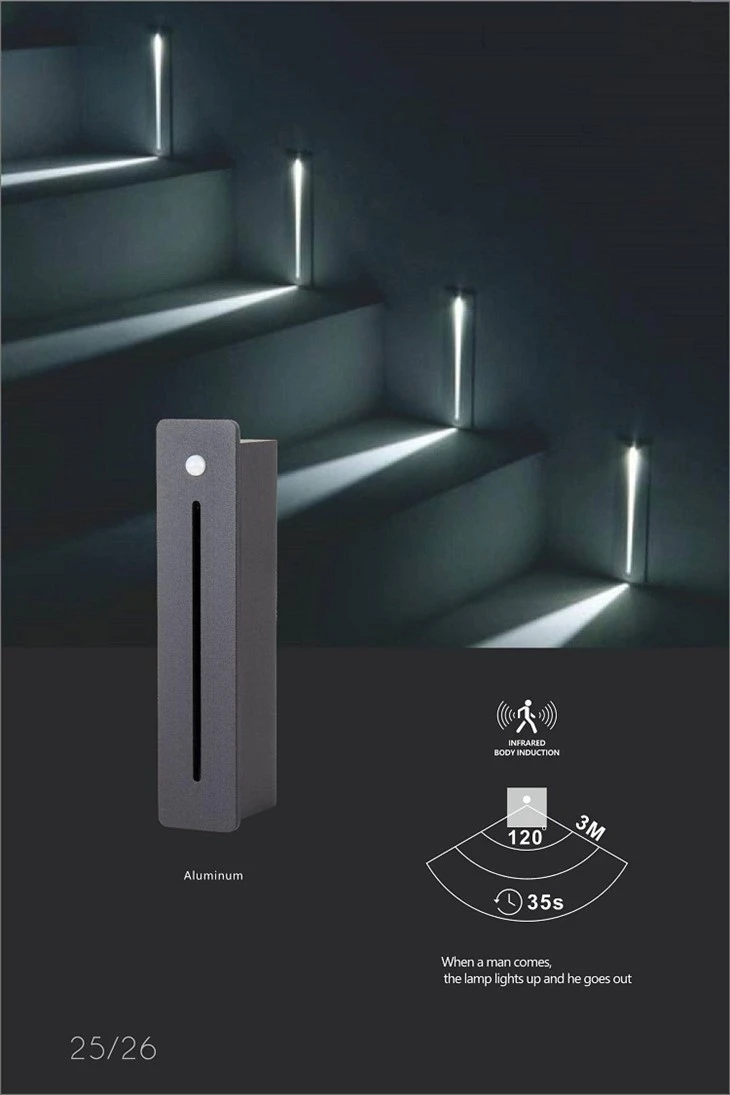
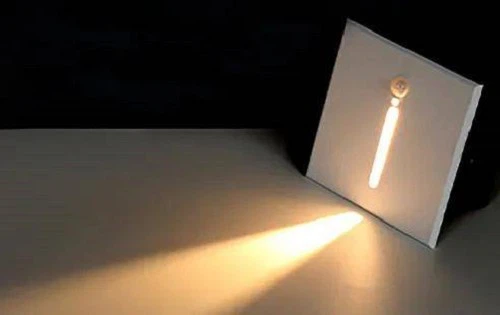
First off, let's talk about LED bulbs. These are hands down the most popular choice for energy-efficient wall lamps, and for good reason. LEDs, or Light Emitting Diodes, are super energy-efficient. They use up to 80% less energy than traditional incandescent bulbs. That means lower electricity bills for you and a smaller carbon footprint for the planet.
One of the great things about LED bulbs is their longevity. They can last up to 25,000 hours or more, depending on the quality. That's way longer than incandescent bulbs, which might only last 1,000 hours. So, you won't have to keep replacing the bulbs in your wall lamps as often.
LED bulbs also come in a wide range of colors and color temperatures. You can get warm white light that gives a cozy, inviting feel, similar to the light from an old-fashioned incandescent bulb. Or, if you prefer a brighter, cooler light for task lighting, there are daylight or cool white LED bulbs available too.
Another advantage of LEDs is that they don't produce much heat. Incandescent bulbs waste a lot of energy by giving off heat, but LEDs convert most of the energy they use into light. This makes them safer to use in wall lamps, as there's less risk of fire or burning yourself if you accidentally touch the bulb.
Now, let's move on to CFL bulbs, which stands for Compact Fluorescent Lamp. These were a popular choice for energy-efficient lighting before LEDs became so widespread. CFLs use about 75% less energy than incandescent bulbs and can last up to 10,000 hours.
They work by passing an electric current through a tube filled with mercury vapor and argon gas. This creates ultraviolet light, which then hits a phosphor coating on the inside of the tube, producing visible light.
One downside of CFL bulbs is that they contain a small amount of mercury. This means they need to be disposed of properly to avoid environmental contamination. You can't just throw them in the regular trash. Instead, you should take them to a recycling center that accepts CFLs.
CFL bulbs also take a little time to reach their full brightness. When you first turn them on, they might start out dim and gradually get brighter over a few minutes. This can be a bit annoying if you're used to instant light from an incandescent bulb.
There are also halogen bulbs, which are a type of incandescent bulb but with some improvements. Halogen bulbs are more energy-efficient than traditional incandescent bulbs, using about 25% less energy. They also last longer, up to 2,000 - 4,000 hours.
Halogen bulbs work by using a halogen gas inside the bulb, which helps to recycle the tungsten filament. This makes the bulb more efficient and gives it a brighter, whiter light compared to a regular incandescent bulb.
However, halogen bulbs still produce a lot of heat, so they're not as energy-efficient as LEDs or CFLs. They also have a shorter lifespan compared to LEDs.
So, which type of bulb is the best for your energy-efficient wall lamp? Well, it really depends on your needs and preferences. If you want the most energy-efficient option with a long lifespan and a wide range of color options, LEDs are the way to go. If you're on a budget and don't mind the slower warm-up time and proper disposal requirements, CFLs can be a good choice. And if you like the bright, white light of halogen bulbs and don't mind the heat and shorter lifespan, they could work for you too.
At our company, we offer a variety of energy-efficient wall lamps that come with different types of bulbs. Whether you're looking for a Smart Voice-ControlLED Wall Lamp for your living room or a Waterproof Foot Lamp for your outdoor space, we've got you covered. We also have some great Smart City Decoration Landscape Lamp options that are perfect for adding a touch of style to public areas.
If you're interested in purchasing our energy-efficient wall lamps or have any questions about the types of bulbs we use, don't hesitate to reach out. We're here to help you find the perfect lighting solution for your needs. Whether you're a homeowner looking to upgrade your lighting or a business owner in need of energy-efficient fixtures, we can work with you to find the right products at the right price.
So, what are you waiting for? Let's start the conversation and see how we can make your space brighter and more energy-efficient.
References:
- "Energy Star - Lighting Facts." Energy Star, a program of the U.S. Environmental Protection Agency and the U.S. Department of Energy.
- "Lighting Basics." Lighting Research Center at Rensselaer Polytechnic Institute.


