Standby power consumption, often referred to as vampire power or phantom load, is the electricity consumed by electronic devices when they are plugged in but not actively in use. In the context of an induction waterproof wall lamp, understanding standby power consumption is crucial for both energy - conscious consumers and cost - effective business operations. As a supplier of induction waterproof wall lamps, I'm here to shed light on this important topic.
The Concept of Standby Power Consumption
Standby power consumption exists because many modern electronic devices need to be in a "ready" state to respond to user commands quickly. For example, a smart TV may need to listen for remote - control signals even when it's turned off. In the case of an induction waterproof wall lamp, the induction function requires the lamp to continuously sense its surroundings, which means it consumes a small amount of power even when it's not illuminating.
The standby power consumption of an induction waterproof wall lamp is mainly influenced by two factors: the type of induction technology and the components used in the lamp. There are several types of induction technologies commonly used in these lamps, such as infrared induction and microwave induction.
Infrared induction technology works by detecting the infrared radiation emitted by human bodies. The sensor is constantly on the lookout for changes in the infrared spectrum. When a person enters the detection range, the lamp is triggered to turn on. This type of sensor typically has a relatively low standby power consumption because it only needs to monitor the infrared signals passively. On average, an infrared - induction waterproof wall lamp may consume around 0.5 - 1 watt of power in standby mode.
Microwave induction technology, on the other hand, uses microwave signals to detect movement. It emits microwave pulses and analyzes the reflected signals to determine if there is any movement in the area. Microwave sensors are more sensitive and have a wider detection range compared to infrared sensors. However, they also tend to consume more power in standby mode. A microwave - induction waterproof wall lamp may consume approximately 1 - 2 watts of standby power.
The Impact of Standby Power Consumption
Although the standby power consumption of a single induction waterproof wall lamp may seem insignificant, when considering multiple lamps in a large - scale installation, such as in a commercial building or a public area, the cumulative effect can be substantial. For instance, if a building has 100 induction waterproof wall lamps with an average standby power consumption of 1 watt each, they will consume 100 watts of power continuously. Over the course of a day (24 hours), this amounts to 2.4 kilowatt - hours (kWh). In a month, the standby power consumption would be 72 kWh, which can lead to a significant increase in electricity bills.
Moreover, from an environmental perspective, reducing standby power consumption is an important step towards energy conservation and reducing carbon emissions. By minimizing the standby power of induction waterproof wall lamps, we can contribute to a more sustainable future.
Our Company's Approach to Reducing Standby Power Consumption
As a supplier of induction waterproof wall lamps, we are committed to developing products with low standby power consumption. We invest heavily in research and development to optimize the induction technology and select high - efficiency components.
One of the key strategies we adopt is to use advanced power management chips. These chips can precisely control the power supply to different parts of the lamp, ensuring that only the necessary components are powered during standby mode. For example, when the lamp is in standby, the power to the lighting unit can be completely cut off, while the induction sensor remains operational with minimal power consumption.
We also conduct rigorous testing on our products to ensure that they meet strict energy - efficiency standards. Each batch of induction waterproof wall lamps undergoes standby power consumption testing in our state - of - the - art laboratory. Only products that meet our low - power consumption criteria are released to the market.
Comparing with Other Landscape Lamps
When comparing the standby power consumption of induction waterproof wall lamps with other types of landscape lamps, it's important to note the differences in their functions and operation modes. For example, the Explosion Proof Aluminum Landscape - Lamp is designed for use in hazardous environments and may have different power requirements. These lamps may need to maintain a certain level of power to ensure their explosion - proof functionality, and their standby power consumption could vary depending on the specific design and safety features.
The Waterproof Foot Lamp is typically used for decorative purposes at ground level. Some waterproof foot lamps may not have induction functions and thus have very low or even zero standby power consumption if they are simply turned off when not in use. However, if they are smart - controlled foot lamps with features like remote control or light - sensing, they will have some standby power consumption similar to induction waterproof wall lamps.
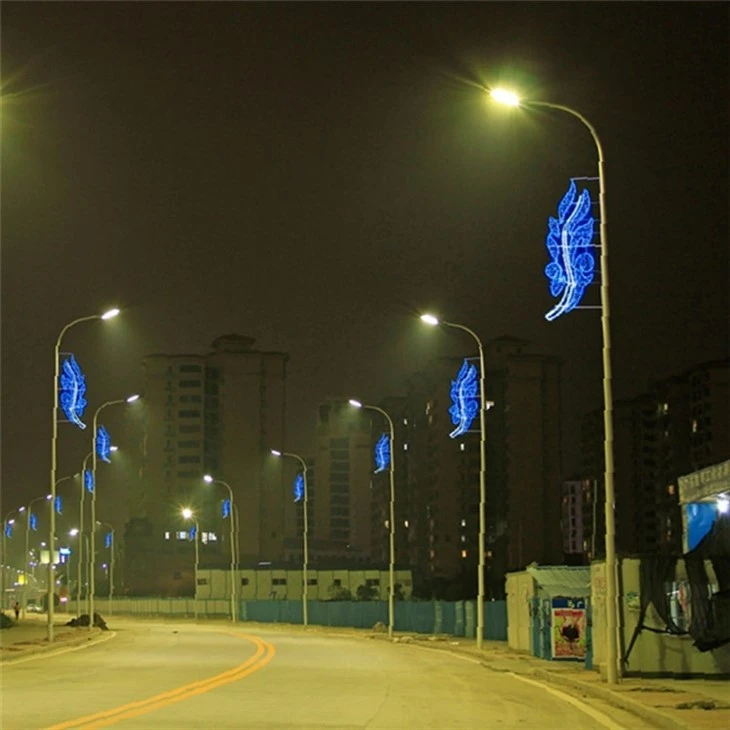
The Smart City Decoration Landscape Lamp is often integrated with various smart features such as environmental monitoring, data transmission, and remote control. These additional functions usually result in higher standby power consumption compared to a basic induction waterproof wall lamp.
How to Choose an Induction Waterproof Wall Lamp with Low Standby Power Consumption
When choosing an induction waterproof wall lamp, consumers should pay attention to the following aspects:
- Product Specifications: Look for the standby power consumption value in the product manual or technical specifications. A lower value indicates better energy efficiency.
- Brand Reputation: Choose a well - known and reputable brand. Brands with a focus on energy - saving technologies are more likely to produce lamps with low standby power consumption.
- User Reviews: Check online user reviews to see what other customers have to say about the lamp's power consumption in real - world use.
Conclusion
Standby power consumption is an important factor to consider when purchasing an induction waterproof wall lamp. As a supplier, we understand the significance of providing energy - efficient products. Our induction waterproof wall lamps are designed to minimize standby power consumption while maintaining high - performance induction functions.
If you are interested in our induction waterproof wall lamps or have any questions about standby power consumption, please feel free to contact us for procurement and further discussion. We are always ready to provide you with the best lighting solutions.
References
- "Energy - efficient Lighting Technologies", International Energy Agency.
- "Standby Power Consumption in Electronic Devices", Journal of Electrical Engineering.
- Manufacturer's product manuals and technical documents for induction waterproof wall lamps.