

What is the power consumption of a decorative alloy LED wall washer?
As a leading supplier of decorative alloy LED wall washers, I often get asked about the power consumption of these lighting fixtures. In this blog post, I'll delve into the factors that influence the power consumption of decorative alloy LED wall washers, compare them with traditional lighting options, and discuss how understanding power consumption can help you make informed decisions for your lighting projects.
Understanding LED Wall Washer Basics
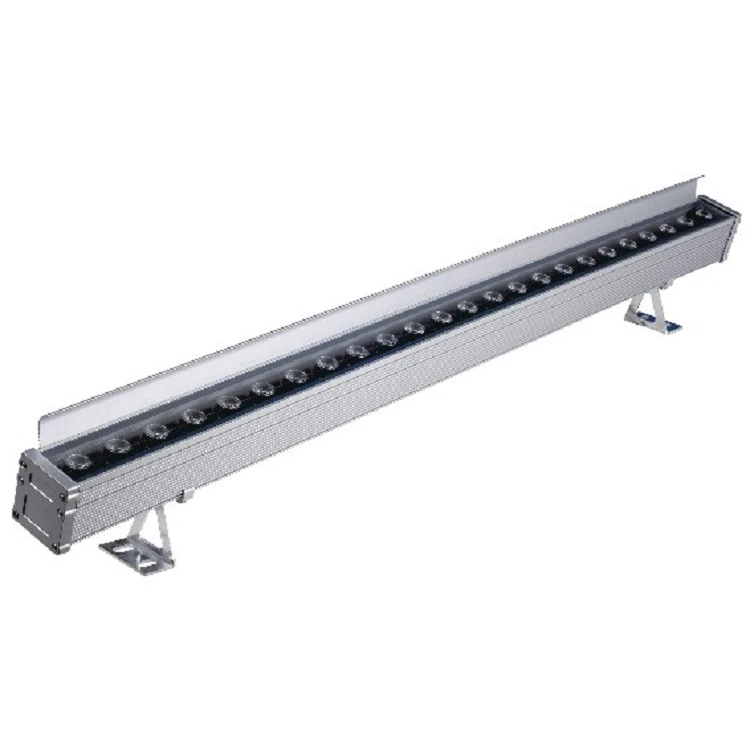
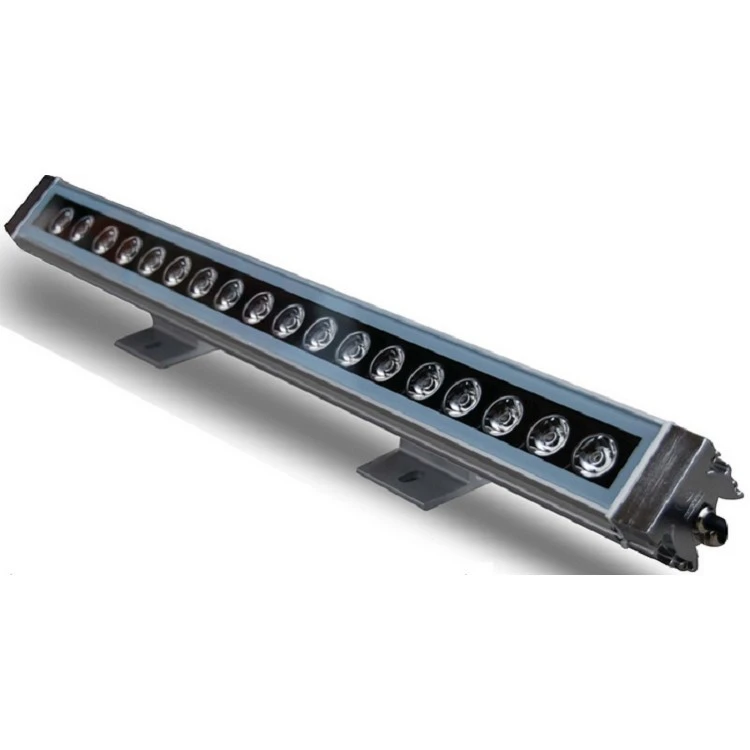
Before we dive into power consumption, let's briefly understand what a decorative alloy LED wall washer is. These lighting fixtures are designed to illuminate vertical surfaces, creating a wash of light that can enhance the aesthetic appeal of buildings, landscapes, and interior spaces. The use of alloy in the construction provides durability and a sleek, modern look.
LEDs, or light - emitting diodes, are the light source in these wall washers. They have become increasingly popular in recent years due to their energy - efficiency, long lifespan, and versatility in terms of color and brightness control.
Factors Affecting Power Consumption
- LED Chip Quality:
The quality of the LED chips used in the wall washer plays a significant role in power consumption. High - quality LED chips are more efficient at converting electrical energy into light. They can produce the same amount of brightness with less power compared to lower - quality chips. For instance, chips from well - known manufacturers often have better heat dissipation and higher luminous efficacy, which means they use less power to achieve a given level of illumination. - Brightness and Color Temperature:
The brightness, measured in lumens, and the color temperature of the light emitted by the wall washer directly impact power consumption. Higher brightness levels require more power. A wall washer set to a very high lumen output will consume more electricity than one set to a lower level. Similarly, different color temperatures can also affect power use. Cooler color temperatures (e.g., 5000K - 6500K) may require slightly more power compared to warmer color temperatures (e.g., 2700K - 3000K) to achieve the same perceived brightness. - Dimming Function:
Many of our decorative alloy LED wall washers come with a dimming function. When the wall washer is dimmed, it consumes less power. This is a great feature for energy savings, especially in applications where full brightness is not always required. For example, in a landscape setting, you may want full brightness at night, but during the early evening or when there is still some ambient light, you can dim the wall washer to reduce power consumption. - Size and Number of LEDs:
The physical size of the wall washer and the number of LEDs it contains also influence power consumption. Larger wall washers with more LEDs will generally consume more power than smaller ones. However, they can also provide a wider and more intense wash of light, which may be necessary for larger areas.
Power Consumption Comparison with Traditional Lighting
Let's compare the power consumption of decorative alloy LED wall washers with traditional lighting options such as incandescent and halogen lamps.
- Incandescent Lamps:
Incandescent lamps are extremely inefficient. They convert only about 10% of the electrical energy they consume into light, with the rest being wasted as heat. In contrast, our LED wall washers can convert up to 80 - 90% of the electrical energy into light. For example, to achieve the same level of brightness as a 100 - watt incandescent lamp, an LED wall washer may only need 10 - 15 watts of power. - Halogen Lamps:
Halogen lamps are an improvement over incandescent lamps in terms of efficiency, but they still lag behind LEDs. Halogen lamps typically convert about 20 - 30% of the electrical energy into light. An LED wall washer can provide the same or better illumination as a halogen lamp while using significantly less power.
Typical Power Consumption Ranges
The power consumption of our decorative alloy LED wall washers can vary depending on the model and its specifications. Generally, smaller wall washers with a single row of LEDs may consume as little as 5 - 10 watts. Medium - sized wall washers with multiple rows of LEDs can consume between 15 - 30 watts. Larger, more powerful wall washers designed for large - scale applications may consume 50 watts or more.
For example, our Programmable Hex LED Wall Washer offers a range of power options depending on the brightness and functionality you choose. It can be configured to consume power in a way that suits your specific lighting needs, whether it's for a small indoor display or a large outdoor facade.
Energy - Saving Benefits
Understanding the power consumption of decorative alloy LED wall washers can help you realize significant energy - saving benefits. By choosing energy - efficient LED wall washers, you can reduce your electricity bills over time. Additionally, lower power consumption means less strain on the electrical grid, contributing to a more sustainable environment.
Our Hex Waterproof LED Wall Washer is designed with energy efficiency in mind. It uses high - quality LED chips and advanced driver technology to minimize power consumption while still providing excellent illumination. This makes it a great choice for both indoor and outdoor applications where energy savings are a priority.
Making an Informed Decision
When selecting a decorative alloy LED wall washer, it's important to consider your specific lighting requirements and the power consumption of the fixture. If you have a large area to illuminate, you may need a more powerful wall washer, but you can still look for models with high - efficiency LED chips and dimming capabilities to control power use.
Our Energy Saving Remote Control LED Wall Washer offers the convenience of remote control along with energy - saving features. You can easily adjust the brightness and color settings, allowing you to optimize power consumption based on the time of day or the specific lighting effect you want to achieve.
Conclusion
In conclusion, the power consumption of a decorative alloy LED wall washer is influenced by several factors, including LED chip quality, brightness, color temperature, dimming function, and the size and number of LEDs. By understanding these factors, you can make an informed decision when choosing a wall washer for your lighting project. LED wall washers offer significant energy - saving benefits compared to traditional lighting options, and our range of products is designed to provide high - quality illumination while minimizing power consumption.
If you're interested in learning more about our decorative alloy LED wall washers or have specific questions about power consumption and lighting requirements, we encourage you to contact us. Our team of experts is ready to assist you in selecting the right product for your needs and to provide you with detailed information on energy efficiency and cost - savings.
References
- "LED Lighting Handbook", Lighting Research Center, Rensselaer Polytechnic Institute.
- "Energy - Efficient Lighting Technologies", U.S. Department of Energy.


