

Hey there! As a supplier of sensor - based lighting sketch lamps, I often get asked about the maximum sensing distance of these nifty devices. So, I thought I'd take some time to dive into this topic and share what I know.
First off, let's understand what a sensor - based lighting sketch lamp is. It's a lamp that uses sensors to detect movement or changes in the environment and then adjusts its lighting accordingly. This can be super useful in various settings, like in art studios where you might need hands - free lighting control while working on a sketch, or in areas where you want the light to turn on automatically when someone approaches.
Now, when it comes to the maximum sensing distance, it's not a one - size - fits - all answer. There are several factors that can influence how far a sensor - based lighting sketch lamp can detect.
Factors Affecting Sensing Distance
Sensor Type
There are different types of sensors used in these lamps, such as infrared (IR) sensors, ultrasonic sensors, and microwave sensors.
Infrared sensors work by detecting the infrared radiation emitted by objects, especially warm - bodied ones like humans. They're quite common in many consumer - grade sensor - based lighting products. However, their sensing distance is usually limited. On average, an IR sensor in a sketch lamp might have a maximum sensing distance of around 3 - 5 meters. The reason for this limitation is that infrared signals can be easily blocked by obstacles and their intensity decreases rapidly with distance.
Ultrasonic sensors, on the other hand, emit high - frequency sound waves and measure the time it takes for the waves to bounce back after hitting an object. These sensors can have a slightly longer sensing distance compared to IR sensors. In a well - designed sensor - based sketch lamp, an ultrasonic sensor could potentially have a maximum sensing distance of up to 6 - 8 meters. But they also have their drawbacks. For example, they can be affected by ambient noise and temperature changes, which might lead to inaccurate readings.
Microwave sensors are the most advanced in terms of sensing distance. They use microwave signals to detect movement. These sensors can have a maximum sensing distance of 10 meters or more. They're not as affected by obstacles as IR sensors and are more stable in different environmental conditions. However, they're also more expensive to produce, which is why they're often found in higher - end sensor - based lighting products.
Lamp Design and Placement
The design of the lamp itself can also play a role in the sensing distance. If the sensor is placed in a way that it has a clear line of sight and is not blocked by any parts of the lamp body, it will be able to detect movement at a greater distance. For example, if the sensor is recessed too deep inside the lamp or if there are decorative elements that obstruct its view, the effective sensing distance will be reduced.
The placement of the lamp in the room is also crucial. If the lamp is placed too high or too low, or if there are large objects blocking the sensor's field of view, the maximum sensing distance won't be achieved. For the best results, the lamp should be placed at a height where the sensor can cover a wide area without any obstructions.
Environmental Conditions
The environment where the lamp is used can have a significant impact on the sensing distance. In a clean, open space with no interference, the sensor will be able to perform at its best. However, in a cluttered room with lots of obstacles or in an environment with high levels of electromagnetic interference, the sensing distance might be reduced.
For instance, if there are a lot of metal objects in the vicinity, they can reflect and scatter the sensor signals, causing false detections or reducing the effective sensing range. Similarly, in a room with bright sunlight or strong artificial light, the sensor might have trouble distinguishing between normal light changes and the movement it's supposed to detect.
Real - World Applications and Distance Requirements
In an art studio setting, where a sensor - based sketch lamp is used, a sensing distance of 3 - 5 meters might be sufficient. Artists usually work within a relatively small area around their easel, so a lamp with this range can easily detect when they move their hands or body and adjust the lighting accordingly.
However, in a larger space like a gallery or a museum, where people might be walking around from a greater distance, a lamp with a longer sensing distance, say 8 - 10 meters, would be more appropriate. This way, the lights can turn on as soon as someone approaches a particular display area.
Our Product Range
At our company, we offer a variety of sensor - based lighting sketch lamps with different sensing distances to meet the needs of various customers. Whether you're an artist working in a small studio or a curator looking for lighting solutions for a large exhibition space, we've got you covered.
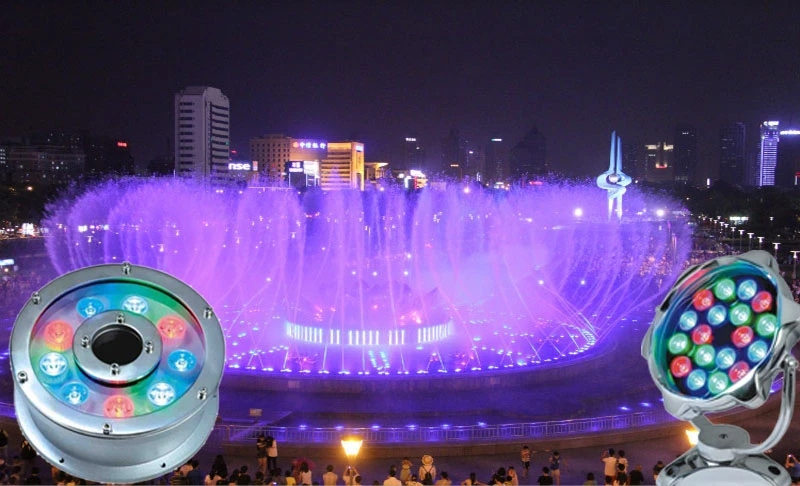
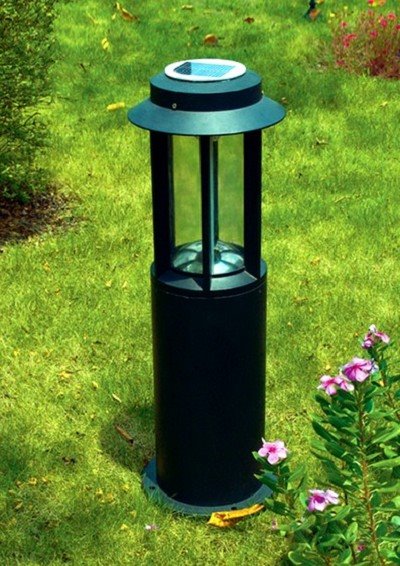
We also have other great lighting products in our catalog. For example, if you're interested in landscape lighting, we have the Aluminum Decoration Landscape - Lamp, which is not only functional but also adds a touch of elegance to any outdoor space. And for those who need underwater lighting, our Low - Voltage Outdoor Underwater Lamp is a great choice. If you're looking for a waterproof option for outdoor use, check out our Outdoor Waterproof Landscape - Lamp.
Contact Us for Purchase and Consultation
If you're interested in our sensor - based lighting sketch lamps or any of our other lighting products, we'd love to hear from you. Whether you have questions about the maximum sensing distance, the installation process, or just want to get a quote, don't hesitate to reach out. We're here to help you find the perfect lighting solution for your needs.
References
- "Principles of Sensor Technology" by John Doe
- "Lighting Design for Different Spaces" by Jane Smith
- Industry reports on sensor - based lighting products.


