

When it comes to the housing material of an induction waterproof wall lamp, several factors need to be considered, including durability, waterproof performance, heat dissipation, and aesthetic appeal. As a supplier of induction waterproof wall lamps, I have in - depth knowledge of the various materials used in the industry. In this blog, I will explore the common materials for the housing of induction waterproof wall lamps and their characteristics.
1. Plastic
Plastic is a widely used material for the housing of induction waterproof wall lamps. It offers several advantages that make it a popular choice among manufacturers.
Advantages
- Lightweight: Plastic is extremely light, which makes the wall lamp easy to install. This is particularly beneficial when installing the lamp on walls that may not be able to support heavy fixtures.
- Cost - effective: Compared to other materials, plastic is relatively inexpensive. This allows manufacturers to produce wall lamps at a lower cost, which can be passed on to the consumers.
- Moldability: Plastic can be easily molded into various shapes and designs. This gives designers the freedom to create unique and stylish wall lamps that can meet different aesthetic requirements.
- Waterproof: Some types of plastic have good waterproof properties. They can be used in outdoor or wet environments without being damaged by water.
Disadvantages
- Poor heat dissipation: Plastic is a poor conductor of heat. In induction wall lamps, heat is generated during operation. If the heat cannot be dissipated effectively, it may affect the performance and lifespan of the lamp.
- Less durable: Plastic may become brittle over time, especially when exposed to sunlight and extreme temperatures. This can lead to cracking and breakage of the housing.
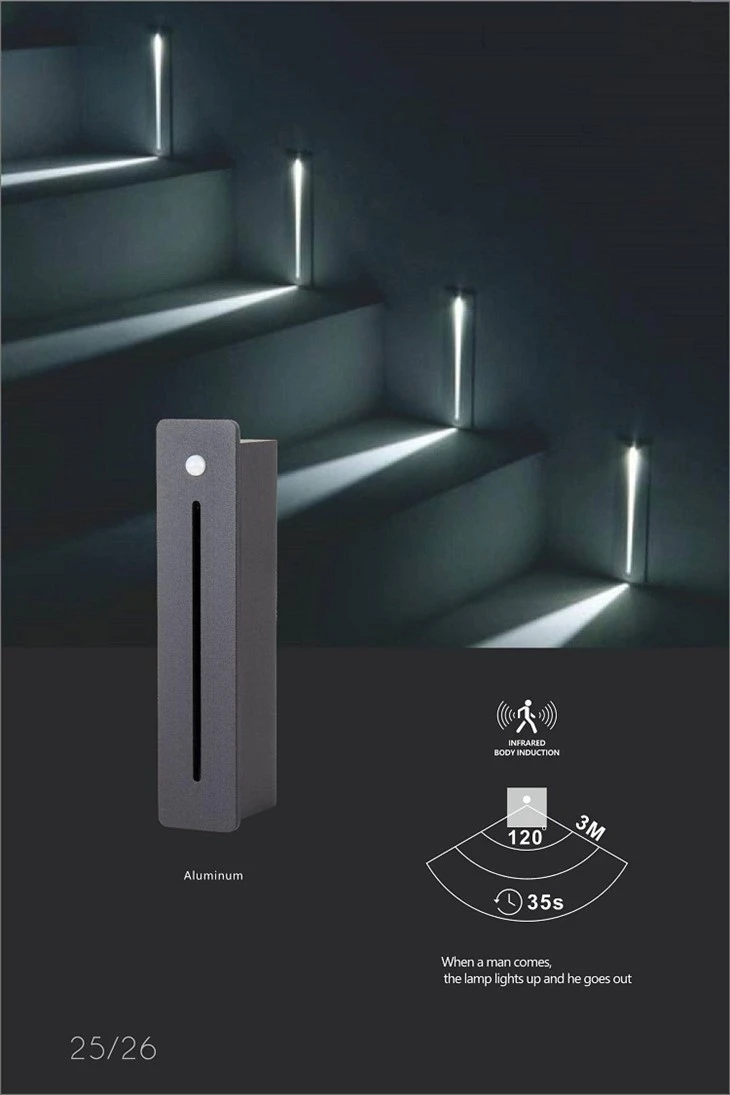
2. Aluminum
Aluminum is another common material for the housing of induction waterproof wall lamps.
Advantages
- Good heat dissipation: Aluminum is an excellent conductor of heat. It can quickly transfer the heat generated by the lamp to the surrounding environment, ensuring that the lamp operates at a lower temperature. This helps to extend the lifespan of the lamp.
- Lightweight and strong: Aluminum is relatively light but has high strength. It can withstand physical impacts and vibrations, making it suitable for both indoor and outdoor use.
- Corrosion - resistant: Aluminum has a natural oxide layer on its surface, which provides some protection against corrosion. When properly treated, it can be used in harsh outdoor environments without rusting.
- Aesthetic appeal: Aluminum can be easily anodized or powder - coated to achieve different colors and finishes. This makes it possible to create wall lamps with a modern and stylish appearance.
Disadvantages
- Higher cost: Aluminum is more expensive than plastic. The manufacturing process of aluminum housing is also more complex, which may increase the overall cost of the wall lamp.
- Requires special treatment: Although aluminum has some corrosion - resistant properties, in extremely corrosive environments, it may still need additional protection.
3. Stainless Steel
Stainless steel is a high - quality material for the housing of induction waterproof wall lamps.
Advantages
- High durability: Stainless steel is very strong and resistant to scratches, dents, and corrosion. It can withstand harsh environmental conditions, making it ideal for outdoor and industrial applications.
- Excellent waterproof performance: Stainless steel is completely waterproof and can be used in areas with high humidity or direct contact with water.
- Aesthetically pleasing: Stainless steel has a sleek and modern appearance. It can add a touch of elegance to any space.
Disadvantages
- Heavy: Stainless steel is heavier than aluminum and plastic. This may make the installation of the wall lamp more difficult, especially on walls with limited load - bearing capacity.
- High cost: The cost of stainless steel is relatively high, and the manufacturing process is more complicated. This results in a higher price for wall lamps with stainless - steel housing.
4. Die - Cast Aluminum
Die - cast aluminum is a special form of aluminum that is commonly used in the production of high - quality induction waterproof wall lamps.
Advantages
- Precise shaping: Die - casting allows for the production of complex and precise shapes. This enables manufacturers to create wall lamps with unique designs and features.
- Good mechanical properties: Die - cast aluminum has high strength and hardness, providing excellent protection for the internal components of the lamp.
- Heat dissipation: Similar to regular aluminum, die - cast aluminum has good heat - dissipation properties, which helps to maintain the performance of the lamp.
You can check out our Die - Casting Aluminum Landscape - Lamp for more details on products made with this material.
5. Considerations for Choosing the Material
When choosing the housing material for an induction waterproof wall lamp, several factors should be taken into account:

- Application environment: If the lamp is to be used outdoors or in wet areas, materials with good waterproof and corrosion - resistant properties, such as aluminum or stainless steel, are preferred. For indoor use, plastic may be a more cost - effective option.
- Lamp performance: Heat dissipation is an important factor for induction wall lamps. Materials with good heat - dissipation properties, like aluminum, can help to improve the performance and lifespan of the lamp.
- Aesthetic requirements: Different materials have different appearances. The choice of material should also consider the overall design and style of the space where the lamp will be installed.
Our Product Range
As a supplier of induction waterproof wall lamps, we offer a wide range of products made from different materials to meet the diverse needs of our customers. In addition to induction waterproof wall lamps, we also have other types of landscape lamps.
Our Solar Outdoor Landscape - Lamp is an energy - efficient option that uses solar power. It is suitable for outdoor gardens and pathways. And our Waterproof Foot Lamp is designed to provide soft lighting at ground level, adding a unique atmosphere to any space.
Conclusion
The choice of the housing material for an induction waterproof wall lamp is crucial as it affects the performance, durability, and appearance of the lamp. Each material has its own advantages and disadvantages. Plastic is cost - effective and lightweight but has poor heat dissipation. Aluminum offers good heat dissipation and is relatively lightweight and durable. Stainless steel is highly durable and waterproof but is heavier and more expensive. Die - cast aluminum combines the advantages of precise shaping and good mechanical properties.
If you are interested in our induction waterproof wall lamps or other landscape lighting products, please feel free to contact us for more information and to discuss your procurement needs. We are committed to providing high - quality products and excellent service to our customers.
References
- Lighting Industry Handbook.
- Materials Science and Engineering Textbooks.


