

Hey there! As a supplier of LED durable underwater lamps, I've been getting a lot of questions lately about the differences between our LED underwater lamps and the traditional ones. So, I thought I'd take a few minutes to break it down for you.
Energy Efficiency
Let's start with energy efficiency. Traditional underwater lamps, like halogen or incandescent bulbs, are real energy hogs. They convert a large portion of the energy they consume into heat rather than light. That means you're paying more on your electricity bill just to keep your pool or pond illuminated.
On the other hand, LED durable underwater lamps are incredibly energy - efficient. LEDs use semiconductor technology to produce light, and they convert a much higher percentage of the energy they use into visible light. This translates to significant savings over time. For instance, a traditional underwater lamp might consume 100 watts of power, while an LED equivalent could do the same job with just 20 - 30 watts. It's like getting the same amount of light for a fraction of the cost.
Lifespan
Another major difference is the lifespan of these lamps. Traditional underwater lamps have a relatively short lifespan. Halogen bulbs, for example, usually last around 1,000 - 2,000 hours. This means you'll have to replace them frequently, which can be a hassle, especially when they're installed underwater.
LED durable underwater lamps, however, are built to last. They can have a lifespan of up to 50,000 hours or more. That's decades of use if you're using the lamps for a few hours each day. This long lifespan not only saves you money on replacement bulbs but also reduces the environmental impact of constantly discarding old bulbs.
Durability
Durability is where our LED underwater lamps really shine. Traditional lamps are often more fragile. They are made with delicate filaments or glass components that can easily break, especially in an underwater environment where there might be water pressure changes, movement, or debris.
Our LED durable underwater lamps are designed to withstand the harsh underwater conditions. They are made with high - quality materials that are resistant to water, corrosion, and impact. The solid - state construction of LEDs means there are no fragile parts that can break easily. Whether it's a pool with swimmers or a pond with fish and plants, our LED lamps can handle it.
Light Quality
The light quality of LED and traditional underwater lamps is also quite different. Traditional lamps often produce a warm, yellowish light. While this can create a cozy atmosphere, it might not be the best for highlighting the colors of your pool or pond.
LED lamps, on the other hand, offer a wide range of color options. You can choose from warm white, cool white, or even RGB color - changing LEDs. This allows you to create different lighting effects, from a relaxing blue for a night - time swim to a colorful display for a pool party. The color rendering index (CRI) of LEDs is also usually higher, which means they can show the true colors of the objects underwater more accurately.
Heat Emission
Heat emission is an important factor to consider, especially in an underwater environment. Traditional lamps generate a significant amount of heat. This can not only increase the temperature of the water in your pool or pond but also pose a risk to the surrounding materials and any living organisms in the water.
LED durable underwater lamps produce very little heat. They operate at a much lower temperature, which is better for the water environment and reduces the risk of damage to the lamp housing and other nearby components.
Cost
When it comes to the initial cost, traditional underwater lamps are usually cheaper. However, when you factor in the long - term costs of energy consumption and replacement bulbs, LED lamps are actually more cost - effective. Over the lifespan of the lamp, you'll save a lot of money on electricity bills and replacement parts.
Applications
Both types of lamps have their own applications. Traditional lamps might be a good choice for small, temporary setups where cost is a major concern and you don't need the lamp to last a long time.
But for larger pools, commercial ponds, or long - term installations, our LED durable underwater lamps are the way to go. They offer better performance, more features, and long - term savings. For example, if you're running a water park or a high - end resort, the energy efficiency, long lifespan, and color options of our LED lamps can enhance the overall experience for your guests.
Related Products
If you're interested in other types of landscape lamps, we also offer some great options. Check out our Induction Waterproof Wall Lamp, which is perfect for illuminating walls around your pool or pond. It has a smart induction feature that turns on when it senses movement.
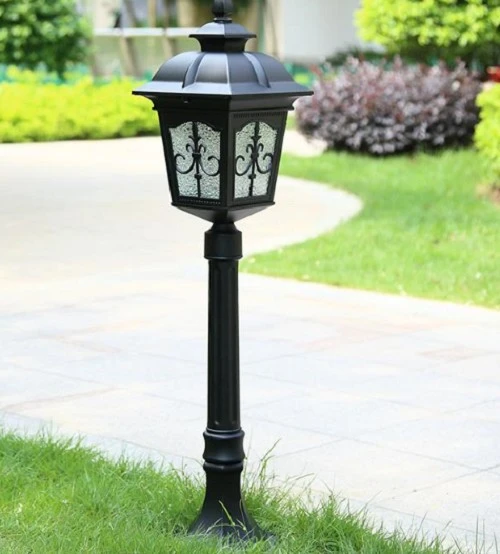
Our Ground Landscape - Lamp is another great choice. It can be installed on the ground to add a beautiful glow to your outdoor space.
And for areas where safety is a concern, our Explosion Proof Aluminum Landscape - Lamp is a reliable option. It's made with high - quality aluminum and is designed to withstand harsh conditions.
Conclusion
In conclusion, the differences between LED durable underwater lamps and traditional underwater lamps are quite significant. Our LED lamps offer better energy efficiency, longer lifespan, higher durability, better light quality, lower heat emission, and long - term cost savings.
If you're in the market for underwater lamps, I highly recommend considering our LED durable underwater lamps. They are a great investment for your pool, pond, or any other water feature. Whether you're a homeowner looking to enhance your backyard or a business owner in the hospitality or water - related industry, our lamps can meet your needs.

If you're interested in learning more about our products or getting a quote, feel free to reach out. We're always happy to answer your questions and help you find the right lighting solution for your project.
References
- "Lighting Basics: LED vs. Traditional Lighting." Energy.gov
- "Underwater Lighting: A Guide to Choosing the Right Lamps." Pool and Spa News Magazine
So, don't hesitate to contact us and start a procurement discussion. We're looking forward to working with you!


