As a seasoned supplier of solar outdoor landscape lamps, I often encounter inquiries from customers about the charging capacity of these lamps, especially during the winter months. This is a crucial concern as the performance of solar lamps can be significantly affected by the reduced sunlight and colder temperatures typical of winter. In this blog, I'll delve into the factors that influence the charging capacity of solar outdoor landscape lamps in winter and provide some practical insights for both consumers and industry peers.
Understanding the Basics of Solar Charging
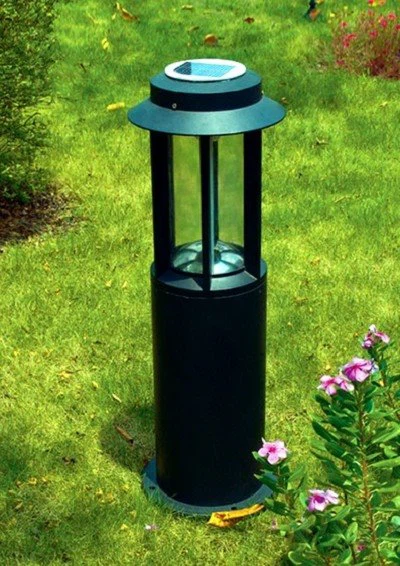
Before we discuss winter charging, it's essential to understand how solar outdoor landscape lamps work. These lamps are equipped with photovoltaic (PV) panels, which convert sunlight into electricity. The generated electricity is then stored in rechargeable batteries, usually lithium - ion or lead - acid batteries, to power the lamp during the night.
The charging process is governed by several factors, including the intensity of sunlight, the angle of the PV panels, and the efficiency of the PV cells. In an ideal scenario, the PV panels receive direct sunlight for several hours, allowing the batteries to reach their full capacity. However, winter presents a set of unique challenges that can disrupt this process.
Impact of Winter on Solar Charging
Reduced Sunlight Hours
One of the most significant challenges in winter is the reduction in sunlight hours. As the days get shorter, solar outdoor landscape lamps have less time to charge. For example, in regions close to the poles, the sun may only be above the horizon for a few hours a day during winter. This limited sunlight exposure means that the PV panels have a shorter window to generate electricity, resulting in less energy being stored in the batteries.
Lower Sun Angle
In winter, the sun sits lower in the sky compared to other seasons. This lower sun angle means that the PV panels may not receive sunlight at an optimal angle. When sunlight hits the panels at a steep angle, the effective surface area of the panels exposed to sunlight decreases, reducing the amount of electricity generated. Additionally, the sunlight has to pass through a greater thickness of the atmosphere, which can scatter and absorb some of the solar radiation before it reaches the panels.

Snow and Cloud Cover
Snow and cloud cover are common in winter, and they can have a significant impact on solar charging. Snow can accumulate on the PV panels, blocking sunlight and preventing the panels from generating electricity. Even a thin layer of snow can reduce the charging efficiency substantially. Cloud cover, on the other hand, diffuses sunlight, reducing its intensity. As a result, the PV panels receive less direct sunlight, leading to lower charging rates.
Cold Temperatures
Cold temperatures can also affect the performance of the rechargeable batteries in solar outdoor landscape lamps. Most batteries have an optimal operating temperature range, and in cold weather, their performance can degrade. For instance, the chemical reactions inside lithium - ion batteries slow down at low temperatures, reducing the battery's capacity and its ability to accept a charge.
Measuring Charging Capacity in Winter
To determine the charging capacity of solar outdoor landscape lamps in winter, we need to consider several metrics. The most common metric is the state of charge (SOC), which indicates the amount of energy stored in the battery as a percentage of its full capacity. A fully charged battery has an SOC of 100%, while a completely discharged battery has an SOC of 0%.
We can measure the SOC using a battery management system (BMS), which monitors the voltage, current, and temperature of the battery. By analyzing these parameters, the BMS can estimate the SOC accurately. Another important metric is the charging rate, which is the amount of energy the battery can accept per unit of time. In winter, the charging rate is typically lower due to the factors mentioned above.
Strategies to Improve Winter Charging
Panel Placement and Tilt
To mitigate the impact of the lower sun angle, it's important to install the PV panels at an appropriate tilt angle. In winter, tilting the panels at a steeper angle can help increase the amount of sunlight they receive. For example, in the northern hemisphere, tilting the panels towards the south at an angle close to the latitude of the location can improve sunlight exposure. Additionally, placing the lamps in an area with unobstructed sunlight, away from trees and buildings, can maximize the charging time.
Snow Removal
Regular snow removal from the PV panels is essential to ensure proper charging. This can be done manually using a soft brush or a snow rake. Some advanced solar outdoor landscape lamps are designed with self - cleaning features, such as heated panels that can melt snow and prevent it from accumulating.
Battery Selection
Choosing the right battery is crucial for winter performance. Some batteries, such as lithium - ion batteries with low - temperature performance additives, are better suited for cold weather. These batteries can maintain a higher charging efficiency and capacity at low temperatures compared to standard batteries.
Product Recommendations
At our company, we offer a range of solar outdoor landscape lamps that are designed to perform well in winter conditions. Our Low - Power Outdoor Ground - Buried Landscape Lamp is an excellent choice for areas with limited sunlight. It features a high - efficiency PV panel and a long - lasting battery, ensuring reliable operation even in winter.
Our Outdoor Tunable Landscape - Lamp is another great option. It allows users to adjust the brightness and color of the light, which can be useful in different winter scenarios. For example, a warmer color light can create a cozy atmosphere on cold winter nights.
If you're looking for an eco - friendly option, our Eco - Friendly Ground - Buried Landscape Lamp is a perfect fit. It uses sustainable materials and is designed to minimize energy consumption while still providing sufficient illumination.
Conclusion
In conclusion, the charging capacity of solar outdoor landscape lamps in winter is affected by several factors, including reduced sunlight hours, lower sun angle, snow and cloud cover, and cold temperatures. However, with proper installation, maintenance, and product selection, it is possible to overcome these challenges and ensure that the lamps continue to function effectively.
If you're interested in learning more about our solar outdoor landscape lamps or have any questions about their performance in winter, we'd love to hear from you. Whether you're a homeowner looking to enhance your outdoor space or a contractor working on a large - scale project, our team of experts can provide you with the guidance and support you need. Contact us today to start a conversation about your solar lighting needs.
References
- "Solar Energy Fundamentals" by Markvart, T. and Castaner, L.
- "Battery Technology Handbook" by Linden, D. and Reddy, T. B.
- Industry reports on solar outdoor lighting performance in different weather conditions.