

Throughout history, decorative lighting sketch lamps have evolved in style, reflecting the cultural, technological, and aesthetic trends of different eras. As a supplier of decorative lighting sketch lamps, I've witnessed firsthand the rich tapestry of these historical styles and their enduring appeal. In this blog, I'll take you on a journey through time to explore the various historical styles of decorative lighting sketch lamps.
Ancient Styles
The history of decorative lighting dates back to ancient times. In ancient Egypt, oil lamps were not only functional but also highly decorative. These lamps were often made of clay or metal and featured intricate designs inspired by Egyptian mythology and nature. The shape of the lamps was typically simple yet elegant, with a spout for the wick and a reservoir for the oil. The use of hieroglyphics and symbols on the lamps added a touch of mystery and cultural significance.
In ancient Greece and Rome, bronze and terracotta lamps were popular. Greek lamps were known for their delicate shapes and detailed reliefs, often depicting scenes from mythology or daily life. Roman lamps, on the other hand, were more elaborate and often featured multiple wicks. The designs of Roman lamps were influenced by the grandeur of the Roman Empire, with motifs such as gods, goddesses, and mythical creatures. These ancient lamps were not only used for illumination but also as status symbols and decorative elements in homes and public spaces.
Medieval and Renaissance Styles
During the Middle Ages, lighting was mainly provided by candles and torches. However, as craftsmanship improved, decorative candelabras and chandeliers began to emerge. These were often made of wrought iron or brass and were adorned with religious symbols and motifs. The design of medieval lighting fixtures was influenced by the Gothic architecture of the time, with pointed arches, ribbed vaults, and elaborate tracery.
The Renaissance period saw a revival of interest in classical art and architecture. Lighting fixtures became more ornate and sophisticated, with the use of precious metals such as gold and silver. Chandeliers were the centerpiece of many grand rooms, featuring multiple tiers of candles and intricate glass pendants. The designs of Renaissance lighting were inspired by the works of ancient Greek and Roman artists, with a focus on symmetry, proportion, and beauty.
Baroque and Rococo Styles
The Baroque and Rococo periods were characterized by opulence and extravagance. Baroque lighting fixtures were large and dramatic, with bold curves, gilded surfaces, and elaborate ornamentation. Chandeliers were often made of crystal and were designed to create a sense of grandeur and luxury. The use of mirrors and reflective surfaces in Baroque lighting enhanced the effect of light, creating a dazzling display.
Rococo style, which emerged in the 18th century, was even more ornate and delicate. Lighting fixtures featured intricate floral motifs, shell shapes, and pastel colors. Rococo chandeliers were often smaller and more feminine in design, with a focus on elegance and grace. These styles were popular in palaces and aristocratic homes, where they added a touch of glamour and sophistication.
Victorian Styles
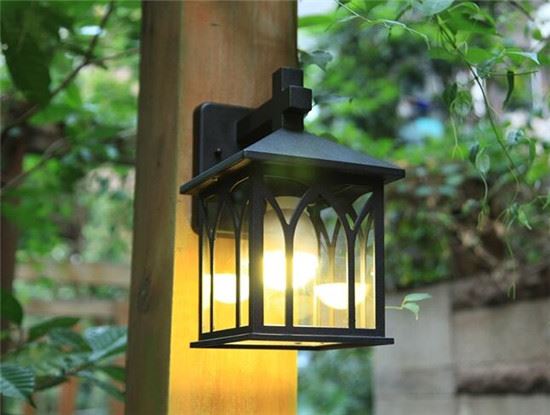
The Victorian era was a time of great social and technological change. With the invention of gas lighting and later, electric lighting, the design of decorative lighting sketch lamps underwent a significant transformation. Victorian lamps were often made of brass, bronze, or porcelain and were decorated with intricate patterns and motifs. The styles of Victorian lighting ranged from the Gothic Revival, with its pointed arches and elaborate tracery, to the Art Nouveau, which featured organic forms and flowing lines.
Victorian chandeliers were large and imposing, with multiple arms and shades. Table lamps and wall sconces were also popular, with designs that reflected the Victorian love of detail and ornamentation. The use of stained glass and Tiffany-style lampshades added a touch of color and warmth to Victorian homes.

Modern and Contemporary Styles
In the 20th century, modernist and contemporary styles emerged, emphasizing simplicity, functionality, and innovation. Modernist lighting designs often featured clean lines, geometric shapes, and the use of new materials such as plastic and aluminum. The Bauhaus movement, in particular, had a significant influence on modern lighting design, with its focus on form following function.
Contemporary lighting styles are even more diverse, ranging from minimalist designs to avant-garde creations. LED technology has revolutionized the lighting industry, allowing for more energy-efficient and versatile lighting solutions. Today, decorative lighting sketch lamps can be found in a wide variety of styles, from sleek and modern to rustic and industrial.
Our Product Offerings
As a supplier of decorative lighting sketch lamps, we offer a wide range of products that span across different historical styles. Our Flexible Dimmable Wall Lamp combines modern functionality with a touch of classic elegance. It features a flexible arm that allows you to adjust the direction of the light, making it perfect for reading or creating a cozy atmosphere.
Our Low-Maintenance Lighting Sketch Lamp is designed for those who want a hassle-free lighting solution. It uses energy-efficient LED bulbs and requires minimal maintenance, making it ideal for both residential and commercial spaces.
For outdoor lighting, our Eco-Friendly Ground-Buried Landscape Lamp is a great choice. It is made from sustainable materials and uses solar power to provide illumination, making it an environmentally friendly option for your garden or landscape.
Contact Us for Procurement
Whether you're looking for a lamp to complement a specific historical style or a modern lighting solution for your home or business, we have the perfect product for you. Our team of experts is dedicated to providing high-quality products and excellent customer service. If you're interested in purchasing our decorative lighting sketch lamps, please feel free to contact us for more information and to discuss your specific requirements. We look forward to working with you to create the perfect lighting solution for your space.
References
- Ackerman, D. (2007). A Natural History of the Senses. Vintage Books.
- Blau, J. (2009). The History of Lighting. Reaktion Books.
- Gloag, J. (1968). A Concise History of Interior Design. Thames & Hudson.


