

Testing the functionality of ground landscape-lamps for lawn before installation is a crucial step to ensure that they will perform optimally once they are in place. As a supplier of Ground Landscape-Lamp for Lawn, I understand the importance of this process. In this blog post, I will share some practical steps and tips on how to effectively test these lamps before installation.
1. Visual Inspection
The first step in testing ground landscape-lamps is a thorough visual inspection. Start by examining the lamps for any visible damage during the shipping process. Check the housing of the lamp for cracks, dents, or scratches. A damaged housing can lead to water ingress, which will ultimately damage the internal components and reduce the lifespan of the lamp.
Inspect the wiring as well. Look for any frayed wires, loose connections, or exposed conductors. Faulty wiring can not only cause the lamp to malfunction but also pose a safety hazard. If you notice any issues with the wiring, it's best to replace the lamp or have the wiring repaired by a professional.
2. Electrical Insulation Testing
Electrical insulation is vital for the safety of the ground landscape-lamps. Use a megohmmeter to measure the insulation resistance of the lamp. This test will help you determine if there are any leaks in the electrical insulation. A low insulation resistance value may indicate a problem, such as moisture ingress or damaged insulation.
To perform the test, first, make sure the lamp is disconnected from the power source. Connect the megohmmeter to the live and neutral wires of the lamp. Set the megohmmeter to the appropriate range and take the measurement. Compare the result with the manufacturer's specifications. If the insulation resistance is below the recommended value, the lamp should not be installed until the issue is resolved.
3. Light Output Testing
The primary function of ground landscape-lamps is to provide illumination. Therefore, testing the light output is essential. You can use a light meter to measure the illuminance of the lamp. Place the light meter at a specific distance from the lamp, as recommended by the manufacturer. This distance is usually based on the intended installation height and spacing of the lamps.
Turn on the lamp and let it stabilize for a few minutes. Then, take the light meter reading. Compare the measured illuminance with the manufacturer's stated value. If the measured illuminance is significantly lower, it could indicate a problem with the bulb or the electrical circuit.
Another aspect to consider is the color temperature of the light. Different color temperatures can create different atmospheres in the lawn. For example, a warm color temperature (around 2700K - 3000K) can create a cozy and inviting atmosphere, while a cool color temperature (around 5000K - 6500K) can provide a more modern and bright look. Use a color temperature meter to check if the lamp is producing light within the desired color temperature range.
4. Water Resistance Testing
Ground landscape-lamps for lawn are exposed to various weather conditions, including rain and moisture. Therefore, water resistance is a critical factor. Most ground landscape-lamps are rated with an IP (Ingress Protection) code, which indicates their level of protection against solids and liquids.
To test the water resistance of the lamp, you can simulate a rainy environment. Place the lamp in a container or a test chamber and spray water on it using a spray bottle or a water sprinkler. Make sure to spray water from different angles and for a sufficient amount of time to mimic a heavy rain. After the test, check the lamp for any signs of water ingress. If there is water inside the lamp housing, it means the lamp does not meet the required water resistance standard and should not be installed.
5. Durability Testing
Since the ground landscape-lamps will be installed in the lawn and may be exposed to physical impacts, durability testing is necessary. You can perform a simple impact test by dropping a small, weighted object from a certain height onto the lamp housing. Be careful not to use too heavy an object that could cause excessive damage.
After the impact test, check the lamp for any visible damage and test its functionality again. If the lamp still works properly and there is no significant damage to the housing, it indicates that the lamp has good durability.
6. Energy Efficiency Testing
As a supplier, we also emphasize the importance of energy efficiency. Energy Saving Landscape-Lamp For Garden is an option that many customers are interested in. To test the energy efficiency of the ground landscape-lamps, use a power meter to measure the power consumption of the lamp.
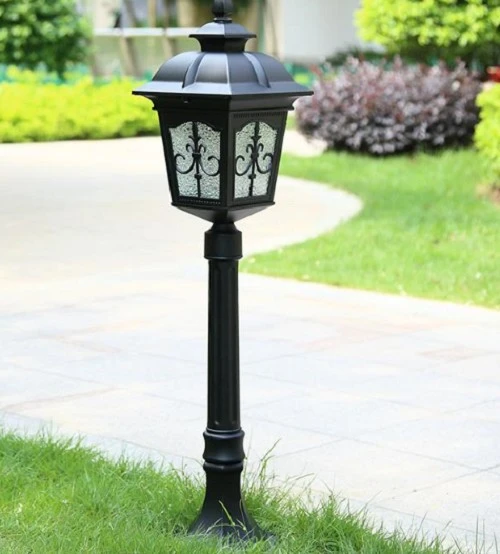
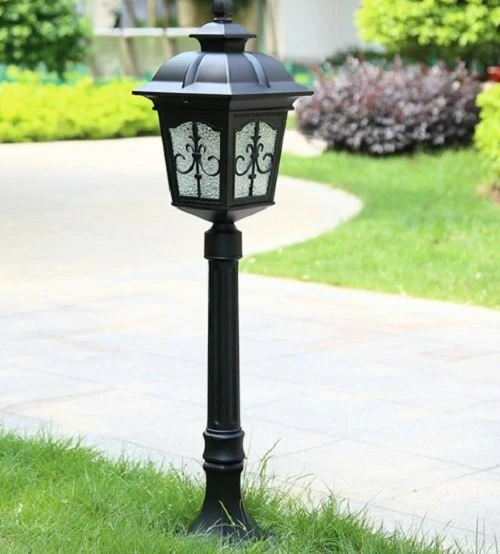
Compare the power consumption with the light output. A more energy - efficient lamp should produce a high level of illuminance with relatively low power consumption. This not only helps the customers save on electricity costs but also reduces the environmental impact.
7. Compatibility Testing
If you are planning to install multiple ground landscape-lamps in a system, compatibility testing is essential. Check if the lamps are designed to work together in a parallel or series circuit. Connect a few lamps together according to the recommended wiring method and test the entire system.
Make sure that all the lamps are illuminated evenly and that there are no issues with flickering or dimming. If you encounter any problems, it could be due to incompatible lamps or incorrect wiring.
Conclusion
Testing the functionality of ground landscape-lamps for lawn before installation is a comprehensive process that involves visual inspection, electrical testing, light output testing, water resistance testing, durability testing, energy efficiency testing, and compatibility testing. By following these steps, you can ensure that the lamps you install will provide reliable and high - quality illumination for your lawn.
As a supplier of Ground Landscape-Lamp for Lawn and Eco-Friendly Ground-Buried Landscape Lamp, we are committed to providing you with the best products. If you have any questions about our products or need further assistance with testing and installation, please feel free to contact us for procurement and in - depth discussions.
References
- Lighting Industry Association. Lighting Handbook for Outdoor Spaces.
- National Electrical Code. Standards for Electrical Equipment Installation.
- Manufacturer's Manuals for Ground Landscape - Lamps.


