

Optimizing the lighting effect of outdoor tunable landscape lamps is crucial for creating captivating and functional outdoor spaces. As a leading outdoor tunable landscape - lamp supplier, I have witnessed firsthand the transformative power of well - designed lighting in outdoor settings. In this blog, I will share some professional insights on how to optimize the lighting effect of these lamps.

Understanding the Basics of Outdoor Tunable Landscape Lamps
Outdoor tunable landscape lamps offer a high degree of flexibility in terms of light color, intensity, and distribution. They can be adjusted to suit different times of the day, seasons, and specific event requirements. Before diving into optimization strategies, it's essential to understand the key features of these lamps.
Tunable lamps typically allow for adjustment of color temperature, which can range from warm white (around 2700K - 3000K) to cool white (around 5000K - 6500K). Warm white light creates a cozy and inviting atmosphere, making it suitable for evening gatherings and areas where relaxation is the goal. Cool white light, on the other hand, provides a more energetic and vibrant feel, which is great for highlighting architectural features or creating a modern look.
In addition to color temperature, the intensity of the light can also be adjusted. This is important for controlling the level of illumination in different areas of the outdoor space. For example, pathways may require lower - intensity lighting for safety, while focal points such as sculptures or water features may need higher - intensity light to stand out.
Site Analysis and Planning
The first step in optimizing the lighting effect is to conduct a thorough site analysis. This involves understanding the layout of the outdoor space, the existing architecture, and the natural features. Identify the key areas that you want to highlight, such as entrances, gardens, or seating areas.
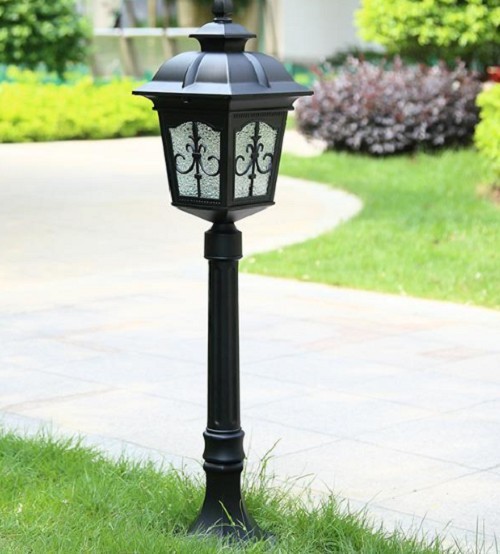
Consider the natural light conditions at different times of the day. For instance, if there are large trees that cast shadows during the day, you may need to place the lamps strategically to ensure even illumination in the evenings. Also, take into account the orientation of the site in relation to the sun. This can help you determine the best placement for lamps to avoid glare and create a balanced lighting scheme.
Once you have a clear understanding of the site, create a lighting plan. Sketch out the proposed locations of the lamps and note the desired lighting effects for each area. This plan will serve as a guide during the installation process and help you achieve a cohesive and effective lighting design.
Selecting the Right Lamps
As an outdoor tunable landscape - lamp supplier, I know that choosing the right lamps is crucial for optimizing the lighting effect. There are various types of lamps available, each with its own characteristics and applications.
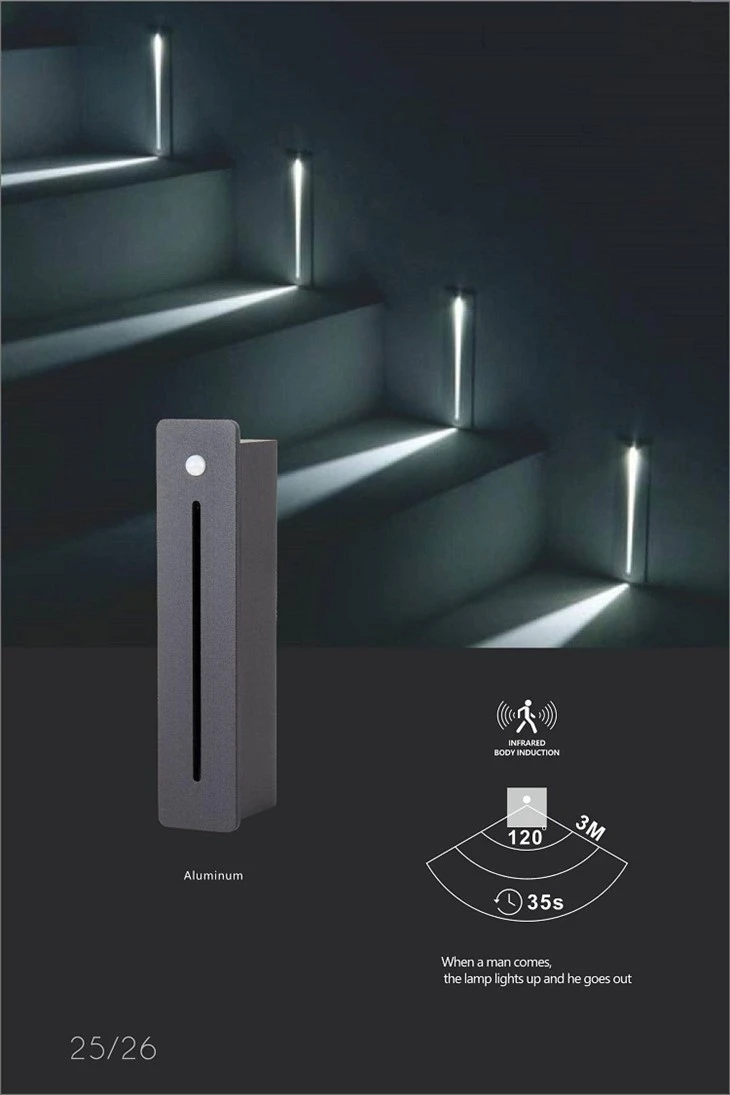
- Low - Power Outdoor Ground - Buried Landscape Lamp: These lamps are designed to be installed in the ground, providing subtle and low - level lighting. They are ideal for highlighting pathways, flower beds, or the edges of terraces. Their low power consumption makes them energy - efficient, and they can be easily adjusted to create different lighting patterns.
- Decorative Lighting Sketch Lamp: These lamps are more focused on creating a decorative effect. They can be used to add a touch of artistry to the outdoor space, such as by projecting patterns or creating a soft glow around a particular area. They are often used in combination with other types of lamps to enhance the overall aesthetic.
- Waterproof Foot Lamp: As the name suggests, these lamps are waterproof and are typically installed at a low height, near the ground. They are great for providing illumination in areas where people walk, such as around pools or on decks. Their waterproof design ensures durability and safety in wet conditions.
When selecting lamps, consider the color temperature, beam angle, and light output. Make sure the lamps are compatible with the tunable lighting system you plan to use.
Placement and Installation
Proper placement and installation of the lamps are essential for achieving the desired lighting effect. Here are some tips:
- Highlight Key Features: Place lamps to highlight the most important elements of the outdoor space. For example, if you have a beautiful fountain, use a spotlight to illuminate it from different angles. This will create a dramatic effect and draw attention to the feature.
- Avoid Glare: Glare can be a major issue in outdoor lighting. To avoid it, position the lamps in such a way that the light is directed away from the eyes of people in the area. For example, when lighting a pathway, place the lamps on the side rather than directly in front of the path.
- Create Layers of Light: Use a combination of different types of lamps to create layers of light. For example, use ground - buried lamps for a soft base light, wall - mounted lamps to highlight vertical surfaces, and spotlights for focal points. This will add depth and dimension to the outdoor space.
- Follow Safety Guidelines: Ensure that the lamps are installed according to safety standards. This includes proper grounding, using waterproof connectors, and following the manufacturer's instructions for installation.
Lighting Control Systems
Investing in a good lighting control system is another important aspect of optimizing the lighting effect. A lighting control system allows you to adjust the color, intensity, and timing of the lamps easily.
There are several types of lighting control systems available, including manual controls, remote controls, and smart home integration. Manual controls are the simplest option and are suitable for small outdoor spaces. Remote controls offer more convenience, allowing you to adjust the lighting from a distance. Smart home integration, on the other hand, enables you to control the lighting using your smartphone or voice commands.
With a lighting control system, you can create different lighting scenes for different occasions. For example, you can set a romantic scene for a dinner party with warm, dim light or a bright, energetic scene for a daytime event.
Maintenance and Monitoring
Regular maintenance and monitoring are necessary to ensure that the lighting effect remains optimal over time. Here are some maintenance tips:
- Clean the Lamps: Dust and dirt can accumulate on the lamps, reducing their light output. Clean the lamps regularly using a soft cloth and a mild cleaning solution.
- Check the Wiring: Inspect the wiring periodically for any signs of damage or wear. Replace any damaged wires immediately to prevent safety hazards.
- Monitor the Performance: Keep an eye on the performance of the lamps. If you notice any changes in the color, intensity, or flickering of the light, investigate the issue and make the necessary adjustments or repairs.
Conclusion
Optimizing the lighting effect of outdoor tunable landscape lamps requires a combination of careful planning, the right selection of lamps, proper installation, and effective control systems. By following the strategies outlined in this blog, you can create a beautiful and functional outdoor space that is enhanced by the magic of well - designed lighting.
If you are interested in purchasing high - quality outdoor tunable landscape lamps or need more advice on lighting optimization, please feel free to contact us for a detailed discussion and procurement negotiation. We are committed to providing you with the best products and solutions to meet your outdoor lighting needs.
References
- IES Lighting Handbook, Illuminating Engineering Society.
- Outdoor Lighting Design: Principles and Practices, by a well - known lighting design expert.


