

Hey there! As a supplier of full color metal LED wall washers, I've seen firsthand how these lighting fixtures can transform a space. But getting that perfect lighting effect isn't always a walk in the park. That's why I'm here to share some tips on how to optimize the lighting effect of a full color metal LED wall washer.
Understanding Your LED Wall Washer
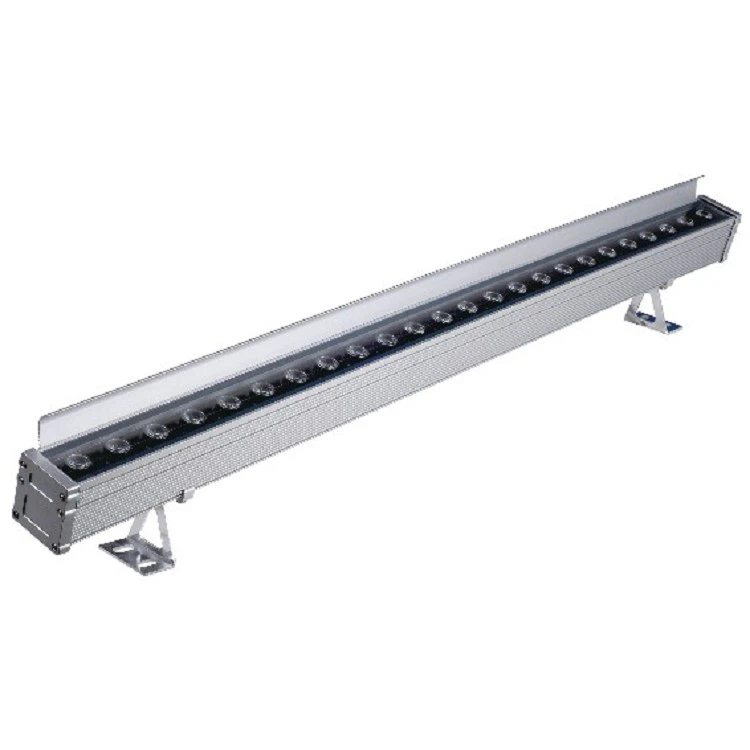
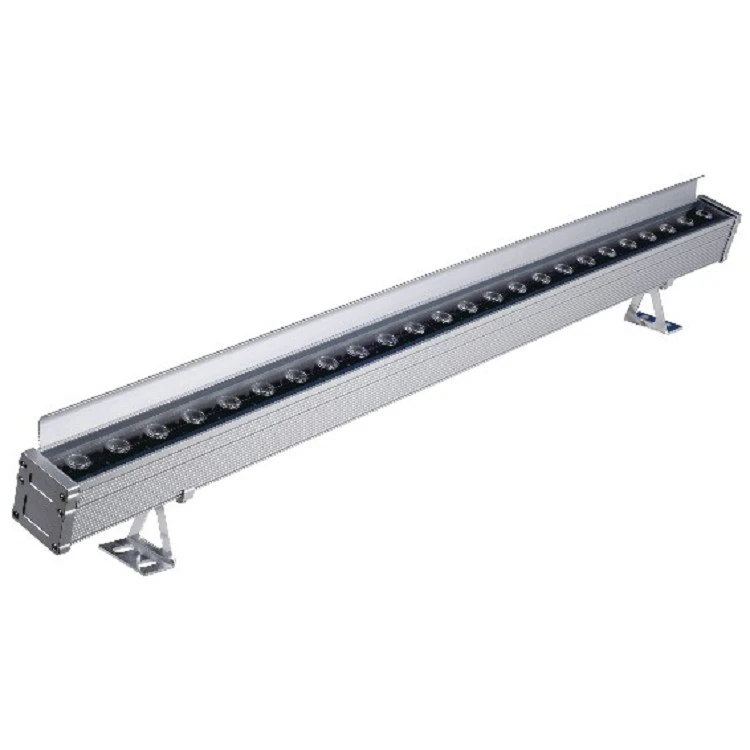
First things first, you need to understand what makes your full color metal LED wall washer tick. These bad boys are designed to illuminate large vertical surfaces, like walls or facades, with a wash of light. The "full color" part means they can produce a wide range of colors, thanks to their RGB (red, green, blue) LEDs. The metal housing not only gives them a sleek look but also provides durability and heat dissipation.
One of the key features of a full color metal LED wall washer is its color mixing ability. By adjusting the intensity of the red, green, and blue LEDs, you can create millions of different colors. This is great for creating dynamic lighting effects, like color-changing displays or static colors that match your brand or event theme.
Placement and Mounting
The placement and mounting of your LED wall washer play a huge role in the lighting effect. You want to make sure it's positioned at the right height and angle to achieve the desired coverage and intensity.
Height
The height at which you mount your wall washer depends on the height of the wall you're illuminating and the beam angle of the fixture. As a general rule of thumb, for a standard 90-degree beam angle, you should mount the wall washer about one-third of the wall height from the top. This will ensure even coverage from top to bottom.
Angle
The angle of the wall washer is also important. You want to aim it so that the light spreads evenly across the wall. If you're illuminating a flat wall, a horizontal angle of about 30 to 45 degrees is usually a good starting point. For curved or irregular walls, you may need to adjust the angle accordingly.
Spacing
If you're using multiple wall washers to illuminate a large area, the spacing between them is crucial. You want to make sure there are no dark spots or overlapping areas. A good rule of thumb is to space the wall washers about two to three times the height of the wall apart.
Controlling the Color and Intensity
Once you've got your wall washer in the right place, it's time to play around with the color and intensity. Most full color metal LED wall washers come with a controller that allows you to adjust these settings.
Color
As I mentioned earlier, the RGB LEDs in your wall washer can produce millions of different colors. You can choose a static color that matches your brand or event theme, or you can create a dynamic color-changing display. Some controllers even allow you to program custom color sequences or patterns.
Intensity
The intensity of the light can also have a big impact on the lighting effect. You may want to adjust the intensity depending on the time of day, the mood you're trying to create, or the visibility requirements of the space. For example, you may want a higher intensity during the day or for a high-energy event, and a lower intensity at night or for a more relaxing atmosphere.
Choosing the Right Accessories
There are several accessories that can help you optimize the lighting effect of your full color metal LED wall washer.
Lenses
Lenses can be used to control the beam angle and spread of the light. For example, a narrow beam lens can be used to create a more focused, spotlight effect, while a wide beam lens can be used to cover a larger area.
Diffusers
Diffusers can be used to soften the light and reduce glare. This is especially useful if you're using the wall washer in a space where people will be looking directly at the light, like a lobby or a museum.
Mounting Brackets
Mounting brackets can be used to adjust the angle and position of the wall washer. This is useful if you need to make fine adjustments to the lighting effect or if you're mounting the wall washer on a non-standard surface.
Maintenance and Upkeep
Finally, it's important to keep your full color metal LED wall washer in good working condition. This will ensure that it continues to provide optimal lighting effects for years to come.
Cleaning
Regular cleaning is essential to keep the wall washer looking its best and to prevent dust and dirt from affecting the light output. You can use a soft, dry cloth to wipe down the housing and lenses. Avoid using abrasive cleaners or solvents, as these can damage the finish.
Inspection
Periodically inspect the wall washer for any signs of damage or wear. Check the wiring, connections, and mounting hardware to make sure everything is secure. If you notice any problems, contact a professional for repairs.
Upgrades
As technology advances, you may want to consider upgrading your wall washer to take advantage of new features and improvements. For example, newer models may offer better color mixing, higher energy efficiency, or more advanced control options.
Our Product Range
At our company, we offer a wide range of full color metal LED wall washers to suit your needs. Some of our popular products include the Hex Flexible LED Wall Washer, which is perfect for creating unique and dynamic lighting effects on curved surfaces. We also have the Energy Saving Remote Control LED Wall Washer, which allows you to control the color and intensity of the light from a distance, saving you time and energy. And if you're looking for a more decorative option, check out our Decorative Alloy LED Wall Washer, which features a stylish alloy housing that adds a touch of elegance to any space.
Contact Us for Procurement
If you're interested in purchasing our full color metal LED wall washers or have any questions about optimizing the lighting effect, please don't hesitate to contact us. We're here to help you create the perfect lighting solution for your project.
References
- "LED Lighting Handbook" by John Bullough and Nadarajah Narendran
- "Lighting Basics" by the Illuminating Engineering Society of North America


