As a seasoned supplier of decorative lighting sketch lamps, I am thrilled to share with you the art and science of creating a warm-toned decorative lighting sketch lamp. In this blog post, I'll guide you through the entire process, from understanding the importance of warm tones to the practical steps of bringing your sketch lamp to life.
Why Warm Tones Matter in Decorative Lighting
Warm tones in lighting have a unique ability to transform a space. They evoke a sense of comfort, relaxation, and intimacy, making them ideal for both residential and commercial settings. Warm light, typically in the range of 2700K - 3000K, mimics the soft glow of candlelight, creating a cozy and inviting atmosphere.
In a home, a warm-toned decorative lighting sketch lamp can serve as a focal point in a living room, bedroom, or study. It can enhance the ambiance of a space, making it feel more welcoming and comfortable. In a commercial setting, such as a restaurant or a café, warm lighting can create a pleasant dining experience, encouraging customers to stay longer and enjoy their meals.
Understanding the Basics of Sketch Lamp Design
Before you start creating your warm-toned decorative lighting sketch lamp, it's important to understand the basic elements of lamp design. A sketch lamp typically consists of three main components: the base, the stem, and the shade. Each component plays a crucial role in the overall design and functionality of the lamp.
The base is the foundation of the lamp. It provides stability and support for the stem and the shade. When choosing a base for your sketch lamp, consider the size, weight, and style of the lamp. A heavy base is ideal for a tall or large lamp, while a lightweight base may be suitable for a smaller lamp.
The stem is the vertical part of the lamp that connects the base to the shade. It can be straight, curved, or twisted, depending on the design of the lamp. The stem also houses the electrical wiring and the light source. When selecting a stem for your sketch lamp, consider the height, thickness, and material of the stem.
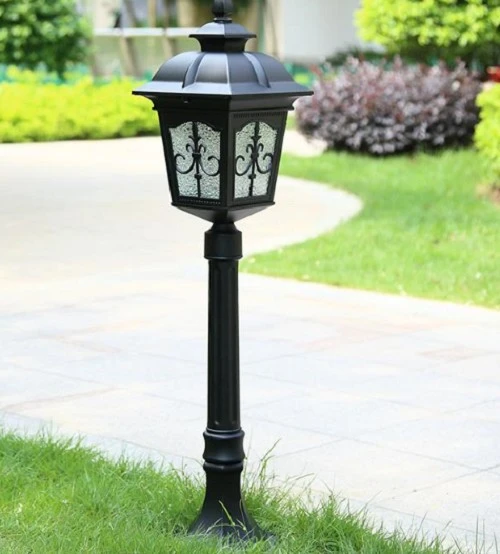
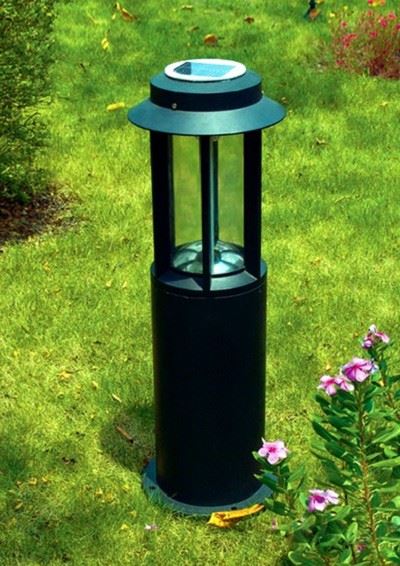
The shade is the part of the lamp that covers the light source. It can be made of a variety of materials, such as fabric, paper, glass, or metal. The shade not only diffuses the light but also adds a decorative element to the lamp. When choosing a shade for your sketch lamp, consider the shape, size, color, and pattern of the shade.
Selecting the Right Materials for Your Sketch Lamp
Once you have a clear understanding of the basic elements of sketch lamp design, it's time to select the right materials for your lamp. When creating a warm-toned decorative lighting sketch lamp, it's important to choose materials that will enhance the warmth and softness of the light.
For the base, you can choose from a variety of materials, such as wood, metal, ceramic, or stone. Wood is a popular choice for its natural warmth and beauty, while metal can add a modern and industrial touch to the lamp. Ceramic and stone bases are also durable and can provide a unique and elegant look to the lamp.
For the stem, you can use materials such as wood, metal, or plastic. Wood stems can add a rustic and natural feel to the lamp, while metal stems can provide a sleek and contemporary look. Plastic stems are lightweight and affordable, making them a popular choice for DIY projects.
For the shade, you can choose from a variety of materials, such as fabric, paper, glass, or metal. Fabric shades are soft and diffused, creating a warm and inviting atmosphere. Paper shades can add a delicate and whimsical touch to the lamp, while glass shades can provide a more modern and sophisticated look. Metal shades can add a bold and industrial element to the lamp.
Creating a Sketch for Your Lamp
Before you start building your warm-toned decorative lighting sketch lamp, it's important to create a sketch of the lamp. A sketch will help you visualize the design of the lamp and ensure that all the components fit together properly.
Start by drawing a rough sketch of the lamp on a piece of paper. Include the base, the stem, and the shade in your sketch. Pay attention to the proportions and dimensions of each component. You can also add details, such as the shape of the base, the curvature of the stem, and the pattern of the shade.
Once you have a rough sketch of the lamp, you can refine the design by adding more details and making adjustments. You can also experiment with different colors and materials to see how they will look together.
Building Your Sketch Lamp
Now that you have a sketch of your lamp and have selected the right materials, it's time to start building your warm-toned decorative lighting sketch lamp. Here are the general steps to follow:
- Prepare the Base: If you're using a wooden base, sand it smooth and apply a coat of paint or stain to protect the wood. If you're using a metal base, clean it with a degreaser and apply a coat of primer and paint.
- Attach the Stem: Drill a hole in the center of the base and insert the stem. Secure the stem to the base using screws or glue.
- Install the Electrical Wiring: Follow the manufacturer's instructions to install the electrical wiring in the stem. Make sure to connect the wiring to the light source and the switch.
- Attach the Shade: Place the shade on top of the stem and secure it using a finial or a clip. Make sure the shade is centered and level.
- Test the Lamp: Plug in the lamp and turn on the switch to test the light. If the light doesn't work, check the wiring and the light source.
Adding Warmth to Your Sketch Lamp
To create a warm-toned decorative lighting sketch lamp, you can use a variety of techniques to add warmth to the light. Here are some tips:
- Choose a Warm Light Source: Select a light bulb with a color temperature in the range of 2700K - 3000K. This will give the light a warm and cozy glow.
- Use a Diffuser: A diffuser is a material that softens and scatters the light. You can use a diffuser, such as a fabric shade or a frosted glass shade, to create a warm and inviting atmosphere.
- Add Decorative Elements: You can add decorative elements, such as beads, crystals, or ribbons, to the lamp to enhance its warmth and beauty.
Conclusion
Creating a warm-toned decorative lighting sketch lamp is a fun and rewarding project that allows you to express your creativity and style. By following the steps outlined in this blog post, you can create a unique and beautiful lamp that will add a touch of warmth and charm to any space.
If you're interested in purchasing high-quality decorative lighting sketch lamps or other lighting products, we invite you to explore our website. We offer a wide range of Ground Landscape-Lamp for Lawn, Explosion Proof Aluminum Landscape-Lamp, and Induction Foot Lamp with Motion Sensor. Our products are designed to meet the highest standards of quality and style, and we're committed to providing our customers with the best possible service.
If you have any questions or would like to discuss your lighting needs, please don't hesitate to contact us. We look forward to working with you to create the perfect lighting solution for your home or business.
References
- Lighting Design Basics: A Comprehensive Guide. (n.d.). Retrieved from [Website Name]
- How to Choose the Right Light Bulb. (n.d.). Retrieved from [Website Name]
- DIY Lamp Making: A Step-by-Step Guide. (n.d.). Retrieved from [Website Name]