

When it comes to creating an enchanting outdoor space, the right choice of ground landscape lamps for your lawn can make all the difference. As a trusted supplier of ground landscape lamps for lawns, I understand the importance of selecting the appropriate brightness to achieve the desired aesthetic and functional outcomes. In this blog post, I will share some valuable insights on how to choose the right brightness of ground landscape lamps for your lawn.
Understanding the Basics of Lighting Brightness
Before delving into the selection process, it's essential to understand the fundamental concepts related to lighting brightness. The brightness of a light source is typically measured in lumens. Lumens represent the total amount of visible light emitted by a lamp. The higher the lumen value, the brighter the light.
Another important factor to consider is the color temperature of the light, which is measured in Kelvin (K). Color temperature affects the perceived warmth or coolness of the light. Lower Kelvin values (around 2700K - 3000K) produce a warm, yellowish light, similar to traditional incandescent bulbs, which can create a cozy and inviting atmosphere. Higher Kelvin values (5000K - 6500K) result in a cooler, bluish - white light, which is often used for task lighting or to create a more modern look.
Assessing Your Lawn's Needs
The first step in choosing the right brightness is to assess the specific needs of your lawn. Consider the following aspects:
Purpose of Lighting
- Safety and Security: If the primary purpose of the landscape lighting is to enhance safety and security, you'll need brighter lights. Areas such as walkways, driveways, and entrances should be well - lit to prevent tripping hazards and deter potential intruders. For these areas, aim for lamps with a lumen output of at least 100 - 300 lumens per fixture.
- Aesthetic Enhancement: If you're looking to create a beautiful and inviting ambiance, you can opt for lower - brightness lights. Soft, subtle lighting can highlight the natural features of your lawn, such as flower beds, trees, and shrubs. In this case, lamps with 20 - 100 lumens per fixture can be sufficient.
Lawn Size and Layout
- Small Lawns: In smaller lawns, you don't need extremely bright lights as they can create an overwhelming effect. A few low - lumen fixtures strategically placed can add a touch of charm. For example, a small patio or a compact garden area may only require lights with 20 - 50 lumens each.
- Large Lawns: Larger lawns may need more substantial lighting to cover the area effectively. You can use a combination of brighter and dimmer lights. For open areas, consider using lamps with 300 - 500 lumens, while for more secluded corners, 50 - 100 lumen lights can work well.
Surrounding Environment
- Dark Areas: If your lawn is surrounded by tall buildings or dense trees that block out natural light, you'll need brighter landscape lamps. This will ensure that the area remains well - lit and visible at night.
- Well - Lit Neighborhoods: In neighborhoods with ample street lighting, you may be able to get away with lower - brightness landscape lamps, as there is already some ambient light available.
Types of Ground Landscape Lamps and Their Brightness Considerations
There are several types of ground landscape lamps available, each with its own brightness characteristics.
Path Lights
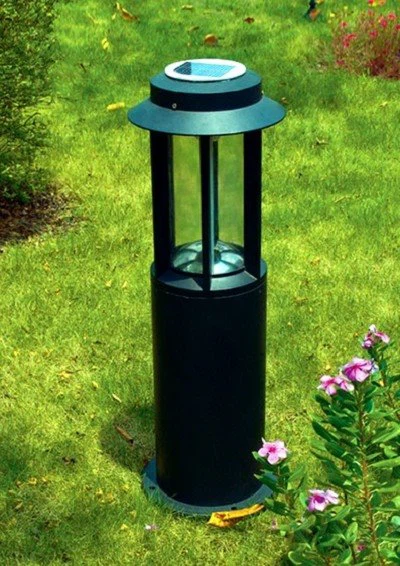
Path lights are used to illuminate walkways and provide guidance. They are typically low - profile and emit a downward - facing light. For path lights, a brightness of 50 - 200 lumens per fixture is usually sufficient. This level of brightness allows people to see the path clearly without being overly glaring. Our [Programmable Ground - Buried Landscape Lamp](/landscape - lamp/programmable - ground - buried - landscape - lamp.html) is an excellent choice for path lighting, as it offers customizable lighting effects and the right amount of brightness.
Uplights
Uplights are used to highlight trees, statues, or architectural features. They are placed at the base of the object and shine upward. Uplights can vary in brightness depending on the size of the object being illuminated. For small shrubs or statues, 50 - 100 lumens may be enough, while for large trees, you may need 200 - 500 lumens or more.
Spotlights
Spotlights are designed to focus a narrow beam of light on a specific area or object. They are often used for highlighting focal points in the lawn, such as a flower bed or a water feature. Spotlights can have a high lumen output, ranging from 100 - 1000 lumens or more, depending on the distance and size of the area to be illuminated.
Wall Lights
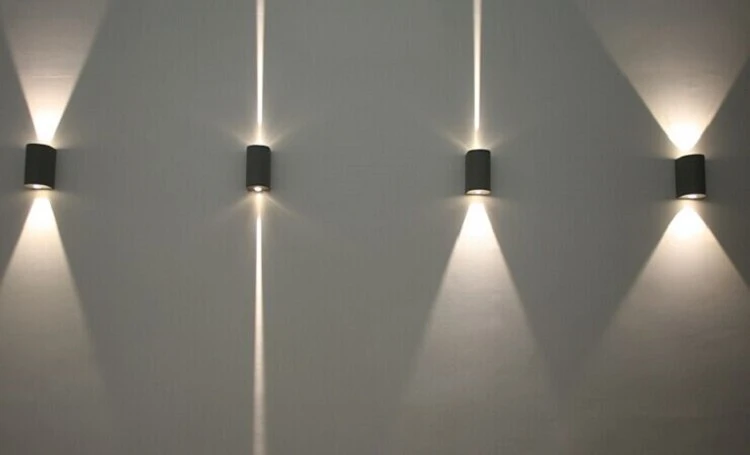
Wall lights can be used to illuminate the sides of buildings or structures in the lawn. They can also add a decorative touch. Our [Energy - Efficient Wall Lamp](/landscape - lamp/energy - efficient - wall - lamp.html) is a great option, with a brightness range that can be adjusted according to your needs. For general wall illumination, 100 - 300 lumens per fixture is usually appropriate.
Smart Lighting Options
In recent years, smart lighting has become increasingly popular in landscape lighting. Smart ground landscape lamps offer several advantages when it comes to brightness control. You can adjust the brightness of the lights remotely using a smartphone app or a smart home system. This allows you to create different lighting scenes for various occasions, such as a romantic dinner on the patio or a lively party in the lawn. Our [Smart City Decoration Landscape Lamp](/landscape - lamp/smart - city - decoration - landscape - lamp.html) is a prime example of a smart lighting solution that offers customizable brightness and color options.
Energy Efficiency and Brightness
While choosing the right brightness is important, it's also crucial to consider energy efficiency. LED landscape lamps are a popular choice as they consume less energy compared to traditional incandescent or halogen bulbs. LED lamps can provide the same level of brightness at a fraction of the energy cost. When selecting landscape lamps, look for those with a high energy - efficiency rating. This not only helps you save on electricity bills but also reduces your environmental impact.
Testing and Adjusting
Once you've installed the ground landscape lamps, it's a good idea to test the lighting at different times of the night and under various weather conditions. You may find that you need to make some adjustments to the brightness or the placement of the lamps. For example, if a particular area is too bright or too dim, you can either change the bulbs to ones with a different lumen output or reposition the fixtures.
Conclusion
Choosing the right brightness of ground landscape lamps for your lawn is a combination of understanding your specific needs, considering the type of lamps, and factoring in energy efficiency. By following the guidelines outlined in this blog post, you can create a beautiful and functional outdoor space that is well - lit and inviting.
If you're interested in purchasing high - quality ground landscape lamps for your lawn, we'd love to hear from you. Whether you have questions about brightness, lamp types, or installation, our team of experts is here to assist you. Contact us to start the procurement process and transform your lawn into a magical outdoor oasis.
References
- Lighting Basics: Understanding Lumens and Color Temperature. Available at lighting industry publications.
- Landscape Lighting Design Principles. Landscape architecture books and online resources.


