Sketching a decorative lighting lamp is a blend of art and precision, and one of the most common questions I get as a decorative lighting sketch lamp supplier is, "How long does it usually take to sketch a decorative lighting lamp?" Well, the answer isn't as straightforward as you might think. It depends on a bunch of factors, and I'm gonna break them down for you.
Complexity of the Design
The first and most obvious factor is the complexity of the lamp's design. If we're talking about a simple, minimalist lamp with clean lines and basic shapes, the sketching process can be relatively quick. I've done sketches of these types in as little as an hour. These lamps usually have a straightforward structure, and there aren't a lot of intricate details to work out.
On the other hand, if the design is elaborate, with lots of curves, patterns, and unique elements, it can take much longer. For instance, a lamp inspired by a baroque style, with ornate carvings and detailed motifs, could take anywhere from 8 to 12 hours or even more. Each little detail needs to be carefully drawn and refined to ensure it looks just right.
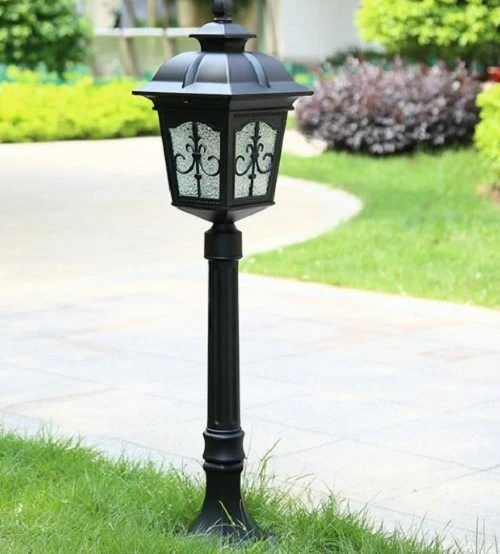
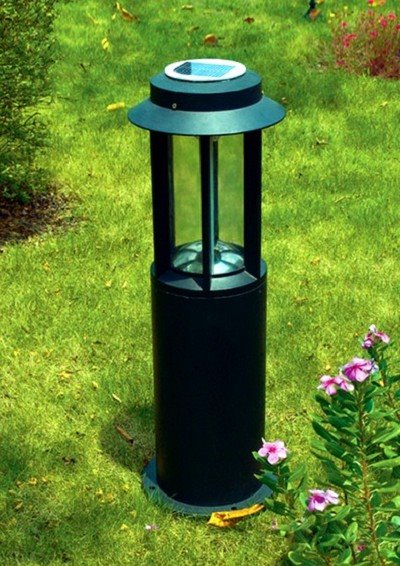
Let's say you want a lamp that incorporates a specific theme, like a nature-inspired design with leaves and flowers. Sketching all those organic shapes and making them look realistic can be time - consuming. You have to consider the proportions, the way the light would interact with the different parts of the design, and how everything fits together.
Experience of the Designer
Another big factor is the experience of the person doing the sketch. A seasoned designer who's been in the business for years is likely to work much faster than someone who's just starting out. An experienced designer has a wealth of knowledge and techniques at their disposal. They know how to quickly visualize the final product and translate it onto paper.
I've been sketching decorative lighting lamps for over a decade, and I've developed a sort of intuition for it. I can look at a rough idea and start sketching it out in no time. I know which tools to use, how to make adjustments on the fly, and how to create a sketch that accurately represents the lamp.
In contrast, a novice designer might spend a lot of time figuring out the basic drawing techniques, such as how to draw straight lines or how to shade properly. They might also struggle with coming up with creative ideas and translating them into a coherent design. So, for a beginner, a simple lamp sketch could take 3 to 4 hours, while a complex one might take days.
Client Requirements and Revisions
Client requirements play a huge role in how long the sketching process takes. Sometimes, clients have very specific ideas about what they want in a lamp. They might have a detailed list of features, colors, and materials. In these cases, the designer has to make sure the sketch meets all of these requirements.
For example, a client might want a lamp that matches the color scheme of their living room, or one that uses a particular type of glass. This means the designer has to do some research and make sure the sketch reflects these details. If the client also requests multiple views of the lamp, such as a front view, a side view, and a top view, it will add more time to the process.
Revisions are also a common part of the sketching process. Clients might look at the initial sketch and ask for changes. Maybe they want to change the shape of the base, or they want to add more decorative elements. Each revision takes time, as the designer has to go back and make the necessary adjustments. Sometimes, it might take several rounds of revisions before the client is satisfied.
Tools and Technology
The tools and technology used for sketching can also impact the time it takes. Traditional sketching with pencils and paper can be a slow but rewarding process. It allows for a lot of creativity and a personal touch. However, it also requires more time for erasing, shading, and making corrections.
On the other hand, digital sketching tools can speed up the process significantly. With software like Adobe Illustrator or SketchUp, designers can easily make changes, duplicate elements, and add colors and textures. They can also create 3D models of the lamp, which gives clients a better idea of what the final product will look like.
I use a combination of both traditional and digital tools in my work. I usually start with a rough sketch on paper to get the basic idea down, and then I transfer it to a digital platform for further refinement. This hybrid approach allows me to take advantage of the best of both worlds.
Examples of Our Products
At our company, we offer a wide range of decorative lighting lamps. Check out our LED Durable Underwater Lamp, which is perfect for adding a unique touch to your pool or pond. The sketching process for this lamp was relatively quick because of its simple and functional design. It took about 2 hours to sketch, including some initial concept development.
Our Energy Saving Landscape - Lamp for Garden is another great option. It has a more complex design, with a stylish shape and some decorative elements. Sketching this lamp took around 6 hours, with a few rounds of revisions based on client feedback.
And then there's our Eco - Friendly Ground - Buried Landscape Lamp. This lamp has a very detailed design, with a focus on energy efficiency and environmental friendliness. Sketching it was a more involved process, taking about 10 hours in total.
Conclusion
So, to sum it up, there's no one - size - fits - all answer to how long it takes to sketch a decorative lighting lamp. It can range from as little as an hour for a simple design to over 12 hours for a complex, detailed one. Factors like design complexity, designer experience, client requirements, and the tools used all play a role in determining the time.
If you're interested in our decorative lighting sketch lamps and want to discuss a custom design, don't hesitate to reach out. We're always happy to work with clients to bring their ideas to life. Whether you have a rough concept or a detailed plan, we can help you create the perfect lamp for your space.
References
- Personal experience as a decorative lighting sketch lamp supplier
- Industry knowledge and best practices in lamp design and sketching