As a supplier of solar alloy LED wall washers, I've received numerous inquiries about how our products perform in dusty environments. This blog aims to provide a comprehensive analysis of their performance and shed light on the key factors that influence it.
Understanding the Challenges of Dusty Environments
Dusty environments pose several challenges to electronic devices, including LED wall washers. Dust particles can accumulate on the surface of the fixtures, blocking the light output and reducing the overall brightness. Over time, dust can also penetrate the internal components of the wall washer, causing damage to the electrical circuits and reducing the lifespan of the product.
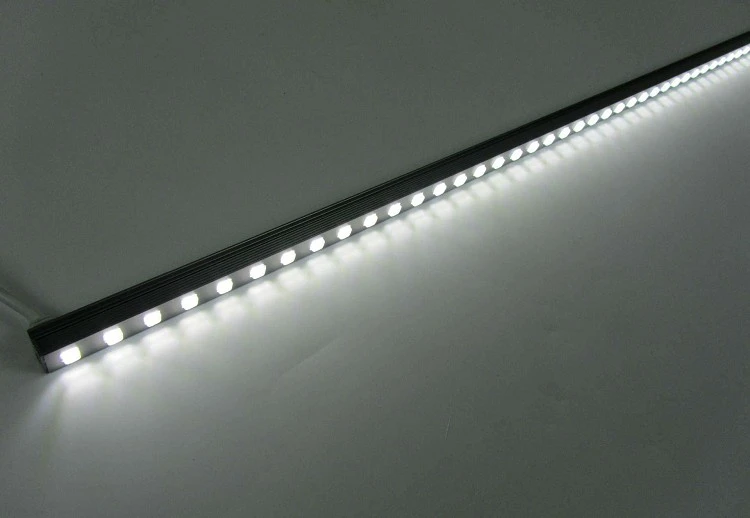
In addition to the physical damage, dust can also affect the performance of the LED chips. Dust particles can absorb and scatter light, reducing the efficiency of the LEDs and causing color distortion. This can result in a less vibrant and uniform lighting effect, which is particularly noticeable in applications where color accuracy is crucial.
How Solar Alloy LED Wall Washers Are Designed to Withstand Dust
Our solar alloy LED wall washers are specifically designed to withstand the challenges of dusty environments. Here are some of the key features that make them suitable for such conditions:
Robust Enclosure
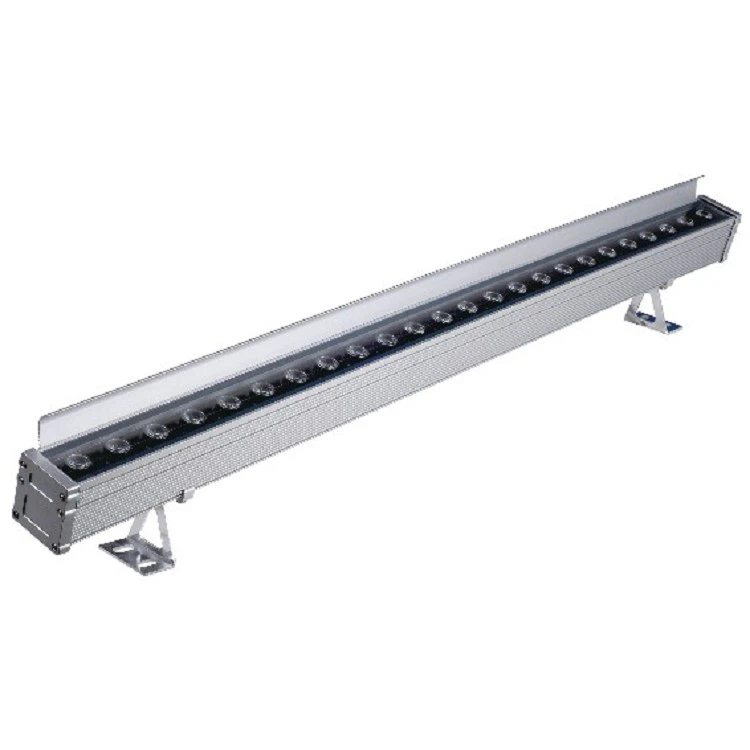
The wall washers are housed in a durable alloy enclosure that provides excellent protection against dust and other environmental factors. The enclosure is designed to be IP65 rated, which means it is dust-tight and protected against low-pressure water jets from any direction. This ensures that the internal components of the wall washer are shielded from dust and moisture, preventing damage and ensuring reliable operation.
High-Quality Sealing
To further enhance the dust resistance of the wall washers, we use high-quality sealing materials to prevent dust from entering the enclosure. The seals are designed to be tight and durable, ensuring a long-lasting and effective barrier against dust and moisture.
Advanced Cooling System
Dust can also affect the cooling performance of the LED wall washers, which can lead to overheating and reduced lifespan. To address this issue, our wall washers are equipped with an advanced cooling system that helps to dissipate heat effectively. The cooling system consists of a heat sink and a fan, which work together to keep the LED chips at a safe operating temperature.
Anti-Dust Coating
In addition to the physical protection provided by the enclosure and sealing, our wall washers are also coated with an anti-dust material that helps to repel dust particles. The coating is designed to be hydrophobic, which means it repels water and dust, preventing them from adhering to the surface of the wall washer. This makes it easier to clean the wall washer and maintain its performance over time.
Performance Testing in Dusty Environments
To ensure that our solar alloy LED wall washers meet the highest standards of performance in dusty environments, we conduct extensive testing in our state-of-the-art laboratory. During the testing process, we simulate real-world dusty conditions by exposing the wall washers to a controlled amount of dust for a specified period of time.
We then measure the performance of the wall washers in terms of brightness, color accuracy, and energy efficiency. We also inspect the internal components of the wall washers for any signs of dust accumulation or damage. Based on the results of the testing, we make any necessary adjustments to the design and manufacturing process to improve the performance of the wall washers in dusty environments.
Real-World Applications
Our solar alloy LED wall washers have been successfully installed in a variety of dusty environments, including industrial facilities, construction sites, and outdoor public spaces. Here are some examples of how our products have performed in real-world applications:
Industrial Facilities
In industrial facilities, our wall washers are used to provide illumination for warehouses, factories, and other areas where dust is a common problem. The robust enclosure and advanced cooling system of the wall washers ensure reliable operation in harsh environments, while the anti-dust coating helps to keep the fixtures clean and maintain their performance over time.
Construction Sites
Construction sites are another challenging environment where dust is a major issue. Our wall washers are used to provide temporary lighting for construction workers, ensuring safety and productivity on the job site. The IP65 rating of the wall washers makes them suitable for use in outdoor environments, while the solar power option provides a cost-effective and environmentally friendly solution.
Outdoor Public Spaces
In outdoor public spaces, such as parks, gardens, and sidewalks, our wall washers are used to enhance the aesthetic appeal of the area and provide safe and comfortable lighting for pedestrians. The high-quality sealing and anti-dust coating of the wall washers ensure that they can withstand the elements and maintain their performance over time, even in dusty environments.
Conclusion
In conclusion, our solar alloy LED wall washers are designed to provide reliable and efficient lighting in dusty environments. The robust enclosure, high-quality sealing, advanced cooling system, and anti-dust coating ensure that the wall washers can withstand the challenges of dust and other environmental factors, while the solar power option provides a cost-effective and environmentally friendly solution.
If you are looking for a high-quality LED wall washer that can perform well in dusty environments, please feel free to contact us for more information. We would be happy to discuss your specific requirements and provide you with a customized solution that meets your needs.
To explore our range of LED wall washers, you can visit the following links:
Hex Waterproof LED Wall Washer
Decorative Alloy LED Wall Washer
Full Color Metal LED Wall Washer
References
- "LED Lighting Handbook" by John C. Zollinger
- "Dust and Environmental Protection of Electronic Devices" by Robert C. Dorf
- "Solar Power Systems: Design and Installation" by Paul Gipe