

In the realm of artistic creation and detailed work, an adjustable lighting sketch lamp stands as an indispensable tool. As a leading supplier of adjustable lighting sketch lamps, I am thrilled to share with you the inner workings of these remarkable devices. Understanding how they operate not only enhances your appreciation for their functionality but also helps you make informed decisions when choosing the right lamp for your needs.
Basic Components of an Adjustable Lighting Sketch Lamp
Before delving into the working mechanism, let's first familiarize ourselves with the key components of an adjustable lighting sketch lamp.
Light Source
The light source is the heart of the lamp. Most modern adjustable lighting sketch lamps use LED (Light - Emitting Diode) technology. LEDs offer several advantages over traditional incandescent or fluorescent bulbs. They are energy - efficient, consuming significantly less power while providing bright and consistent light. LEDs also have a long lifespan, which means less frequent bulb replacements. Additionally, they emit very little heat, reducing the risk of overheating and damage to delicate sketches or materials.
Adjustable Arm
The adjustable arm is what gives these lamps their flexibility. It is typically made of a combination of metal and plastic materials, designed to be both sturdy and movable. The arm usually consists of multiple joints that allow for a wide range of motion. You can adjust the height, angle, and position of the lamp head to direct the light precisely where you need it. This is crucial for artists and designers who need to illuminate specific areas of their work with precision.
Base
The base provides stability for the lamp. It is often weighted to prevent the lamp from tipping over, especially when the arm is extended. Some bases are also equipped with features such as a swivel function, allowing the entire lamp to rotate horizontally. This further enhances the lamp's ability to provide optimal lighting from different directions.
Control Interface
The control interface is how you interact with the lamp to adjust its settings. It can range from simple on - off switches to more advanced touch - sensitive controls or remote controls. With the control interface, you can turn the lamp on and off, adjust the brightness, and in some cases, even change the color temperature of the light.
How the Light is Produced
As mentioned earlier, most adjustable lighting sketch lamps use LEDs as the light source. LEDs are semiconductor devices that emit light when an electric current passes through them. The process begins with the power supply, which provides the necessary electrical energy to the LEDs.
When you turn on the lamp, the electrical current flows through a circuit board inside the lamp. The circuit board is designed to regulate the current and voltage to ensure that the LEDs receive a stable and appropriate amount of power. This is important because excessive current can damage the LEDs, while insufficient current may result in dim or inconsistent light.
Inside the LED, the electrons in the semiconductor material are excited by the electrical current. As these electrons move from a higher energy state to a lower energy state, they release energy in the form of photons, which are particles of light. The color of the light emitted by an LED depends on the type of semiconductor material used. For adjustable lighting sketch lamps, white light is often preferred as it closely resembles natural daylight and provides a neutral and accurate color representation of the work.
Adjusting the Brightness
One of the key features of an adjustable lighting sketch lamp is the ability to adjust the brightness. There are several methods used to achieve this.
Pulse Width Modulation (PWM)
PWM is a common technique used to control the brightness of LEDs. Instead of directly adjusting the voltage or current supplied to the LEDs, PWM rapidly switches the LEDs on and off at a high frequency. The ratio of the on - time to the off - time is called the duty cycle. By changing the duty cycle, the average amount of light emitted by the LEDs can be adjusted. For example, if the duty cycle is 50%, the LEDs are on half of the time and off the other half, resulting in a lower average brightness compared to a 100% duty cycle where the LEDs are constantly on.
Analog Dimming
Analog dimming involves directly adjusting the current or voltage supplied to the LEDs. As the current or voltage decreases, the brightness of the LEDs also decreases. However, this method has some limitations. It can affect the color temperature of the light and may cause flickering at lower brightness levels.
Changing the Color Temperature
In addition to brightness adjustment, many adjustable lighting sketch lamps also allow you to change the color temperature of the light. Color temperature is measured in Kelvin (K) and refers to the perceived warmth or coolness of the light.
A lower color temperature (around 2700K - 3000K) produces a warm, yellowish light similar to traditional incandescent bulbs. This type of light is often preferred for creating a cozy and relaxing atmosphere. On the other hand, a higher color temperature (around 5000K - 6500K) produces a cool, bluish - white light similar to natural daylight. This type of light is ideal for detailed work as it provides a more accurate color representation and reduces eye strain.
To change the color temperature, the lamp usually uses a combination of different colored LEDs or a special LED technology that can emit light with variable color temperatures. The control interface allows you to select the desired color temperature setting, and the lamp adjusts the output of the LEDs accordingly.

The Role of Adjustable Lighting in Sketching and Design
The ability to adjust the lighting is crucial for artists and designers. When working on a sketch or design, the quality and direction of the light can have a significant impact on the final result.
Accurate lighting helps artists to see the details of their work more clearly. It allows them to distinguish between different colors, textures, and shapes. By adjusting the angle and position of the light, artists can create shadows and highlights that add depth and dimension to their sketches. This is especially important for creating realistic and three - dimensional effects.
Moreover, adjustable lighting can also reduce eye strain. Working in dim or poorly lit conditions for extended periods can cause fatigue and discomfort. By adjusting the brightness and color temperature of the light, artists can create a more comfortable and ergonomic working environment.
Related Landscape Lamp Products
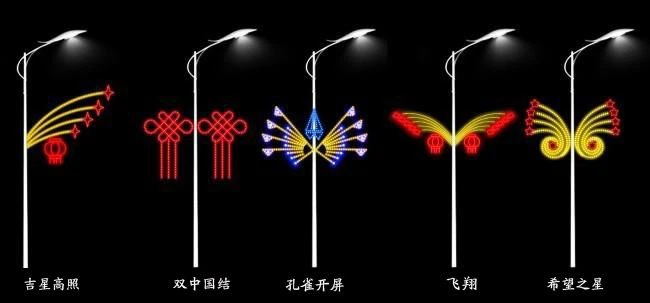
If you are also interested in landscape lighting, we offer a variety of high - quality landscape lamps. You can explore our Smart City Decoration Landscape Lamp, which combines functionality and aesthetics to enhance the beauty of urban landscapes. Our Aluminum Decoration Landscape - Lamp is made of durable aluminum material, providing long - lasting performance and a modern look. And for a more robust option, check out our Die - Casting Aluminum Landscape - Lamp, which offers excellent strength and corrosion resistance.
Conclusion
In conclusion, adjustable lighting sketch lamps are sophisticated devices that combine advanced technology with practical design. By understanding how they work, you can make the most of their features and choose the right lamp for your artistic and design needs. Whether you are a professional artist, a hobbyist, or someone who needs precise lighting for detailed work, an adjustable lighting sketch lamp can significantly enhance your working experience.
If you are interested in purchasing our adjustable lighting sketch lamps or any of our landscape lamp products, we invite you to contact us for procurement and negotiation. We are committed to providing high - quality products and excellent customer service.
References
- "LED Lighting Technology: Principles and Applications" by John Smith
- "The Art of Lighting Design" by Emily Johnson
- "Understanding Color Temperature in Lighting" by David Brown


