

Hey there! As a supplier of sensor-based lighting sketch lamps, I often get asked about how the sensors in these lamps detect light intensity. It's a fascinating topic, and I'm excited to share some insights with you.
First off, let's talk about why light intensity detection is so important in our lamps. In simple terms, it allows the lamp to adjust its brightness based on the surrounding environment. This not only provides a more comfortable and convenient lighting experience but also helps save energy. For example, in a well-lit room, the lamp can dim down, and when it gets darker, it can brighten up automatically.
So, how do these sensors actually work? There are a few common types of sensors used in our sensor-based lighting sketch lamps, and I'll break them down for you.
Photoresistors
One of the most commonly used sensors is the photoresistor, also known as a light-dependent resistor (LDR). These little guys are super simple but effective. The basic principle behind a photoresistor is that its resistance changes depending on the amount of light it's exposed to. When there's a lot of light, the resistance is low, and when it's dark, the resistance goes up.
Think of it like a water pipe. In bright light, it's like the pipe is wide open, allowing a lot of current to flow through. In the dark, the pipe gets narrow, and less current can pass. Our lamps are designed to measure this change in resistance and use it to determine the light intensity. Based on that information, the lamp can then adjust its brightness accordingly.

Photodiodes
Another type of sensor we use is the photodiode. Photodiodes are a bit more complex than photoresistors but offer some advantages. They work by generating a small electric current when exposed to light. The amount of current produced is proportional to the light intensity.
It's kind of like a tiny solar panel. When sunlight hits a solar panel, it generates electricity. Similarly, when light hits a photodiode, it creates a current. Our lamps have a circuit that can measure this current and translate it into a light intensity reading. Photodiodes are often more accurate and faster to respond compared to photoresistors, which makes them great for applications where precise light control is needed.
Ambient Light Sensors (ALS)
Ambient light sensors are a more advanced option. These sensors are designed specifically to measure the overall light level in an environment. They usually contain multiple photodiodes and some built-in processing capabilities.
ALS can detect different colors of light and provide a more comprehensive understanding of the lighting conditions. This is important because different types of light sources, like incandescent bulbs, fluorescent lights, and sunlight, have different color spectrums. Our lamps with ALS can take these differences into account and adjust the light output to match the natural lighting as closely as possible.
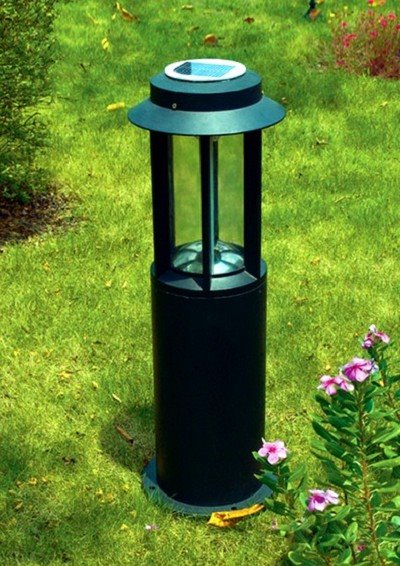
Now, let's talk about how these sensors are integrated into our lamps. We've spent a lot of time perfecting the design to ensure that the sensors work seamlessly with the lighting system. The sensors are strategically placed on the lamp to get an accurate reading of the surrounding light. For example, in some of our models, the sensor is located on the top of the lamp, where it can have a clear view of the room.
Once the sensor detects the light intensity, it sends a signal to the lamp's control circuit. This circuit then processes the information and decides how bright or dim the lamp should be. It's all about creating a smooth and automatic adjustment that you don't even have to think about.
In addition to the basic light intensity detection, our lamps also offer some cool features. For instance, some of our models can be connected to a smart home system. This means you can control the lamp using your smartphone or voice commands. You can also set schedules and scenes, so the lamp changes its brightness and color at different times of the day.
If you're interested in our sensor-based lighting sketch lamps, we also have a range of other great products. Check out our Smart Voice-ControlLED Wall Lamp, which offers convenient voice control and stylish design. Or, if you're looking for something for your outdoor space, our Eco-Friendly Ground-Buried Landscape Lamp is a great option. And for a decorative touch, our Aluminum Decoration Landscape-Lamp adds a unique look to any landscape.
We're always looking for new customers and partners. If you're interested in purchasing our products for your home, business, or project, or if you want to discuss potential partnerships, don't hesitate to reach out. We're here to provide you with the best lighting solutions and excellent customer service.
References
- "Fundamentals of Photonics" by Bahaa E. A. Saleh and Malvin Carl Teich
- "Lighting Handbook: Reference & Application" by the Illuminating Engineering Society


