

As a supplier of wall buried foot lamps, I often encounter customers who are unsure about how to determine the quality of these products. In this blog post, I will share some key factors that can help you assess whether a wall buried foot lamp is of good quality.
1. Material Quality
The materials used in the construction of a wall buried foot lamp play a crucial role in its overall quality and durability. High - quality lamps typically use corrosion - resistant and sturdy materials.

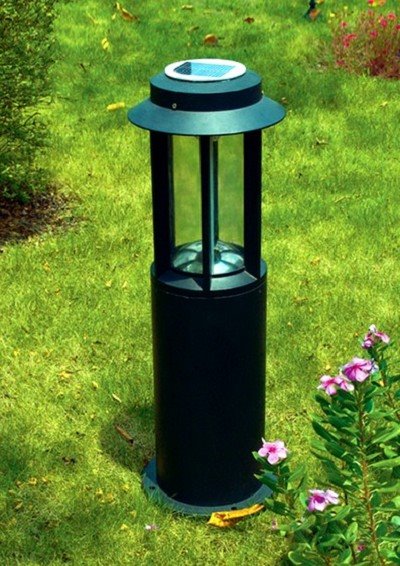
- Housing Material: The housing of the lamp should be made of materials like stainless steel or high - grade plastic. Stainless steel is known for its excellent corrosion resistance, which is especially important if the lamp is to be used in outdoor or damp environments. High - grade plastic, on the other hand, can be lightweight yet strong, and it can also offer good resistance to impact and weather conditions. For example, a wall buried foot lamp with a stainless - steel housing will last longer and maintain its appearance better than one made of low - quality plastic that may crack or fade over time.
- Lens Material: The lens of the lamp is responsible for protecting the light source and directing the light. A good lens material should be clear, scratch - resistant, and able to withstand high temperatures. Polycarbonate is a popular choice for lamp lenses as it has high impact resistance and optical clarity. It can also resist yellowing over time, ensuring that the light output remains consistent.
2. Light Quality
The quality of light emitted by a wall buried foot lamp is another important aspect to consider.
- Color Temperature: The color temperature of the light is measured in Kelvin (K). For wall buried foot lamps, a color temperature in the range of 2700K - 3500K is often preferred as it provides a warm and inviting glow, similar to the light of a traditional incandescent bulb. Higher color temperatures (above 5000K) produce a cooler, more bluish light, which may not be as aesthetically pleasing for this type of application.
- Color Rendering Index (CRI): The CRI measures how accurately a light source renders colors compared to natural light. A high CRI (above 90) is desirable for wall buried foot lamps, especially in areas where color accuracy is important, such as in art galleries or display areas. A lamp with a high CRI will make colors appear more vibrant and true - to - life.
- Luminous Flux: The luminous flux, measured in lumens, indicates the total amount of light emitted by the lamp. The appropriate luminous flux for a wall buried foot lamp depends on the size of the area to be illuminated and the desired level of brightness. However, a good - quality lamp should provide sufficient light without being too bright or causing glare.
3. Waterproof and Dustproof Ratings
Since wall buried foot lamps are often installed in outdoor or underground environments, they need to be able to withstand exposure to water and dust.
- IP Rating: The Ingress Protection (IP) rating is a standard that indicates the level of protection a lamp has against solid objects and liquids. For wall buried foot lamps, an IP rating of at least IP65 is recommended. The first digit (6 in this case) represents the protection against solid objects, with 6 meaning complete protection against dust. The second digit (5) represents the protection against liquids, indicating protection against water jets from any direction. You can find more information about waterproof lamps on our Outdoor Waterproof Landscape - Lamp page.
4. Energy Efficiency
In today's environmentally conscious world, energy efficiency is an important consideration when choosing a wall buried foot lamp.
- LED Technology: Most modern wall buried foot lamps use Light - Emitting Diode (LED) technology, which is highly energy - efficient compared to traditional lighting sources such as incandescent or fluorescent bulbs. LEDs consume less power, have a longer lifespan, and produce less heat. A good - quality LED wall buried foot lamp can significantly reduce energy costs over time.
- Dimmability: Some wall buried foot lamps offer dimmable features, allowing you to adjust the brightness according to your needs. This can further enhance energy efficiency by reducing power consumption when full brightness is not required. You can explore our Flexible Dimmable Wall Lamp for more options.
5. Installation and Maintenance
The ease of installation and maintenance can also be an indicator of a lamp's quality.
- Installation: A well - designed wall buried foot lamp should be easy to install. It should come with clear instructions and all the necessary mounting hardware. Some lamps may also feature a modular design, which makes installation even more straightforward.
- Maintenance: A good - quality lamp should require minimal maintenance. LED lamps, for example, have a long lifespan and do not need to be replaced as frequently as traditional bulbs. Additionally, the lamp should be designed in such a way that it is easy to access and clean if necessary.
6. Brand Reputation and Certifications
The reputation of the brand and the certifications the lamp has obtained can also provide valuable insights into its quality.
- Brand Reputation: A well - established brand with a good reputation is more likely to produce high - quality products. You can research the brand online, read customer reviews, and check for any industry awards or recognition.
- Certifications: Look for lamps that have obtained relevant certifications, such as CE (Conformité Européene), UL (Underwriters Laboratories), or RoHS (Restriction of Hazardous Substances). These certifications indicate that the lamp meets certain safety and quality standards.
7. Additional Features
Some wall buried foot lamps may come with additional features that can enhance their functionality and value.
- Motion Sensors: Lamps with motion sensors can be a great addition, especially in areas where energy conservation is a priority. The lamp will only turn on when it detects motion, reducing unnecessary energy consumption. You can learn more about motion - activated lamps on our Induction Waterproof Wall Lamp page.
- Remote Control: A remote - controlled wall buried foot lamp allows you to adjust the brightness, color temperature, and other settings from a distance, providing greater convenience.
In conclusion, determining the quality of a wall buried foot lamp involves considering multiple factors, including material quality, light quality, waterproof and dustproof ratings, energy efficiency, installation and maintenance, brand reputation, and additional features. By carefully evaluating these aspects, you can ensure that you choose a high - quality lamp that meets your needs and provides long - lasting performance.
If you are interested in purchasing wall buried foot lamps or have any questions about our products, please feel free to contact us for procurement and further discussion. We are committed to providing you with the best - quality products and services.
References
- Lighting Handbook: Reference and Application, Ninth Edition, by the Illuminating Engineering Society of North America.
- LED Lighting Technology: A Guide to Selection and Application, by the U.S. Department of Energy.


