

As a supplier of solar outdoor landscape-lamps, I often receive inquiries from customers about the performance of our products in areas with low sunlight intensity. This is a crucial concern for those living in regions with limited sunlight, such as the northern latitudes or areas prone to frequent cloud cover. In this blog post, I will delve into the science behind solar outdoor landscape-lamps and explore whether they can effectively operate in low-sunlight environments.
How Solar Outdoor Landscape-Lamps Work
Before discussing their performance in low-sunlight areas, it's essential to understand the basic working principle of solar outdoor landscape-lamps. These lamps typically consist of three main components: a solar panel, a rechargeable battery, and an LED light source.
The solar panel is responsible for converting sunlight into electricity through the photovoltaic effect. When sunlight hits the solar cells on the panel, it excites electrons, creating an electric current. This current is then used to charge the rechargeable battery, which stores the energy for later use.
At night or when the ambient light level drops below a certain threshold, the lamp's control system activates the LED light source, drawing power from the charged battery. The LED lights are energy-efficient and can provide bright illumination for several hours, depending on the battery capacity and the power consumption of the lights.
Factors Affecting Solar Panel Efficiency
The efficiency of a solar panel plays a crucial role in determining the performance of a solar outdoor landscape-lamp, especially in low-sunlight areas. Several factors can affect the efficiency of a solar panel, including:
- Solar Cell Type: Different types of solar cells have varying levels of efficiency. Monocrystalline silicon solar cells are generally the most efficient, followed by polycrystalline silicon solar cells. Amorphous silicon solar cells are less efficient but are more flexible and can be used in some specialized applications.
- Sunlight Intensity: The amount of sunlight that reaches the solar panel directly affects its power output. In areas with low sunlight intensity, the solar panel will generate less electricity, which can lead to slower charging times and reduced battery capacity.
- Angle and Orientation: The angle and orientation of the solar panel relative to the sun also impact its efficiency. Solar panels should be installed at an angle that maximizes their exposure to sunlight throughout the day. In the Northern Hemisphere, solar panels should face south, while in the Southern Hemisphere, they should face north.
- Temperature: High temperatures can reduce the efficiency of solar panels. As the temperature of the solar cells increases, their electrical resistance also increases, which can lead to a decrease in power output.
Performance of Solar Outdoor Landscape-Lamps in Low-Sunlight Areas
Despite the challenges posed by low sunlight intensity, solar outdoor landscape-lamps can still work effectively in areas with limited sunlight. However, their performance may be affected in several ways:
- Charging Time: In low-sunlight areas, the solar panels will take longer to charge the batteries. This means that the lamps may not reach their full brightness or may not stay lit for as long as they would in areas with more sunlight.
- Battery Capacity: The reduced charging time can also lead to a decrease in battery capacity over time. If the batteries are not fully charged on a regular basis, they may lose their ability to hold a charge, which can further reduce the performance of the lamps.
- Light Output: The light output of the lamps may also be affected in low-sunlight areas. Since the batteries are not fully charged, the lamps may not be able to provide as much light as they would in areas with more sunlight.
Strategies for Improving Performance in Low-Sunlight Areas
To improve the performance of solar outdoor landscape-lamps in low-sunlight areas, several strategies can be employed:
- Choose High-Efficiency Solar Panels: Opt for solar panels with high efficiency ratings, such as monocrystalline silicon solar panels. These panels can generate more electricity from the same amount of sunlight, which can help to compensate for the low sunlight intensity.
- Increase Solar Panel Size: Using larger solar panels can also increase the amount of electricity generated. This can help to ensure that the batteries are fully charged, even in areas with limited sunlight.
- Use Energy-Efficient LED Lights: Energy-efficient LED lights consume less power, which can help to extend the battery life and improve the overall performance of the lamps. Look for LED lights with high lumen ratings and low power consumption.
- Install the Lamps in Optimal Locations: Place the solar outdoor landscape-lamps in areas that receive the most sunlight throughout the day. Avoid installing them in shaded areas or areas that are blocked by buildings or trees.
- Use a Battery with Higher Capacity: A battery with a higher capacity can store more energy, which can help to ensure that the lamps stay lit for longer periods of time. Consider using a battery with a capacity that is appropriate for the size and power consumption of the lamps.
Our Product Offerings
At our company, we offer a wide range of solar outdoor landscape-lamps that are designed to perform well in various lighting conditions, including low-sunlight areas. Our products include:
- Outdoor Tunable Landscape-Lamp: These lamps feature adjustable light settings, allowing you to customize the brightness and color temperature of the lights to suit your needs. They are equipped with high-efficiency solar panels and energy-efficient LED lights, which can provide long-lasting illumination even in low-sunlight areas.
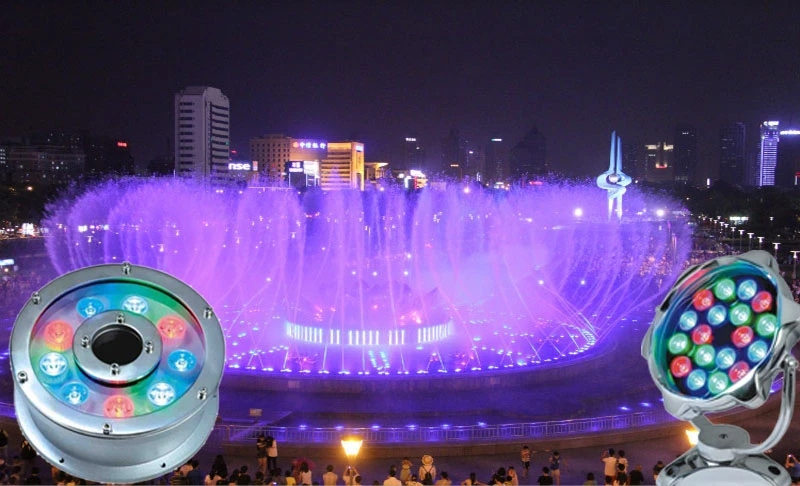
- Low-Voltage Outdoor Underwater Lamp: Ideal for use in ponds, pools, and other water features, these lamps are designed to be waterproof and durable. They are powered by solar energy and can provide a beautiful and energy-efficient way to illuminate your outdoor water features.
- Aluminum Decoration Landscape-Lamp: These lamps feature a stylish and modern design that can enhance the aesthetic appeal of your outdoor space. They are made from high-quality aluminum materials, which are corrosion-resistant and durable. The lamps are equipped with solar panels and LED lights, which can provide bright and energy-efficient illumination.
Conclusion
In conclusion, solar outdoor landscape-lamps can work effectively in areas with low sunlight intensity, but their performance may be affected by several factors. By choosing high-efficiency solar panels, increasing the solar panel size, using energy-efficient LED lights, installing the lamps in optimal locations, and using a battery with higher capacity, you can improve the performance of the lamps and ensure that they provide long-lasting illumination in low-sunlight areas.

If you are interested in purchasing solar outdoor landscape-lamps for your outdoor space, please contact us to discuss your specific needs and requirements. Our team of experts will be happy to help you choose the right products for your project and provide you with professional installation and maintenance services.
References
- "Solar Energy Basics." U.S. Department of Energy. https://www.energy.gov/eere/solar/solar-energy-basics
- "How Solar Panels Work." National Renewable Energy Laboratory. https://www.nrel.gov/pv/how-solar-works.html
- "Solar Panel Efficiency: What You Need to Know." EnergySage. https://www.energysage.com/solar/tesla-solar-roof/solar-panel-efficiency/


