In the realm of modern illumination, sensor - based lighting sketch lamps have emerged as a remarkable innovation, offering not only convenience but also a touch of sophistication to various spaces. As a supplier of these advanced lamps, I often encounter a common concern from potential customers: Do sensor - based lighting sketch lamps cause eye strain? In this blog post, I'll delve into the science behind these lamps and address this crucial question.
Understanding Sensor - Based Lighting Sketch Lamps
Sensor - based lighting sketch lamps are equipped with sensors that can detect motion, ambient light, or other environmental factors. This allows them to automatically adjust their brightness, color temperature, or even turn on and off according to the user's needs. For example, in a sketching studio, when a person approaches the lamp, it can instantly turn on, and as they move away, it may turn off to save energy.
These lamps are designed to provide focused and adjustable lighting, which is essential for tasks like sketching. The adjustable features enable users to customize the lighting according to the specific requirements of their work, such as the type of sketching medium, the size of the canvas, and the overall lighting conditions in the room.
The Science of Eye Strain
Eye strain, also known as asthenopia, is a common condition that occurs when your eyes get tired from intense use. It can be caused by a variety of factors, including prolonged reading, working on a computer, or exposure to improper lighting. Symptoms of eye strain may include headaches, dry eyes, blurred vision, and difficulty focusing.
When it comes to lighting, several factors can contribute to eye strain. One of the most significant factors is the intensity of the light. If the light is too bright, it can cause glare, which makes it difficult for the eyes to focus and can lead to discomfort. On the other hand, if the light is too dim, the eyes have to work harder to see clearly, also resulting in fatigue.
Another important factor is the color temperature of the light. Different color temperatures can have different effects on the eyes and the body. For instance, warm - colored light (lower color temperature) is generally more relaxing and suitable for evening use, while cool - colored light (higher color temperature) can enhance concentration and is better for daytime tasks.
How Sensor - Based Lighting Sketch Lamps Can Minimize Eye Strain
One of the key advantages of sensor - based lighting sketch lamps is their ability to adapt to the user's environment. These lamps can automatically adjust the brightness based on the ambient light in the room. For example, if the room is already well - lit, the lamp will reduce its brightness to avoid over - illumination and glare. Conversely, in a dimly lit room, it will increase the brightness to ensure sufficient light for sketching.
Moreover, many sensor - based sketch lamps offer adjustable color temperature. This means that users can choose the most suitable color temperature for their task. For detailed sketching work that requires high concentration, a cool - white light with a higher color temperature can be selected. In contrast, for a more relaxing sketching session or when the eyes are feeling tired, a warm - white light can be used.
Some advanced sensor - based lamps also have flicker - free technology. Flickering light can cause eye fatigue and headaches, especially when the eyes are exposed to it for a long time. By eliminating flicker, these lamps provide a more stable and comfortable lighting environment, reducing the risk of eye strain.
Comparing with Other Lighting Options
Let's compare sensor - based lighting sketch lamps with traditional lighting options. Traditional incandescent bulbs often produce a warm - colored light but are not very energy - efficient and may not offer adjustable brightness or color temperature. Fluorescent lights, on the other hand, can be more energy - efficient but may flicker, which can contribute to eye strain.
In contrast, sensor - based lighting sketch lamps combine the best of both worlds. They are energy - efficient, offer adjustable lighting parameters, and are designed to provide a comfortable and stable lighting experience. For example, in a sketching studio, a sensor - based lamp can adjust its lighting according to the movement of the artist and the natural light coming through the windows, which is something that traditional lamps cannot do.
The Role of Landscape Lamps in Overall Lighting Design
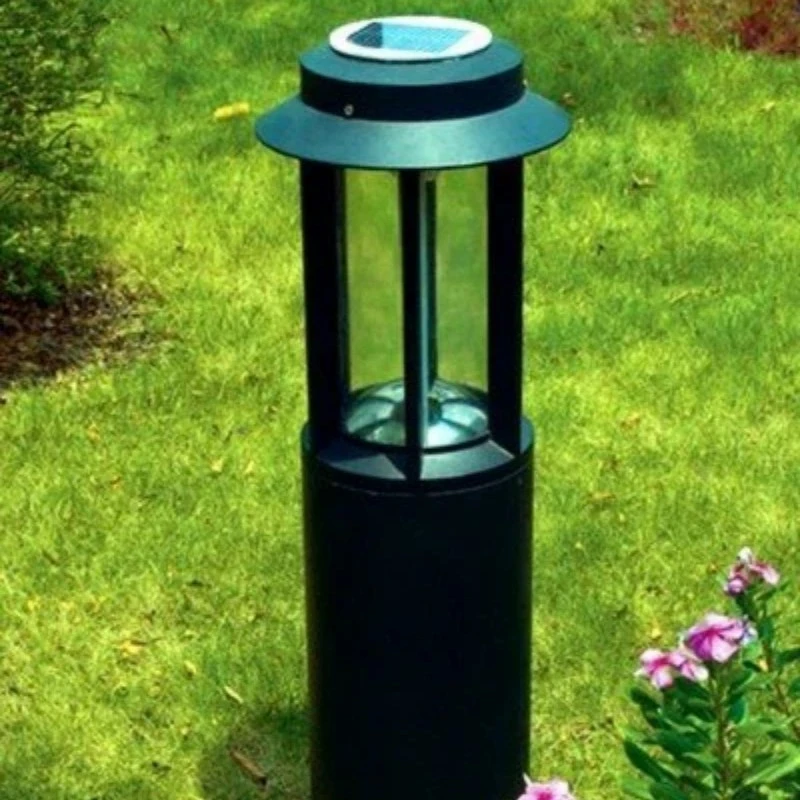
In addition to sensor - based lighting sketch lamps, landscape lamps also play an important role in creating a harmonious and well - lit environment. Landscape lamps can enhance the aesthetic appeal of outdoor spaces and provide safety and security. For example, Ground Landscape - Lamp can be used to illuminate pathways, gardens, and other outdoor areas. These lamps are designed to blend in with the natural surroundings while providing sufficient light.
Solar Outdoor Landscape - Lamp are an eco - friendly option that uses solar energy to power the lamp. They are easy to install and can be a great addition to any outdoor space. LED Ground - Buried Landscape Lamp are another popular choice, as they can be buried in the ground to provide a subtle and elegant lighting effect.
Conclusion
In conclusion, sensor - based lighting sketch lamps are designed to minimize eye strain rather than cause it. Their ability to adapt to the environment, adjust brightness and color temperature, and eliminate flicker makes them an ideal choice for tasks that require focused and prolonged use of the eyes, such as sketching.
If you are in the market for high - quality lighting solutions, whether it's a sensor - based lighting sketch lamp for your studio or landscape lamps for your outdoor space, I invite you to contact us for a detailed discussion. Our team of experts is ready to assist you in finding the perfect lighting products that meet your specific needs and preferences.

References
- American Academy of Ophthalmology. "Eye Strain." Accessed [date].
- Lighting Research Center. "The Science of Light and Health." Accessed [date].
- International Electrotechnical Commission. "Standards for Lighting Equipment." Accessed [date].