As a supplier of ground LED landscape lamps, I often get asked the question: "Do ground LED landscape lamps attract insects?" It's a valid concern, especially for those who want to create a beautiful outdoor space without the annoyance of swarms of bugs. In this blog post, I'll dive into this topic and share some insights based on scientific research and my own experience in the industry.
Let's start by understanding why insects are attracted to light in the first place. Many insects use light sources for navigation. For example, some insects navigate by the moon, which is a constant and distant light source. Artificial lights can disrupt this natural navigation system. Insects may mistake the bright, close - range artificial light for the moon and end up circling around it. This phenomenon is known as phototaxis, which is the movement of an organism towards or away from a light source.
Now, let's talk about LED lights specifically. LEDs are different from traditional incandescent or fluorescent lights. Incandescent bulbs emit a broad spectrum of light, including a significant amount of infrared and red light. Fluorescent lights also have a wide spectrum that includes ultraviolet light. Ultraviolet light is particularly attractive to many insects because a lot of insects can see in the ultraviolet range, and it's often associated with flowers and food sources in their natural environment.
LED lights, on the other hand, can be designed to emit a very specific spectrum of light. Most ground LED landscape lamps are engineered to emit light in the visible spectrum, mainly in the blue - green to yellow - orange range, and they can be made to minimize or eliminate the emission of ultraviolet light. Since insects are less attracted to light in these wavelengths compared to ultraviolet, ground LED landscape lamps generally attract fewer insects than traditional lighting options.
However, it doesn't mean that LED landscape lamps won't attract any insects at all. Some insects are still drawn to the visible light emitted by LEDs. For example, moths are known to be attracted to white and blue - white light, which are common colors in many LED landscape lamps. The intensity of the light also plays a role. Brighter lights are more likely to attract insects than dimmer ones. So, if you install very bright ground LED landscape lamps, you might still see some insects gathering around them.
Another factor to consider is the surrounding environment. If your outdoor area has a lot of vegetation, standing water, or other food sources for insects, you're more likely to have insects in the area regardless of the lighting. The presence of these attractants can make it seem like the lamps are attracting more insects than they actually are.
In my experience as a supplier, I've seen customers who are very concerned about insect attraction. Some of them have opted for special LED landscape lamps that are designed to be even less attractive to insects. These lamps often have a warmer color temperature, which means they emit more red and orange light. Insects are generally less sensitive to these longer wavelengths.
We offer a variety of ground LED landscape lamps that are designed with insect - attraction in mind. For instance, our LED Durable Underwater Lamp can be used in ponds or water features. Since it's underwater, the light is diffused, and the chance of attracting insects is relatively low. The design of this lamp also ensures that it's durable and can withstand the harsh outdoor environment.
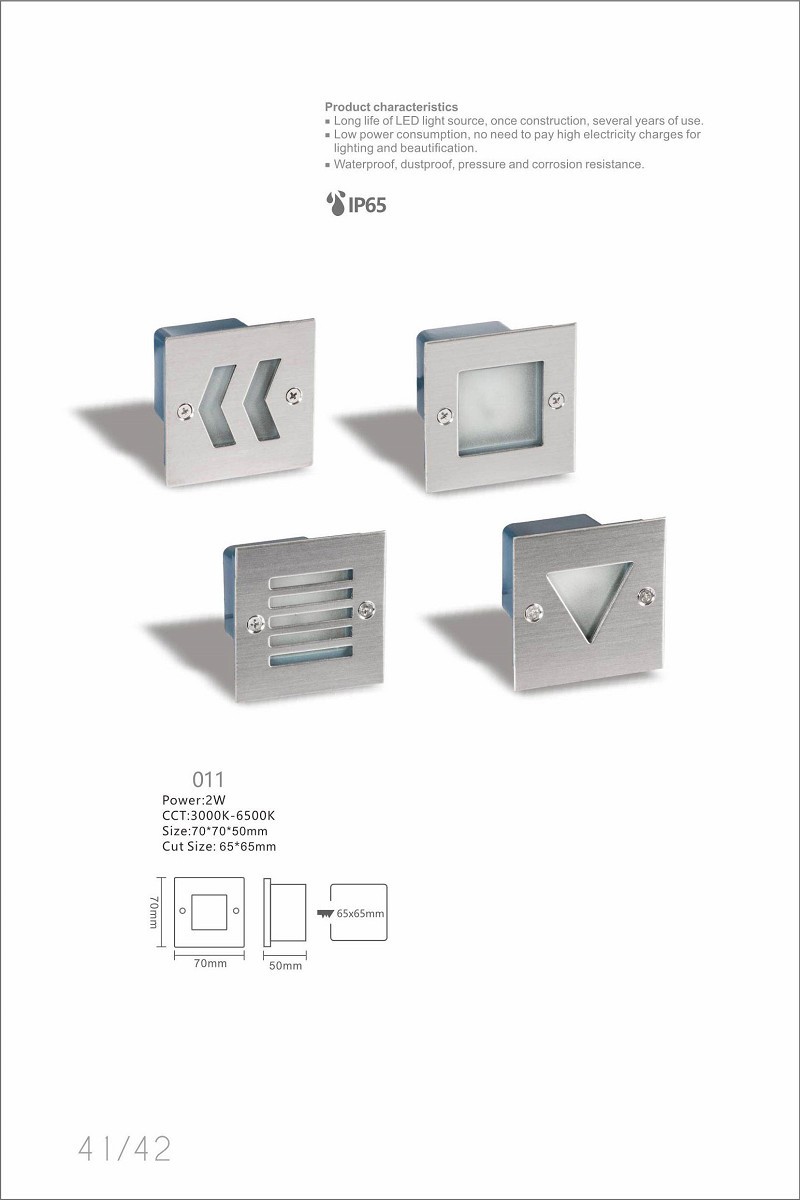
Our Wall Buried Foot Lamp is another great option. It's installed close to the ground and emits a soft, diffused light. This type of low - intensity lighting is less likely to attract a large number of insects. Plus, its unique design can add a touch of elegance to your outdoor walls.
If you're looking for something more adjustable, our Adjustable Lighting Sketch Lamp is a fantastic choice. You can adjust the brightness and color temperature according to your needs. You can set it to a warmer color and lower intensity in the evenings to reduce insect attraction while still enjoying a well - lit outdoor space.
To further reduce insect attraction around your ground LED landscape lamps, you can take some additional steps. For example, you can keep your outdoor area clean by removing debris, fallen leaves, and standing water. You can also use insect repellents or natural deterrents like citronella candles in the vicinity of the lamps.
In conclusion, while ground LED landscape lamps can attract some insects, they are generally a better choice than traditional lighting when it comes to minimizing insect attraction. By choosing the right type of LED lamps, adjusting the light intensity and color temperature, and maintaining a clean outdoor environment, you can enjoy a beautiful and relatively insect - free outdoor space.
If you're interested in learning more about our ground LED landscape lamps or have any questions regarding insect attraction and lighting, feel free to reach out. We're always here to help you find the best lighting solutions for your outdoor needs. Whether you're a homeowner looking to enhance your garden or a business owner in charge of a large outdoor area, we have the products and expertise to meet your requirements. Let's start a conversation about how we can make your outdoor space shine!
References

- "Insects and Light: A Complex Relationship" - Entomological Society of America
- "The Effects of Different Light Sources on Insect Behavior" - Journal of Insect Science