

As a supplier of energy-efficient wall lamps, I've often been asked whether these lamps work well with other lighting fixtures. In this blog, I'll delve into this question, exploring the compatibility, benefits, and considerations when combining energy-efficient wall lamps with various other lighting options.
Compatibility of Energy-Efficient Wall Lamps with Other Lighting Fixtures
Energy-efficient wall lamps, typically LED-based, are highly versatile and can be paired effectively with a wide range of lighting fixtures. One of the key advantages of LED wall lamps is their ability to provide focused and adjustable lighting. This makes them an excellent complement to ambient lighting sources such as ceiling fixtures.
Ceiling lights, whether they are chandeliers, pendant lights, or recessed lighting, usually offer general illumination for a room. However, they may not provide sufficient light in specific areas or create the desired mood. Energy-efficient wall lamps can fill in these gaps by adding task lighting or accent lighting. For example, in a living room, a ceiling light can provide overall brightness, while wall lamps can be used to highlight artwork on the walls or provide reading light near a sofa.
Another common combination is with table lamps. Table lamps are often used for task lighting on desks or side tables. Energy-efficient wall lamps can enhance the lighting in the surrounding area, creating a more balanced and inviting atmosphere. They can also be used to add a decorative touch to the room, especially when the wall lamps have unique designs.
In outdoor settings, energy-efficient wall lamps can work well with landscape lighting fixtures. For instance, Energy-Efficient Bright Underwater Lamp can be used in ponds or water features, while wall lamps on the exterior of a building can provide additional illumination and security. The combination of these different types of lighting can transform an outdoor space into a beautiful and functional area.
Benefits of Combining Energy-Efficient Wall Lamps with Other Lighting Fixtures
Enhanced Lighting Quality
By combining different types of lighting fixtures, you can achieve a more dynamic and layered lighting effect. This not only improves the overall visibility in a space but also creates a more interesting and comfortable environment. For example, the soft glow of a wall lamp can be combined with the bright light of a ceiling fixture to reduce harsh shadows and create a more even distribution of light.
Energy Savings
Energy-efficient wall lamps, as the name suggests, consume less energy compared to traditional lighting sources. When used in combination with other energy-efficient fixtures, such as LED ceiling lights or solar-powered landscape lamps, the overall energy consumption of a building or outdoor area can be significantly reduced. This not only helps to lower electricity bills but also contributes to a more sustainable environment.
Aesthetic Appeal
The combination of different lighting fixtures can add a unique and stylish touch to any space. Wall lamps come in a variety of designs, from modern and minimalist to traditional and ornate. By carefully selecting wall lamps that complement the style of other lighting fixtures and the overall decor of the room, you can create a cohesive and visually appealing look.
Considerations When Combining Energy-Efficient Wall Lamps with Other Lighting Fixtures
Color Temperature
It's important to consider the color temperature of the different lighting fixtures when combining them. Color temperature is measured in Kelvin (K) and determines the perceived warmth or coolness of the light. For a harmonious lighting scheme, it's generally recommended to use lighting fixtures with similar color temperatures. For example, if you have warm white ceiling lights (around 2700K - 3000K), you should choose wall lamps with a similar warm white color temperature.

Lighting Levels
Another important consideration is the lighting levels of the different fixtures. You need to ensure that the combined lighting provides sufficient illumination for the intended use of the space. For example, in a reading area, the task lighting from a table lamp and the ambient lighting from a wall lamp should be bright enough to allow for comfortable reading. On the other hand, in a bedroom, the lighting should be softer and more subdued to create a relaxing atmosphere.
Placement
The placement of the lighting fixtures is also crucial. Wall lamps should be placed in strategic locations to achieve the desired lighting effect. For example, if you want to highlight a piece of artwork, the wall lamp should be positioned at an angle that illuminates the artwork without creating glare. Similarly, when combining wall lamps with other fixtures, the placement should be coordinated to ensure a balanced distribution of light.
Examples of Successful Combinations
Living Room
In a living room, a large pendant light can be used as the main source of ambient lighting. Energy-efficient wall lamps can be installed on either side of the sofa to provide reading light and add a decorative element. Additionally, table lamps can be placed on side tables to create a cozy and inviting atmosphere.
Outdoor Patio
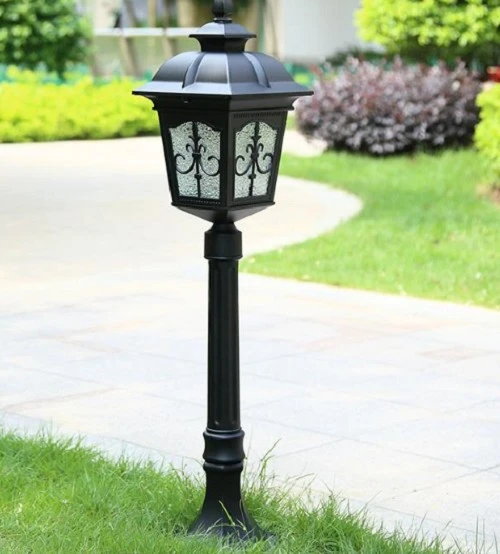
On an outdoor patio, LED Ground-Buried Landscape Lamp can be used to illuminate the pathways and garden areas. Wall lamps on the exterior of the house can provide additional lighting and security. The combination of these different types of lighting can make the patio a comfortable and enjoyable space for entertaining guests.
Bedroom
In a bedroom, a ceiling fan with a built-in light can provide general illumination. Energy-efficient wall lamps can be installed on either side of the bed to provide reading light without disturbing the other person. A bedside table lamp can also be used for additional task lighting.
Conclusion
In conclusion, energy-efficient wall lamps work extremely well with other lighting fixtures. They offer enhanced lighting quality, energy savings, and aesthetic appeal when combined with ceiling lights, table lamps, landscape lighting, and other types of fixtures. By considering factors such as color temperature, lighting levels, and placement, you can create a harmonious and functional lighting scheme that meets your specific needs.
If you're interested in exploring the possibilities of using energy-efficient wall lamps in combination with other lighting fixtures for your project, I invite you to contact me for a detailed discussion. I can provide you with expert advice and high-quality products to help you achieve the perfect lighting solution.
References
- "Lighting Basics: Understanding Color Temperature." Energy Star.
- "Principles of Lighting Design." Lighting Research Center.


