As a supplier of energy-efficient wall lamps, I often encounter various questions from customers. One of the most frequently asked questions is whether energy-efficient wall lamps cause eye strain. In this blog post, I will delve into this topic based on scientific knowledge and industry experience to provide you with a comprehensive answer.
Understanding Energy-Efficient Wall Lamps
Energy-efficient wall lamps are designed to consume less electricity while providing adequate illumination. They typically use technologies such as LED (Light-Emitting Diode), which has become increasingly popular in recent years due to its numerous advantages. LED wall lamps are known for their long lifespan, low energy consumption, and high luminous efficacy. They can produce a significant amount of light while using a fraction of the energy compared to traditional incandescent or fluorescent lamps.
Factors Affecting Eye Strain
Eye strain is a common condition that can be caused by various factors, including prolonged use of electronic devices, poor lighting conditions, and incorrect viewing distances. When it comes to lighting, several aspects can contribute to eye strain:

- Light Intensity: Insufficient or excessive light intensity can put a strain on the eyes. If the light is too dim, the eyes have to work harder to see clearly, leading to fatigue. On the other hand, overly bright light can cause glare and discomfort.
- Color Temperature: The color temperature of light is measured in Kelvin (K) and affects the perceived warmth or coolness of the light. A high color temperature (above 5000K) produces a cool, bluish light, while a low color temperature (below 3000K) results in a warm, yellowish light. Blue light, especially in high doses, has been associated with eye strain and disrupted sleep patterns.
- Flicker: Flicker refers to the rapid and repeated changes in light intensity. Even if the flicker is not visible to the naked eye, it can still cause eye fatigue and headaches, especially over extended periods of exposure.
- Uniformity: Uneven lighting, such as areas of bright and dark spots, can make the eyes constantly adjust, leading to strain.
Do Energy-Efficient Wall Lamps Cause Eye Strain?
In general, energy-efficient wall lamps, especially those using LED technology, do not necessarily cause eye strain. In fact, they can offer several benefits that help reduce the risk of eye fatigue:
- Adjustable Brightness: Many energy-efficient wall lamps come with adjustable brightness settings, allowing users to customize the light intensity according to their needs. This feature helps ensure that the lighting is neither too dim nor too bright, reducing eye strain.
- Low Flicker: High-quality LED wall lamps are designed to minimize flicker, providing a stable and consistent light source. This reduces the likelihood of eye fatigue and headaches associated with flickering lights.
- Controllable Color Temperature: Some LED wall lamps offer the option to adjust the color temperature, allowing users to choose a warmer or cooler light depending on the time of day and the activity. For example, a warmer light can be more suitable for relaxing in the evening, while a cooler light may be better for tasks that require concentration.
- Uniform Lighting: Energy-efficient wall lamps are often designed to provide uniform lighting, minimizing the contrast between bright and dark areas. This helps reduce the need for the eyes to constantly adjust, resulting in less strain.
However, it's important to note that not all energy-efficient wall lamps are created equal. Poor-quality lamps may still have issues with flicker, uneven lighting, or inappropriate color temperature, which can contribute to eye strain. Therefore, it's crucial to choose wall lamps from reputable manufacturers and look for products that have been tested and certified for quality and safety.
Tips for Choosing Energy-Efficient Wall Lamps to Avoid Eye Strain
When selecting energy-efficient wall lamps, consider the following tips to ensure a comfortable and eye-friendly lighting environment:
- Look for Certification: Choose wall lamps that are certified by recognized organizations, such as Energy Star or the International Electrotechnical Commission (IEC). These certifications indicate that the lamps meet certain standards for energy efficiency, performance, and safety.
- Check the Color Rendering Index (CRI): The CRI measures how accurately a light source reproduces colors compared to natural light. A higher CRI (ideally above 90) indicates better color accuracy, which can enhance visual comfort and reduce eye strain.
- Test for Flicker: Although it can be difficult to detect flicker with the naked eye, you can use a smartphone camera to check for any visible flickering. If the light appears to flicker on the camera screen, it may not be suitable for long-term use.
- Consider the Placement: Proper placement of wall lamps is essential to ensure uniform lighting and minimize glare. Avoid placing lamps directly in the line of sight or in areas where they can reflect off shiny surfaces.
Our Energy-Efficient Wall Lamp Products
At our company, we are committed to providing high-quality energy-efficient wall lamps that are designed to enhance visual comfort and reduce the risk of eye strain. Our products are carefully engineered to meet the latest industry standards and are backed by rigorous testing and quality control.
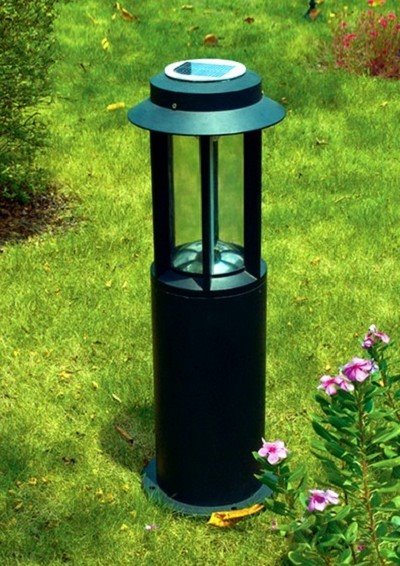
In addition to our wall lamps, we also offer a range of outdoor landscape lamps, including Solar Outdoor Landscape-Lamp, Motion Sensor Ground-Buried Landscape Lamp, and Outdoor Tunable Landscape-Lamp. These lamps are not only energy-efficient but also add a touch of beauty and functionality to your outdoor spaces.
Conclusion
In conclusion, energy-efficient wall lamps, when chosen and used correctly, do not cause eye strain. In fact, they can offer several advantages that help create a comfortable and eye-friendly lighting environment. By considering factors such as adjustable brightness, low flicker, controllable color temperature, and uniform lighting, you can select the right wall lamps to meet your needs and reduce the risk of eye fatigue.
If you are interested in our energy-efficient wall lamps or outdoor landscape lamps, please feel free to contact us for more information and to discuss your specific requirements. We look forward to the opportunity to work with you and provide you with the best lighting solutions.
References
- American Academy of Ophthalmology. (n.d.). Protect Your Eyes from Digital Eye Strain. Retrieved from https://www.aao.org/eye-health/tips-prevention/protect-your-eyes-from-digital-eye-strain
- International Electrotechnical Commission. (n.d.). IEC 62778: Application of IEC 62471 for the assessment of blue light hazard to light sources and luminaires. Retrieved from https://webstore.iec.ch/publication/62778
- U.S. Department of Energy. (n.d.). Energy Star Lighting Products. Retrieved from https://www.energystar.gov/products/lighting_fans/lighting_products