

As a supplier of decorative alloy LED wall washers, I often encounter questions from customers regarding the heat - conduction property of these lighting fixtures. In this blog, I will delve into the details of whether decorative alloy LED wall washers have a good heat - conduction property.
Understanding the Basics of Heat Conduction in LED Wall Washers
Before we evaluate the heat - conduction property of decorative alloy LED wall washers, it's essential to understand why heat conduction matters in LED lighting. LEDs generate heat during operation. If this heat is not dissipated effectively, it can lead to several issues. High temperatures can reduce the lifespan of the LED chips, cause color shifting, and even result in complete failure of the lighting fixture. Therefore, efficient heat conduction is crucial for maintaining the performance and longevity of LED wall washers.
The Role of Decorative Alloy in Heat Conduction
Decorative alloys are commonly used in the manufacturing of LED wall washers for their aesthetic appeal and durability. But how do they perform in terms of heat conduction? Metals, in general, are good conductors of heat. Alloys are mixtures of metals and other elements, which can enhance certain properties. For decorative alloy LED wall washers, the alloy composition plays a significant role in heat conduction.
Most decorative alloys used in these wall washers contain metals like aluminum. Aluminum is well - known for its excellent thermal conductivity. It can quickly transfer heat away from the LED chips to the outer surface of the wall washer, where it can be dissipated into the surrounding air. Additionally, the alloy's structure and density also affect heat conduction. A well - designed alloy with a uniform structure allows for more efficient heat transfer.
Comparing Decorative Alloy with Other Materials
To better understand the heat - conduction property of decorative alloy LED wall washers, let's compare them with other materials commonly used in LED lighting.
Plastic
Plastic is a popular material for its low cost and ease of molding. However, it is a poor conductor of heat. When used in LED wall washers, plastic housings can trap heat inside, leading to higher operating temperatures for the LEDs. In contrast, decorative alloy wall washers can effectively conduct heat out of the fixture, providing a more stable operating environment for the LEDs.
Ceramic
Ceramics have good heat - dissipation properties. They can absorb and radiate heat well. However, ceramics are brittle and more expensive to manufacture compared to decorative alloys. Decorative alloy LED wall washers offer a balance between cost - effectiveness and heat - conduction performance.
Real - World Performance of Decorative Alloy LED Wall Washers
In real - world applications, decorative alloy LED wall washers have demonstrated good heat - conduction properties. For example, in large - scale architectural lighting projects, these wall washers are often used to illuminate building facades. Despite continuous operation for long hours, the alloy housing effectively dissipates heat, ensuring that the LEDs maintain a stable performance.
We have conducted numerous tests on our Decorative Alloy LED Wall Washer. The results show that the temperature rise of the LEDs during operation is well - controlled. After running the wall washer for several hours, the surface temperature of the alloy housing is only slightly higher than the ambient temperature, indicating efficient heat transfer.
Factors Affecting Heat Conduction in Decorative Alloy LED Wall Washers
While decorative alloys generally have good heat - conduction properties, several factors can affect their performance.
Design of the Wall Washer
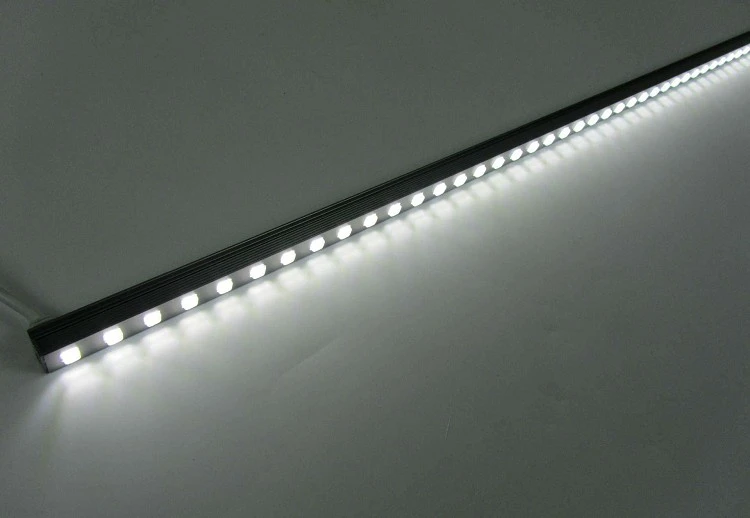
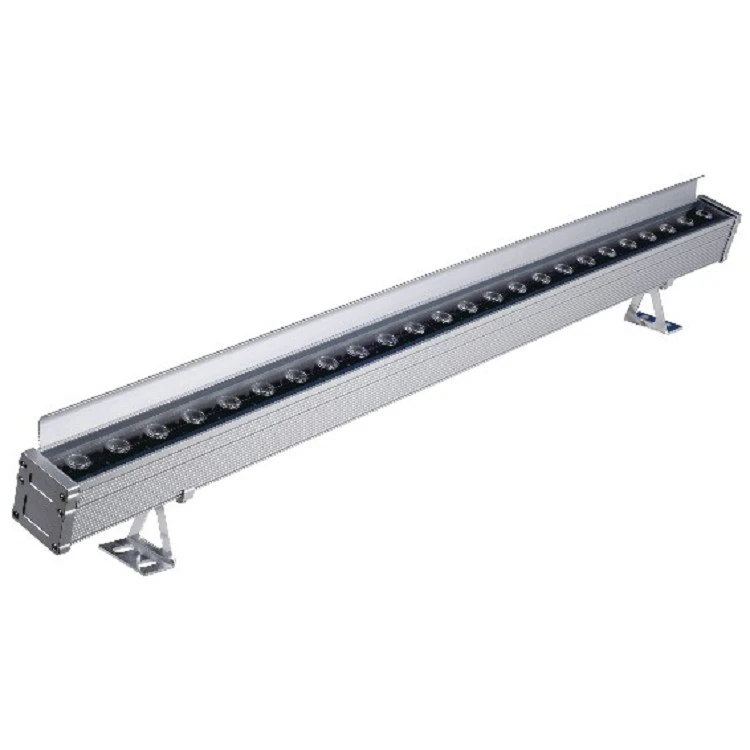
The design of the wall washer plays a crucial role in heat conduction. A well - designed wall washer will have a large surface area for heat dissipation. For example, some of our Hex Flexible LED Wall Washer models are designed with fin - like structures on the alloy housing. These fins increase the surface area, allowing for more efficient heat transfer to the surrounding air.
Quality of the Alloy
The quality of the decorative alloy also matters. High - quality alloys with a consistent composition and fewer impurities will have better heat - conduction properties. At our company, we source high - grade alloys and use advanced manufacturing processes to ensure the quality of our wall washers.
Installation Environment
The installation environment can also impact heat conduction. If the wall washer is installed in a confined space with poor ventilation, the heat dissipation will be less efficient. On the other hand, if it is installed in an open area with good air circulation, the heat can be dissipated more effectively.
Benefits of Good Heat Conduction in Decorative Alloy LED Wall Washers
The good heat - conduction property of decorative alloy LED wall washers brings several benefits.
Extended Lifespan
By keeping the LEDs at a lower operating temperature, the heat conduction helps to extend the lifespan of the wall washers. LEDs are sensitive to high temperatures, and excessive heat can cause the chips to degrade more quickly. With efficient heat dissipation, the LEDs can last longer, reducing the need for frequent replacements.
Stable Performance
Good heat conduction ensures stable performance of the wall washers. The color temperature and brightness of the LEDs remain consistent over time. This is especially important in applications where color accuracy and uniform lighting are required, such as in art galleries or museums.
Energy Efficiency
When LEDs operate at lower temperatures, they are more energy - efficient. The heat - conduction property of the decorative alloy helps to maintain an optimal operating temperature for the LEDs, reducing energy consumption and saving costs in the long run.
Our Product Range and Heat - Conduction Performance
We offer a wide range of decorative alloy LED wall washers, including the Full Color Metal LED Wall Washer. All of our products are designed with heat conduction in mind. Our R & D team continuously works on improving the heat - dissipation design of our wall washers.
We use advanced thermal simulation software to analyze the heat transfer process in our products. This allows us to optimize the alloy composition, housing design, and fin structure to achieve the best possible heat - conduction performance.
Conclusion
In conclusion, decorative alloy LED wall washers generally have a good heat - conduction property. The use of alloys, especially those containing aluminum, provides an effective way to transfer heat away from the LEDs. Compared to other materials like plastic and ceramics, decorative alloys offer a balance between cost - effectiveness and heat - dissipation performance.
However, the heat - conduction performance can be affected by factors such as the design of the wall washer, the quality of the alloy, and the installation environment. By choosing high - quality products and ensuring proper installation, customers can fully benefit from the good heat - conduction property of decorative alloy LED wall washers.
If you are interested in our decorative alloy LED wall washers or have any questions about heat conduction and other technical aspects, we welcome you to contact us for further discussion and procurement negotiation. We are committed to providing you with high - quality lighting solutions that meet your specific needs.
References
- "LED Lighting Technology: Principles and Applications" - A comprehensive book on LED lighting, which provides in - depth knowledge about heat management in LEDs.
- Industry reports on LED lighting materials and their thermal properties, which have been used to support the comparison of different materials in this blog.


