

Can wall buried foot lamps be used in art galleries? Well, that's a question I've been asked quite a few times as a wall buried foot lamp supplier. Let's dig into this topic and see if these lamps are a good fit for art galleries.
First off, let's talk about what wall buried foot lamps are. These are lamps that are designed to be installed in walls, usually at a low height near the floor. They're often used in landscapes, outdoor areas, and even some indoor spaces to provide a soft, ambient light. They come in different styles, sizes, and colors, and can be customized to fit the specific needs of a project.
Now, let's think about art galleries. The main goal of an art gallery is to showcase art in the best possible way. Lighting plays a crucial role in this. Good lighting can enhance the colors, textures, and details of the artworks, making them more appealing to the viewers. It can also create a certain mood and atmosphere in the gallery, which can add to the overall experience.
So, can wall buried foot lamps help achieve these goals? The answer is yes, and here's why.
1. Soft and Diffused Light
Wall buried foot lamps provide a soft, diffused light that can be very flattering for artworks. Unlike harsh overhead lights, which can create shadows and glare, the light from these lamps spreads evenly across the walls and the floor. This can help to bring out the colors and details of the art without causing any distractions. For example, if you have a painting with delicate brushstrokes, the soft light can make those strokes more visible and add depth to the painting.
2. Creating a Unique Atmosphere
Art galleries often want to create a unique and inviting atmosphere for their visitors. Wall buried foot lamps can contribute to this by adding a touch of elegance and sophistication. The low-level lighting can create a sense of mystery and intrigue, drawing the viewers in and making them more engaged with the art. It can also make the gallery feel more spacious and open, as the light reflects off the walls and the floor.
3. Flexibility in Design
One of the great things about wall buried foot lamps is their flexibility in design. They can be installed in different patterns and configurations to suit the layout of the gallery. For example, you can install them in a straight line along the base of the walls, or you can create a more decorative pattern, such as a zigzag or a curve. This allows you to customize the lighting design to match the style and theme of the artworks on display.
4. Energy Efficiency
In today's world, energy efficiency is an important consideration for any lighting system. Wall buried foot lamps are typically very energy-efficient, as they use LED technology. LED lights consume less energy than traditional incandescent or fluorescent lights, which can help to reduce the gallery's electricity bills. They also have a longer lifespan, which means less maintenance and replacement costs.
Examples of Our Wall Buried Foot Lamps in Art Galleries
We've had the opportunity to supply our wall buried foot lamps to several art galleries, and the results have been amazing. One of our clients, a contemporary art gallery, wanted to create a modern and minimalist look for their space. We installed our Eco-Friendly Ground-Buried Landscape Lamp along the base of the walls, which provided a soft, white light that complemented the bold colors of the artworks. The gallery owner was very happy with the result, as it not only enhanced the display of the art but also created a warm and inviting atmosphere for the visitors.
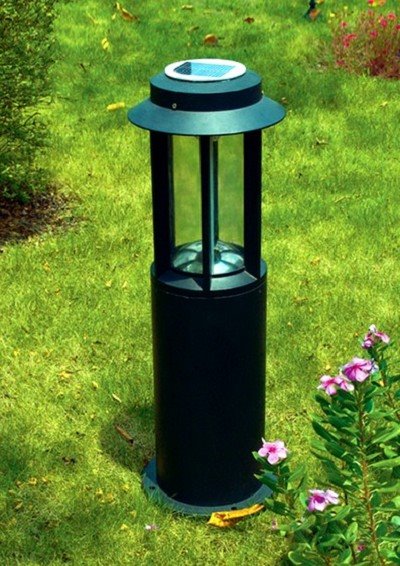
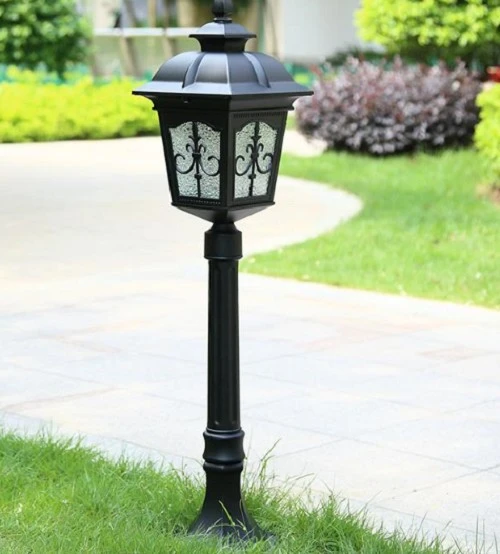
Another client, an art museum, was looking for a lighting solution that could highlight their collection of ancient artifacts. We recommended our Outdoor Waterproof Landscape-Lamp, which was installed in a circular pattern around the display cases. The waterproof feature of the lamps made them suitable for the museum's environment, and the soft, diffused light helped to bring out the details of the artifacts without causing any damage.
Considerations When Using Wall Buried Foot Lamps in Art Galleries
While wall buried foot lamps can be a great addition to art galleries, there are a few things to consider before installing them.
1. Color Temperature
The color temperature of the light is an important factor to consider. Different artworks may require different color temperatures to look their best. For example, warm white light (around 2700K - 3000K) can be very flattering for traditional artworks, such as paintings and sculptures, as it gives them a more inviting and cozy feel. Cool white light (around 4000K - 5000K), on the other hand, can be better for modern and contemporary art, as it provides a more neutral and clean look.
2. Light Intensity
The intensity of the light also needs to be carefully controlled. You don't want the light to be too bright, as it can cause glare and damage to the artworks. On the other hand, if the light is too dim, the art may not be visible enough. It's important to work with a professional lighting designer to determine the right light intensity for your gallery.
3. Installation and Maintenance
Proper installation and maintenance are crucial for the performance and longevity of the wall buried foot lamps. They need to be installed correctly to ensure that they are secure and waterproof. Regular maintenance, such as cleaning and checking the wiring, is also necessary to keep the lamps in good working condition.
Conclusion
In conclusion, wall buried foot lamps can be a great choice for art galleries. They offer soft, diffused light, create a unique atmosphere, provide flexibility in design, and are energy-efficient. However, it's important to consider the color temperature, light intensity, and installation and maintenance requirements before making a decision.
If you're an art gallery owner or a lighting designer looking for a high-quality wall buried foot lamp solution, I'd love to hear from you. Our company offers a wide range of wall buried foot lamps, including our Explosion Proof Aluminum Landscape-Lamp, which is suitable for various environments. We can work with you to customize the lighting design to meet your specific needs and budget. Contact us today to start a conversation about how we can enhance the lighting in your art gallery.
References
- Lighting for Art Galleries: A Guide to Best Practices, Lighting Research Center
- The Impact of Lighting on Art and Architecture, Architectural Lighting Magazine


