

Can I use a sensor - based lighting sketch lamp in a workshop?
In modern industrial settings, lighting plays a crucial role in ensuring both safety and efficiency. As a supplier of sensor - based lighting sketch lamps, I often get asked whether these lamps are suitable for use in workshops. In this blog post, I'll explore the viability of using sensor - based lighting sketch lamps in a workshop environment, considering various aspects such as functionality, safety, and cost - effectiveness.
Functionality
One of the primary advantages of sensor - based lighting sketch lamps is their ability to provide illumination precisely when and where it is needed. In a workshop, tasks can vary greatly in terms of complexity and the amount of light required. For example, detailed assembly work may demand high - intensity, focused lighting, while general movement around the workshop may only need ambient illumination.
Sensor - based lamps can be programmed to adjust the light intensity according to the presence and movement of workers. When a worker approaches a specific workbench, the lamp can automatically brighten, providing the necessary light for the task at hand. This not only enhances visibility but also reduces energy consumption by avoiding unnecessary lighting in unoccupied areas.
Moreover, these lamps can be equipped with different types of sensors, such as motion sensors and ambient light sensors. Motion sensors detect the movement of people or objects in the vicinity of the lamp. This is particularly useful in a workshop where workers are constantly on the move. Ambient light sensors, on the other hand, can adjust the lamp's brightness based on the existing natural or artificial light in the workshop. For instance, during the day when there is sufficient sunlight, the lamp can dim itself to save energy.
Safety
Safety is a top priority in any workshop. Adequate lighting is essential to prevent accidents, such as tripping, collisions, and errors in handling tools and machinery. Sensor - based lighting sketch lamps can contribute significantly to workshop safety.
By providing well - lit work areas, these lamps reduce the risk of visual fatigue and eye strain among workers. This is especially important for tasks that require long periods of concentration, such as precision machining or soldering. In addition, the automatic adjustment of light intensity based on movement ensures that there are no sudden changes in lighting conditions, which could otherwise startle workers and lead to accidents.
Furthermore, some sensor - based lamps are designed to be shock - resistant and durable, which is crucial in a workshop environment where there may be a risk of accidental impacts. These lamps can withstand the rigors of daily use and continue to provide reliable lighting.
Cost - Effectiveness
Cost is always a consideration when it comes to equipping a workshop. Sensor - based lighting sketch lamps may have a higher upfront cost compared to traditional lamps, but they offer significant long - term savings.
As mentioned earlier, these lamps can reduce energy consumption by adjusting the light output based on the actual need. This leads to lower electricity bills over time. Additionally, the durability of sensor - based lamps means that they have a longer lifespan compared to conventional lamps. This reduces the frequency of lamp replacements, saving on both the cost of new lamps and the labor required for installation.
In the long run, the savings in energy and maintenance costs can offset the initial investment in sensor - based lighting sketch lamps.
Compatibility with Workshop Equipment
Another important factor to consider is the compatibility of sensor - based lighting sketch lamps with other workshop equipment. These lamps should not interfere with the operation of sensitive machinery or electronic devices.

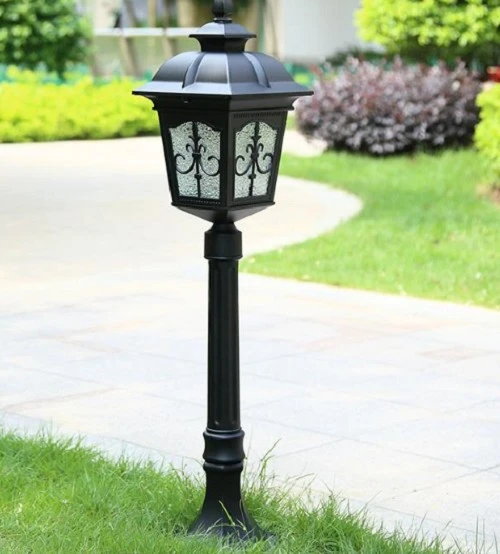
Most modern sensor - based lamps are designed to operate within a specific frequency range and emit minimal electromagnetic interference. This ensures that they can be used safely in close proximity to other equipment without causing any disruptions.
Examples of Related Lighting Products
In addition to sensor - based lighting sketch lamps, there are other types of lighting products that may be suitable for a workshop. For example, the LED Durable Underwater Lamp is a highly durable option that can be used in wet or harsh environments. Although it is designed for underwater use, its durability and high - intensity lighting may also be beneficial in certain workshop applications.
The Solar - Powered Decoration Landscape Lamp can be a cost - effective and environmentally friendly option for providing ambient lighting in outdoor workshops or areas with access to sunlight. It harnesses solar energy during the day and provides illumination at night.
The Aluminum Decoration Landscape - Lamp is not only aesthetically pleasing but also offers good lighting performance. Its aluminum construction makes it durable and suitable for use in a workshop.
Conclusion
In conclusion, sensor - based lighting sketch lamps are a viable option for use in a workshop. They offer numerous benefits in terms of functionality, safety, and cost - effectiveness. Their ability to adjust the light output based on the actual need, their durability, and their compatibility with other equipment make them a valuable addition to any workshop.
If you are interested in learning more about our sensor - based lighting sketch lamps or other lighting products, I encourage you to contact us for a detailed discussion. We can provide you with more information on product specifications, pricing, and installation options. Whether you are setting up a new workshop or looking to upgrade your existing lighting system, we are here to help you make the best choice for your needs.
References
- "Industrial Lighting Handbook", XYZ Publishing
- "Sensor Technology in Lighting Systems", ABC Research Institute


