As a seasoned supplier of weather-resistant underwater lamps, I often encounter a common question from customers: "Can I connect multiple weather-resistant underwater lamps together?" This query is not only relevant for those looking to illuminate large water bodies but also for creating stunning lighting displays. In this blog post, I'll delve into the technicalities, advantages, and considerations of connecting multiple underwater lamps, sharing insights from my years of experience in the industry.
Technical Feasibility
The short answer is yes, you can connect multiple weather-resistant underwater lamps together. However, several technical aspects need to be considered to ensure a safe and efficient setup.
Power Supply
The first consideration is the power supply. Each underwater lamp has a specific power rating, usually measured in watts. When connecting multiple lamps, you need to ensure that your power source can handle the combined wattage of all the lamps. For example, if each lamp has a power rating of 10 watts and you want to connect 10 lamps, your power source should be able to supply at least 100 watts. It's also important to choose a power supply that is designed for outdoor and underwater use to ensure safety and reliability.
Wiring
Proper wiring is crucial when connecting multiple underwater lamps. You should use high-quality, waterproof cables that are rated for the voltage and current requirements of your lamps. The cables should be securely connected to the lamps and the power source, and any connections should be sealed to prevent water ingress. It's also a good idea to use cable ties or other fasteners to keep the cables organized and prevent them from getting tangled.
Load Balancing
To ensure that each lamp receives the same amount of power, it's important to balance the load across the lamps. This can be achieved by connecting the lamps in parallel rather than in series. When lamps are connected in parallel, each lamp has its own independent connection to the power source, which means that the voltage across each lamp is the same. In contrast, when lamps are connected in series, the voltage is divided among the lamps, which can result in uneven lighting and potentially damage the lamps.
Advantages of Connecting Multiple Lamps
There are several advantages to connecting multiple weather-resistant underwater lamps together.
Enhanced Lighting Coverage
One of the main advantages is enhanced lighting coverage. By connecting multiple lamps, you can illuminate a larger area of water, creating a more dramatic and visually appealing effect. This is particularly useful for large ponds, swimming pools, or water features.
Customizable Lighting Displays
Connecting multiple lamps also allows you to create customizable lighting displays. You can use different colors, intensities, and patterns to create a unique and personalized lighting effect that suits your specific needs and preferences. For example, you could use a combination of white and colored lamps to create a festive or romantic atmosphere.
Energy Efficiency
In some cases, connecting multiple lamps can actually be more energy-efficient than using a single high-powered lamp. By using multiple low-powered lamps, you can achieve the same level of lighting coverage while consuming less energy. This can result in lower electricity bills and a reduced environmental impact.
Considerations and Precautions
While connecting multiple weather-resistant underwater lamps together is generally safe and feasible, there are some considerations and precautions that you should keep in mind.
Local Regulations
Before installing multiple underwater lamps, it's important to check your local regulations and building codes. Some areas may have specific requirements or restrictions regarding the installation of electrical equipment in or near water. Make sure that you comply with all relevant regulations to ensure the safety of your installation.
Maintenance
Regular maintenance is essential to ensure the longevity and performance of your underwater lamps. You should inspect the lamps and cables regularly for any signs of damage or wear, and replace any damaged components as soon as possible. It's also a good idea to clean the lamps periodically to remove any dirt or debris that may accumulate on the surface.
Safety
Safety should always be your top priority when working with electrical equipment. Make sure that you follow all safety guidelines and procedures when installing and maintaining your underwater lamps. If you're not comfortable working with electricity, it's recommended that you hire a qualified electrician to install the lamps for you.
Related Products
In addition to weather-resistant underwater lamps, we also offer a range of other lighting products that are suitable for outdoor and underwater use. Here are some of our popular products:
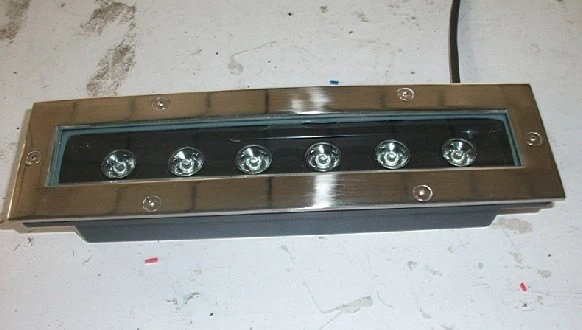

- Solar-Powered Decoration Landscape Lamp: These lamps are powered by solar energy, making them an environmentally friendly and cost-effective option for illuminating your outdoor space.
- Adjustable Lighting Sketch Lamp: These lamps allow you to adjust the lighting intensity and direction, giving you more control over the lighting effect.
- Waterproof Foot Lamp: These lamps are designed to be installed at ground level, providing a soft and subtle lighting effect that enhances the safety and aesthetics of your outdoor space.
Conclusion
In conclusion, connecting multiple weather-resistant underwater lamps together is a feasible and rewarding option for those looking to enhance the lighting of their water bodies. By considering the technical aspects, advantages, and precautions outlined in this blog post, you can ensure a safe and efficient installation that provides years of reliable service. If you have any questions or need further assistance, please don't hesitate to contact us. We're here to help you create the perfect lighting solution for your needs.
References
- Lighting Industry Association. (n.d.). Underwater Lighting Guidelines. Retrieved from [Website URL]
- National Electrical Code. (n.d.). Electrical Installation Requirements for Outdoor and Underwater Lighting. Retrieved from [Website URL]