Can a waterproof foot lamp be used in a water - filled cave - like structure?
As a supplier of waterproof foot lamps, I often encounter various inquiries from customers about the usage scenarios and capabilities of our products. One question that has come up frequently is whether a waterproof foot lamp can be used in a water - filled cave - like structure. In this blog, I will delve into this topic by considering multiple aspects such as the design features of waterproof foot lamps, the environmental characteristics of water - filled cave - like structures, and relevant safety and practicality factors.
Design Features of Waterproof Foot Lamps
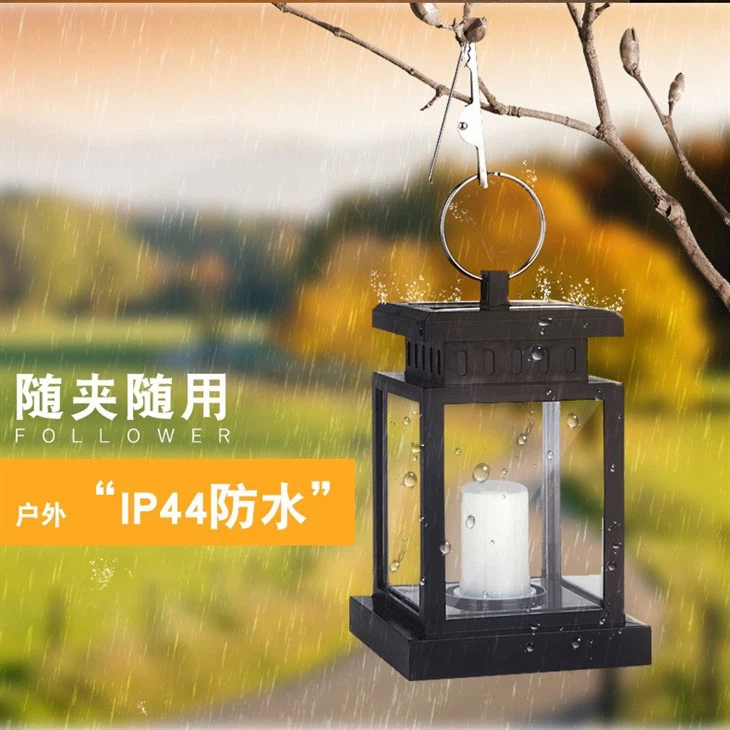
Waterproof foot lamps are specifically engineered to withstand exposure to water. They are constructed with high - quality waterproof materials and advanced sealing techniques. For example, the lamp housing is usually made of robust plastics or metals that are resistant to corrosion and water ingress. The joints and connections are carefully sealed with gaskets and O - rings to prevent water from seeping into the internal components.
Most of our waterproof foot lamps have an IP (Ingress Protection) rating, which is an international standard that indicates the degree of protection against solids and liquids. A common IP rating for waterproof foot lamps is IP67 or higher. An IP67 rating means that the lamp is completely protected against dust ingress (the first digit '6') and can be submerged in water up to 1 meter for 30 minutes without any harmful effects (the second digit '7').
These design features ensure that the lamp can function properly in wet environments. However, the question remains whether they can handle the unique conditions of a water - filled cave - like structure.
Environmental Characteristics of Water - Filled Cave - Like Structures
Water - filled cave - like structures present a set of distinct environmental challenges. Firstly, the water in these caves may contain various minerals, sediments, and microorganisms. The minerals can cause corrosion over time, especially if they are acidic or alkaline. Sediments can accumulate on the lamp surface, reducing its light output and potentially clogging any ventilation or drainage holes. Microorganisms may also grow on the lamp, which can affect its performance and longevity.
Secondly, the temperature and pressure in water - filled caves can vary significantly. Caves are often cooler than the outside environment, and the water temperature can be quite low. Extreme temperature changes can cause the materials in the lamp to expand or contract, potentially damaging the seals and internal components. Additionally, the water pressure increases with depth. If the lamp is placed deep in the cave, it needs to withstand higher pressure without any leakage or structural damage.
Safety Considerations
Safety is of utmost importance when using any electrical device in a wet environment. In a water - filled cave - like structure, the risk of electrical shock is a major concern. Our waterproof foot lamps are designed with safety in mind. They are equipped with proper grounding and insulation to minimize the risk of electrical leakage. However, it is crucial to ensure that the power supply is also properly protected. Using a waterproof power cable and a ground - fault circuit interrupter (GFCI) is highly recommended.
Another safety aspect is the stability of the lamp. In a cave environment, there may be water currents, rock movements, or other disturbances. The lamp should be securely installed to prevent it from being knocked over or dislodged, which could lead to damage or even pose a hazard to people in the area.
Practicality and Performance
From a practical perspective, using a waterproof foot lamp in a water - filled cave - like structure can have both advantages and limitations. On the positive side, the lamp can provide much - needed illumination in a dark and often dangerous environment. It can help explorers navigate through the cave, identify potential hazards, and enhance the overall safety of the exploration.
However, there are some limitations. As mentioned earlier, the accumulation of sediments and microorganisms can reduce the light output over time. This may require regular cleaning and maintenance of the lamp. Also, the limited battery life or power supply availability in a cave setting can be a challenge. If the lamp is battery - powered, it needs to have a long - lasting battery or be rechargeable in a convenient way. If it is connected to a power source, the power cable needs to be long enough and properly protected.
Case Studies and Real - World Experiences
There have been some cases where waterproof foot lamps have been used in water - filled cave - like structures. For example, in some cave exploration projects, explorers have installed our waterproof foot lamps along the cave walls or on the ground to provide continuous illumination. In most cases, the lamps have performed well, but they have also faced some challenges.
One explorer reported that after a few weeks of use in a cave with high sediment content, the lamp's light output had decreased significantly. Regular cleaning was required to restore its performance. Another user mentioned that the low water temperature in the cave affected the battery life of the lamp, reducing its operating time.

Conclusion and Recommendation
In conclusion, a waterproof foot lamp can be used in a water - filled cave - like structure, but it is essential to consider the specific environmental conditions and take appropriate precautions. Our waterproof foot lamps, with their high - quality design and robust construction, have the potential to function well in these challenging environments.
If you are planning to use our waterproof foot lamps in a water - filled cave - like structure, here are some recommendations:
- Choose a lamp with a high IP rating, preferably IP67 or higher.
- Ensure that the power supply is properly protected with a GFCI and a waterproof cable.
- Regularly clean the lamp to remove sediments and microorganisms.
- Consider the battery life and power supply availability in the cave setting.
- Securely install the lamp to prevent it from being damaged by water currents or rock movements.
We also offer a range of other landscape lamps that may be suitable for different applications. Check out our Energy Saving Landscape - Lamp For Garden, Ground Landscape - Lamp, and Motion Sensor Ground - Buried Landscape Lamp.
If you are interested in purchasing our waterproof foot lamps or have any further questions about their use in water - filled cave - like structures, we encourage you to contact us for a detailed discussion and procurement negotiation. We are committed to providing you with the best products and services to meet your needs.
References
- International Electrotechnical Commission (IEC). IEC 60529: Degrees of protection provided by enclosures (IP Code).
- Cave Exploration Research Institute. Annual report on cave exploration equipment performance.