

As a supplier of waterproof foot lamps, I often encounter questions from customers regarding the proper usage scenarios of our products. One of the most frequently asked questions is, "Can a waterproof foot lamp be used in a shower?" In this blog post, I'll delve into this query, exploring the technical aspects, safety considerations, and practical applications to provide a comprehensive answer.
Understanding Waterproof Foot Lamps
Before we discuss shower usage, it's essential to understand what a waterproof foot lamp is. A waterproof foot lamp is designed to resist water penetration, ensuring its functionality and safety in damp or wet environments. These lamps are typically sealed with special gaskets and made from materials that can withstand moisture, such as corrosion - resistant plastics or metals.
The level of waterproofing is often rated using the Ingress Protection (IP) code. For example, an IPX4 - rated foot lamp is protected against splashing water from any direction, while an IPX7 - rated lamp can be immersed in water up to 1 meter for 30 minutes without damage. Higher IP ratings indicate greater water resistance.
Technical Feasibility of Using in a Shower
From a technical perspective, a waterproof foot lamp with a high - enough IP rating can be used in a shower. If the lamp is rated IPX7 or higher, it should be able to handle the direct exposure to water in a shower environment. The lamp's internal components, such as the wiring and the light source, are protected from water ingress, preventing short - circuits and other electrical malfunctions.
However, it's not just about the IP rating. The design of the lamp also plays a crucial role. A well - designed waterproof foot lamp should have a smooth surface that allows water to run off easily, reducing the risk of water pooling and potential damage. Additionally, the materials used in the lamp should be resistant to the chemicals commonly found in shower products, such as soaps and shampoos, which could potentially corrode or damage the lamp over time.
Safety Considerations
Safety is of utmost importance when using any electrical device in a shower. Even though a waterproof foot lamp is designed to resist water, there are still potential risks.
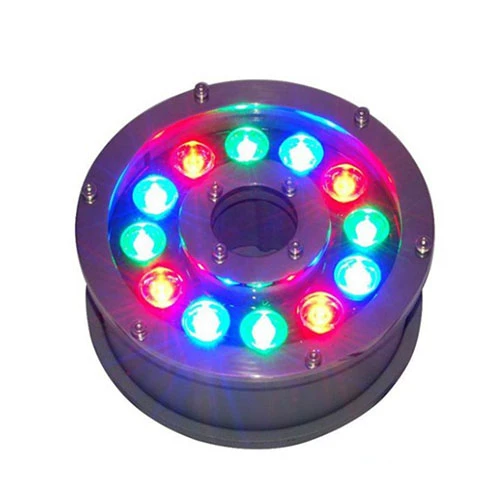

Firstly, the electrical connection of the lamp needs to be secure. A loose connection could lead to electrical arcing, which is not only dangerous but could also damage the lamp. It's recommended to have a professional electrician install the lamp to ensure proper wiring and grounding.
Secondly, the temperature and humidity in a shower can be extreme. High humidity can cause condensation inside the lamp, which might affect its performance over time. To mitigate this risk, some waterproof foot lamps are equipped with ventilation systems or anti - condensation features.
Lastly, the lamp should be regularly inspected for any signs of damage. Cracks in the casing, loose parts, or any visible water inside the lamp are all indications that the lamp may no longer be safe to use.
Practical Applications in the Shower
Using a waterproof foot lamp in the shower can have several practical benefits. It can enhance safety by providing better visibility, reducing the risk of slips and falls. For example, the soft glow of a foot lamp can help you see the edges of the shower floor and any obstacles.
It can also create a more relaxing and spa - like atmosphere. Imagine stepping into a warm shower with a gentle, ambient light illuminating your feet. This can add a touch of luxury to your daily shower routine.
Comparison with Other Waterproof Lighting Options
In addition to waterproof foot lamps, there are other waterproof lighting options available for shower use. For instance, the Induction Waterproof Wall Lamp can provide broader illumination in the shower area. It can be installed on the wall and is often equipped with motion sensors, which can be convenient for turning the light on and off.
The Die - Casting Aluminum Landscape - Lamp is another option. Made from die - casting aluminum, it is durable and can withstand the harsh shower environment. It can be used as a decorative element in the shower, adding a unique aesthetic.
The Weather - Resistant Underwater Lamp is also suitable for shower use. It is designed to be submerged in water and can create a beautiful underwater lighting effect, which can transform the shower into a more visually appealing space.
Maintenance and Longevity
To ensure the longevity of a waterproof foot lamp used in the shower, proper maintenance is required. After each use, it's a good idea to wipe the lamp dry to remove any water and soap residue. This can prevent the buildup of dirt and grime, which could potentially affect the lamp's performance.
Periodically, the lamp should be checked for any signs of wear and tear. If any parts are damaged, they should be replaced promptly. It's also important to follow the manufacturer's instructions regarding maintenance and cleaning to avoid voiding the warranty.
Conclusion and Call to Action
In conclusion, a waterproof foot lamp with a high - enough IP rating can be safely used in a shower, provided that proper safety measures are taken. It offers both practical benefits, such as improved safety and visibility, and aesthetic benefits, such as creating a relaxing atmosphere.
If you're interested in purchasing a waterproof foot lamp or any of our other waterproof lighting products, we invite you to contact us for a detailed discussion. Our team of experts can provide you with more information about the products, including their features, specifications, and pricing. We are committed to providing high - quality, reliable lighting solutions for your needs. Whether it's for a residential shower or a commercial bathroom, we have the right product for you. Start your journey to a better - lit shower today by reaching out to us for a procurement discussion.
References
- "Electrical Safety in Wet Environments" - National Electrical Code Handbook
- "Understanding IP Ratings for Lighting Products" - Lighting Industry Association
- "Materials and Design Considerations for Waterproof Lighting" - Journal of Lighting Technology


