When it comes to outdoor landscape lighting, solar-powered options have gained significant popularity in recent years. They offer an eco-friendly and cost-effective way to illuminate gardens, pathways, and other outdoor spaces. One common question that often arises is, "Are solar outdoor landscape lamps heavy?" In this blog post, I'll delve into this question and provide some insights based on my experience as a solar outdoor landscape lamp supplier.
Factors Affecting the Weight of Solar Outdoor Landscape Lamps
The weight of solar outdoor landscape lamps can vary significantly depending on several factors. Let's take a closer look at these factors:
1. Size and Design
Larger lamps generally tend to be heavier than smaller ones. For example, a large, elaborate solar spotlight designed to illuminate a large tree or a building facade will likely be heavier than a small, discreet solar path light. The design of the lamp also plays a role. Lamps with complex structures, multiple components, or decorative elements may add to the overall weight.
2. Material
The materials used in the construction of the lamp have a major impact on its weight. Common materials for solar outdoor landscape lamps include plastic, metal, and glass. Plastic lamps are usually the lightest, making them easy to install and move around. Metal lamps, such as those made of aluminum or stainless steel, are more durable but can be heavier. Glass components, if used for the lens or housing, can also contribute to the weight.
3. Battery and Solar Panel
The battery and solar panel are essential components of solar outdoor landscape lamps. The size and capacity of the battery can affect the weight. Larger batteries with higher capacities are typically heavier. Similarly, the size and type of the solar panel can also add to the weight. High-efficiency solar panels may be larger and heavier than standard ones.
Examples of Different Types of Solar Outdoor Landscape Lamps and Their Weights
To give you a better idea of the weight range, let's look at some specific types of solar outdoor landscape lamps:
Solar Path Lights
These are small, low-profile lamps that are commonly used to line pathways. They are usually made of plastic and are relatively lightweight. On average, a single solar path light may weigh between 0.5 to 1.5 pounds. Their light weight makes them easy to install along the edges of a path or in a garden bed.
Solar Spotlights
Solar spotlights are designed to highlight specific features in the landscape, such as plants, statues, or architectural elements. They are typically larger and more powerful than path lights. Depending on the size and the materials used, solar spotlights can weigh anywhere from 2 to 5 pounds. Some high-end models with larger batteries and more advanced features may even be heavier.
Solar Wall Lights
Solar wall lights are installed on walls or fences to provide ambient lighting. They come in various sizes and designs. Smaller solar wall lights may weigh around 1 to 2 pounds, while larger, more elaborate models can weigh up to 4 or 5 pounds. The weight can also vary depending on whether the lamp has a built-in battery or requires an external power source.
Why Weight Matters in Solar Outdoor Landscape Lamps
The weight of solar outdoor landscape lamps can have several implications:
Installation
Lighter lamps are generally easier to install. They can be quickly and easily placed in the desired location without the need for heavy tools or equipment. This is especially important for DIY enthusiasts who want to set up their outdoor lighting without professional help.
Stability
On the other hand, heavier lamps can provide more stability, especially in areas with high winds or heavy rain. A lamp that is too light may be easily knocked over or blown away, which can damage the lamp and pose a safety hazard.
Portability
If you plan to move your outdoor lighting around from time to time, lighter lamps are more convenient. You can easily relocate them to different areas of your garden or take them with you if you move to a new home.
Our Product Range and Weights
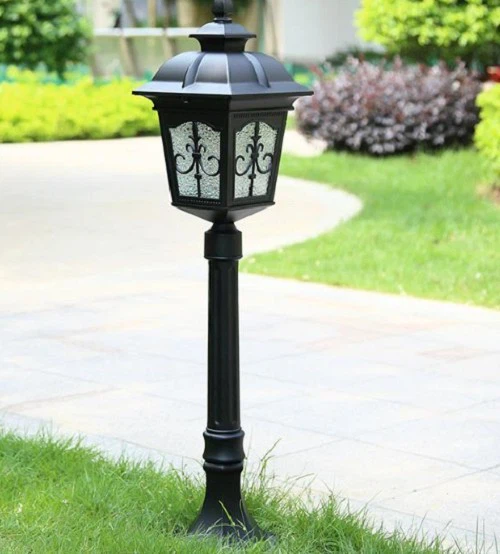
As a solar outdoor landscape lamp supplier, we offer a wide range of products to meet different needs and preferences. Our Low-Maintenance Lighting Sketch Lamp is a lightweight and stylish option that is perfect for adding a touch of elegance to your garden. It weighs only about 1 pound, making it easy to install and move around.
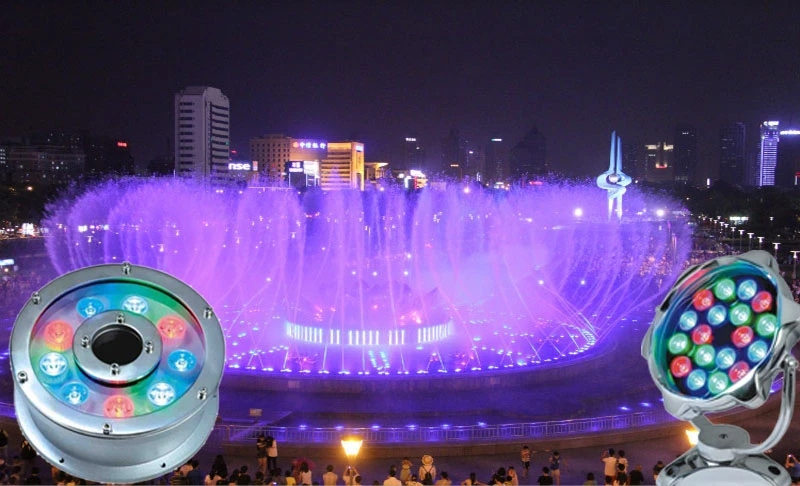
Our Low-Voltage Outdoor Underwater Lamp is designed for use in ponds, fountains, or other water features. Despite its waterproof design and high-quality construction, it is surprisingly lightweight, weighing around 2 pounds.
For those who need a more powerful and durable lighting solution, our Programmable Ground-Buried Landscape Lamp is a great choice. It is made of high-quality metal and has a larger battery and solar panel, which results in a weight of approximately 3 pounds. However, its stability and performance make it well worth the slightly higher weight.
Conclusion and Call to Action
In conclusion, the weight of solar outdoor landscape lamps can vary depending on factors such as size, design, material, battery, and solar panel. While lighter lamps are easier to install and more portable, heavier lamps can offer greater stability. At our company, we understand the importance of providing a variety of options to meet the diverse needs of our customers.
If you're interested in purchasing solar outdoor landscape lamps for your outdoor space, we invite you to explore our product range. Our team of experts is ready to assist you in choosing the right lamps for your specific requirements. Whether you need a light and portable option or a heavy and stable one, we have the perfect solution for you. Contact us today to start the procurement negotiation process and transform your outdoor landscape with beautiful and energy-efficient lighting.
References
- "Solar Lighting for Outdoor Landscapes," Journal of Landscape Architecture, Vol. XX, Issue YY
- "The Impact of Material Selection on the Weight and Performance of Solar Outdoor Lamps," International Journal of Sustainable Energy, Vol. AA, Issue BB