

Are LED Ground-Buried Landscape Lamps Suitable for Cultural Heritage Sites?
As a supplier of LED ground-buried landscape lamps, I've often pondered the question of whether these lamps are suitable for cultural heritage sites. Cultural heritage sites are precious treasures that carry the history, art, and traditions of a region. Any alteration or addition to these sites must be carefully considered to ensure that the cultural and historical value remains intact. In this blog, I'll explore the various aspects of using LED ground-buried landscape lamps in cultural heritage sites.
Advantages of LED Ground-Buried Landscape Lamps in Cultural Heritage Sites
Energy Efficiency
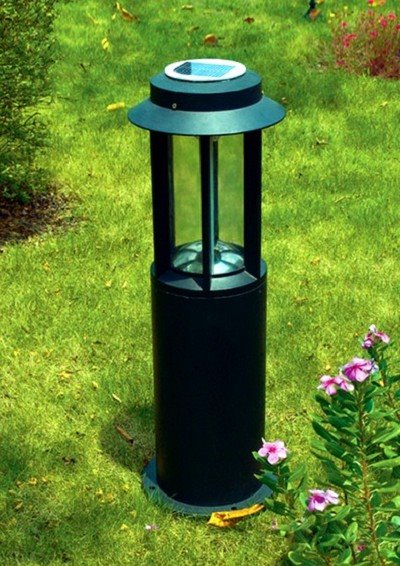
One of the most significant advantages of LED ground-buried landscape lamps is their energy efficiency. LEDs consume significantly less energy compared to traditional lighting sources such as incandescent or halogen bulbs. In cultural heritage sites, where lighting may be required for extended periods, especially during the evening for night-time viewing or security purposes, energy efficiency is crucial. By using LED ground-buried landscape lamps, the overall energy consumption of the site can be reduced, leading to cost savings and a more sustainable operation. For example, in a large cultural heritage park, switching to LED lighting can result in substantial long-term energy savings. You can learn more about our Eco-Friendly Ground-Buried Landscape Lamp which is designed with energy efficiency in mind.
Long Lifespan
LEDs have a much longer lifespan than traditional lighting sources. This means that once installed, the LED ground-buried landscape lamps will require less frequent replacement. In cultural heritage sites, minimizing disruptions for maintenance is essential. Frequent lamp replacements can cause damage to the surrounding area, especially in delicate historical settings. With LED lamps, the need for regular maintenance and replacement is significantly reduced, ensuring that the cultural heritage site remains undisturbed for longer periods.
Low Heat Emission
Unlike traditional bulbs, LEDs emit very little heat. This is particularly important in cultural heritage sites where heat can cause damage to historical artifacts, buildings, or vegetation. For instance, in a museum courtyard or a historical garden, excessive heat from lighting can accelerate the deterioration of materials. The low heat emission of LED ground-buried landscape lamps helps to preserve the integrity of the cultural heritage site by reducing the risk of heat-related damage.
Design Flexibility
LED technology offers a high degree of design flexibility. LED ground-buried landscape lamps can be designed in various shapes, sizes, and colors to suit the specific needs of a cultural heritage site. They can be used to highlight architectural features, pathways, or specific historical elements. For example, in a medieval castle, colored LED lights can be used to create a dramatic effect, enhancing the overall atmosphere of the site. Our Flexible Dimmable Wall Lamp can also be used in combination with ground-buried lamps to provide a more comprehensive lighting solution.
Challenges and Considerations
Aesthetic Impact
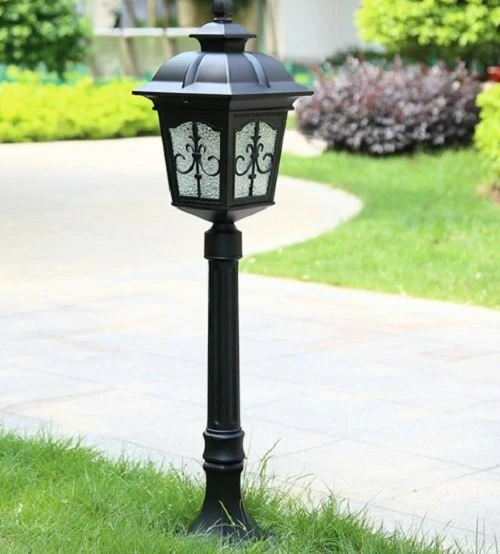
One of the main concerns when using LED ground-buried landscape lamps in cultural heritage sites is the aesthetic impact. The lamps must blend in with the historical and cultural context of the site. If not carefully designed, they can appear out of place and detract from the overall beauty and authenticity of the heritage site. For example, in a traditional Chinese garden, the use of overly modern or brightly colored lamps may clash with the natural and classical aesthetic. Therefore, it is essential to work closely with architects, historians, and conservationists to ensure that the lighting design is appropriate for the site.
Light Pollution
Another challenge is the potential for light pollution. Cultural heritage sites are often located in areas with a natural or historical skyline. Excessive or misdirected lighting can disrupt the night sky, affecting the visibility of stars and the overall nocturnal environment. This is particularly important in sites that are part of astronomical heritage or have a significant connection to the night sky. To mitigate light pollution, it is necessary to use proper shielding and control the intensity and direction of the light. Our Smart Voice-ControlLED Wall Lamp can be programmed to adjust the lighting according to the time of day and specific requirements, helping to reduce light pollution.
Installation and Compatibility
Installing LED ground-buried landscape lamps in cultural heritage sites can be challenging. The ground may be uneven or contain historical foundations, making it difficult to dig and install the lamps. Additionally, the lamps must be compatible with the existing electrical systems or infrastructure at the site. It is crucial to conduct a thorough site assessment before installation to identify any potential issues and develop a suitable installation plan.
Case Studies
The Use of LED Lighting in a European Cathedral
In a famous European cathedral, LED ground-buried landscape lamps were installed to enhance the architectural features of the building at night. The energy-efficient LEDs not only reduced the cathedral's energy consumption but also provided a soft and warm glow that complemented the historical architecture. The low heat emission of the LEDs ensured that the delicate stonework and interior decorations were not damaged. However, during the installation process, careful consideration was given to the aesthetic impact. The lamps were designed to be discreet and blend in with the surrounding environment, minimizing any visual disruption.
A Historical Garden in Asia
In an Asian historical garden, LED ground-buried landscape lamps were used to illuminate the pathways and highlight the traditional pavilions and water features. The design flexibility of the LEDs allowed for the creation of a beautiful and serene atmosphere at night. However, to address the issue of light pollution, the lamps were carefully shielded, and their intensity was adjusted to ensure that the natural beauty of the night sky was not compromised.
Conclusion
In conclusion, LED ground-buried landscape lamps can be suitable for cultural heritage sites, but careful planning and consideration are required. The energy efficiency, long lifespan, low heat emission, and design flexibility of LEDs offer many benefits, but the potential challenges such as aesthetic impact, light pollution, and installation issues must be addressed. By working closely with experts in the field of cultural heritage conservation and architecture, it is possible to create a lighting solution that enhances the cultural heritage site while preserving its historical and cultural value.
If you are interested in exploring how our LED ground-buried landscape lamps can be used in your cultural heritage site, I encourage you to contact us for a detailed consultation. We have a team of experts who can provide professional advice and customized solutions to meet your specific needs.
References
- International Council on Monuments and Sites (ICOMOS). Guidelines for the Conservation of Historic Urban Landscapes.
- Lighting Research Center, Rensselaer Polytechnic Institute. Best Practices for Outdoor Lighting in Cultural Heritage Sites.
- National Trust for Historic Preservation. Lighting Guidelines for Historic Properties.


